

Why You Feel Overwhelmed So Easily (And It’s Not What You Think)
Introduction
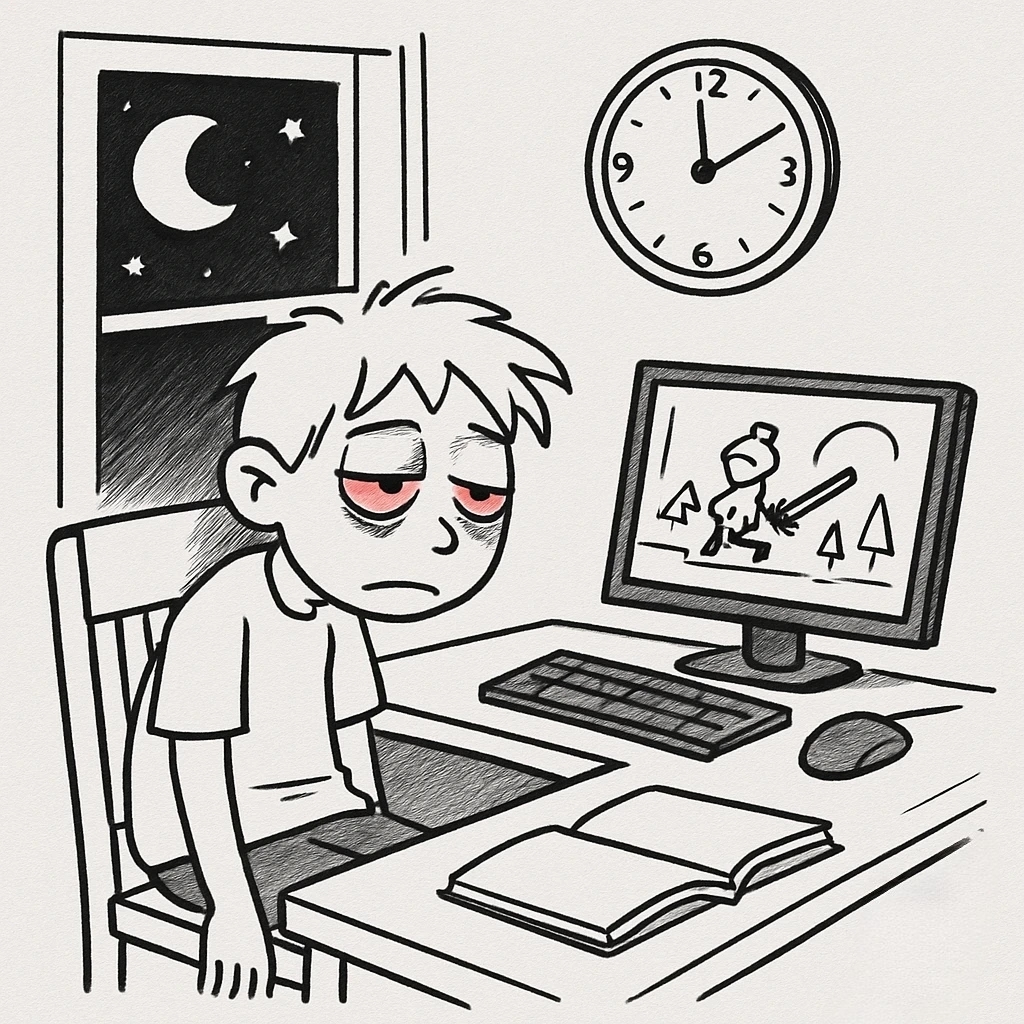
You wake up already tired. Your to-do list looks manageable—yet somehow, by midday, you feel mentally drained, emotionally stretched, and unable to focus. Small decisions feel heavy. Notifications feel intrusive. Even simple tasks begin to pile up like an invisible weight pressing down on your mind.
If this sounds familiar, you’re not alone.
But here’s the surprising truth: feeling overwhelmed isn’t just about having “too much to do.” In fact, many people with relatively light workloads still feel deeply overwhelmed, while others juggling far more responsibilities remain calm and in control.
So what’s really going on?
This article uncovers the hidden psychological, neurological, and lifestyle factors behind overwhelm—and why the real cause is often something you’ve never considered. More importantly, you’ll learn how to regain clarity, energy, and control in a world that constantly demands your attention.
What Does “Overwhelmed” Really Mean?
Before solving the problem, we need to define it properly.
The True Definition of Overwhelm
Feeling overwhelmed is not just stress. It’s a state where your perceived demands exceed your perceived ability to cope.
This distinction matters.
Stress = Pressure with some sense of control
Overwhelm = Pressure + Loss of control
When overwhelm hits, your brain shifts into a protective mode. It prioritizes survival over logic, clarity, or productivity.
Common Signs You’re Overwhelmed
Difficulty concentrating
Procrastination or avoidance
Irritability or emotional sensitivity
Mental fatigue despite little physical effort
Feeling “frozen” or unable to start tasks
Constant low-level anxiety
These aren’t signs of weakness—they’re signals from your brain.
The Biggest Myth: “You’re Just Too Busy”
Most people believe overwhelm is caused by:
Too many tasks
Poor time management
Lack of discipline
But this is only partially true.
Why This Belief Is Misleading
You can be busy without feeling overwhelmed—and overwhelmed without being busy.
Consider this:
A parent managing a household may feel calm and capable
A student with minimal workload may feel paralyzed
The difference isn’t the workload—it’s how the brain processes it.
The Real Causes of Overwhelm (That No One Talks About)

Let’s break down the hidden drivers behind that heavy, suffocating feeling.
1. Cognitive Overload: Too Much Input, Not Just Output
Your brain isn’t designed to process endless streams of information.
The Modern Reality
Every day, you are exposed to:
Notifications
Emails
Social media
News updates
Conversations
Decisions
Even when you’re not “doing” much, your brain is constantly working.
Why This Matters
Your brain has a limited processing capacity. When it’s exceeded:
Focus drops
Decision-making slows
Emotional regulation weakens
This creates the perfect conditions for overwhelm.
Key Insight
You’re not overwhelmed because you’re doing too much—you’re overwhelmed because you’re processing too much.
2. Decision Fatigue: The Silent Energy Drain
Every decision you make uses mental energy.
Daily Decision Load
From morning to night, you decide:
What to wear
What to eat
What to prioritize
How to respond to messages
Whether to rest or push forward
These small decisions accumulate.
The Result
By the time you face important tasks, your brain is already exhausted.
This leads to:
Indecision
Avoidance
Mental shutdown
Bullet Summary
More decisions = Less mental energy
Less energy = Higher overwhelm
Higher overwhelm = Lower productivity
3. Emotional Backlog: Unprocessed Feelings
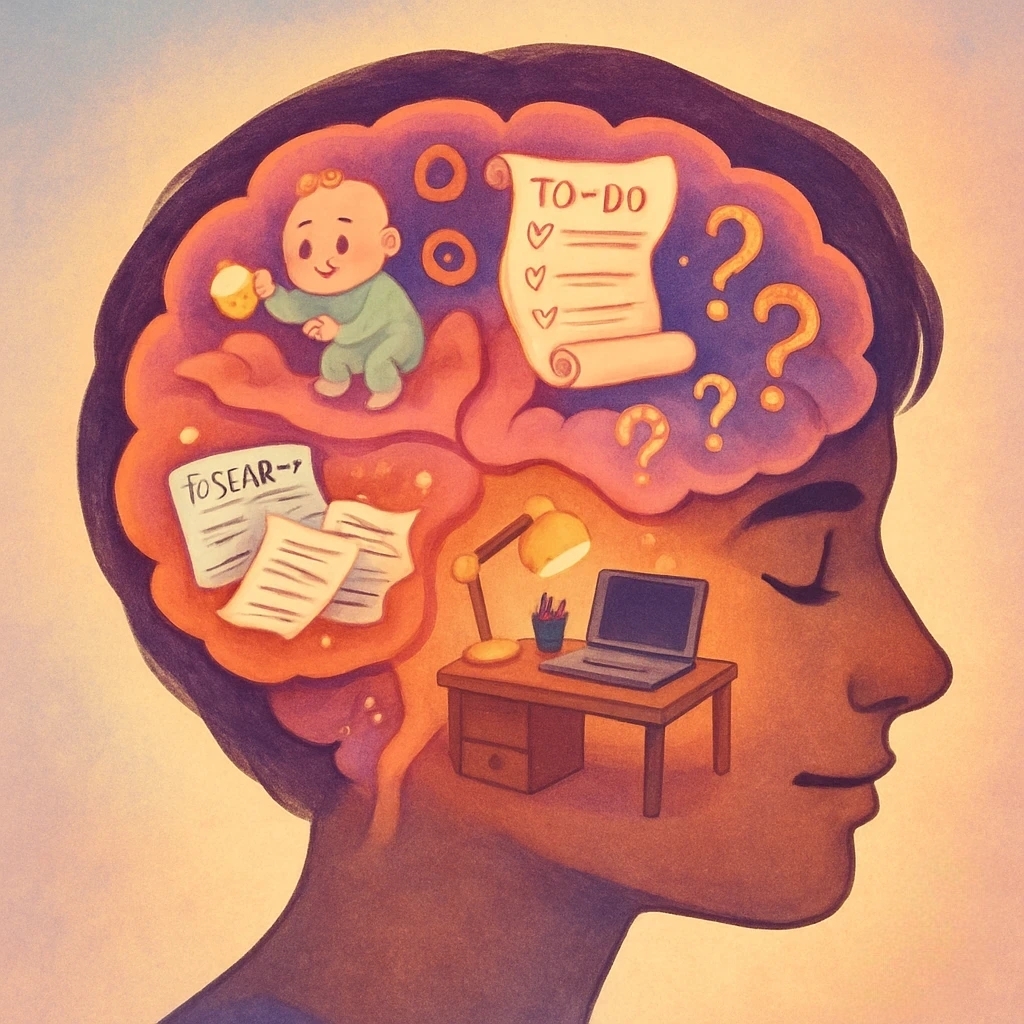
Not all overwhelm is mental—some of it is emotional.
What Is Emotional Backlog?
It’s the buildup of:
Unresolved stress
Suppressed emotions
Lingering worries
Unfinished conversations
These don’t disappear—they stay in your nervous system.
How It Creates Overwhelm
Even if your schedule is light, your emotional load may be heavy.
This leads to:
Sudden irritability
Mental fog
Low tolerance for stress
Important Truth
You can’t think clearly when your emotions are crowded.
4. The Illusion of Urgency
Not everything that feels urgent actually is.
The Problem
Modern systems (apps, work culture, social expectations) are designed to create urgency:
“Reply now”
“Limited time”
“Don’t miss out”
Your brain reacts as if everything is critical.
The Consequence
You end up:
Prioritizing noise over importance
Reacting instead of planning
Feeling constantly behind
Bullet Points
Urgency hijacks attention
Attention fragmentation increases overwhelm
Lack of prioritization fuels anxiety
5. Lack of Mental Boundaries
Your mind is always “on.”
What This Looks Like
Thinking about work during rest
Checking messages during meals
Planning tasks while trying to sleep
Your brain never gets a full break.
Why It Matters
Without boundaries:
Recovery doesn’t happen
Stress accumulates
Overwhelm becomes constant
6. Perfectionism Disguised as Productivity
Many overwhelmed people are actually high performers.
The Hidden Trap
You may believe:
Everything must be done perfectly
Mistakes are unacceptable
You must always be “on top of things”
This creates internal pressure.
The Outcome
Tasks feel heavier than they are
Starting becomes harder
Completion feels unsatisfying
Key Insight
Perfectionism doesn’t improve performance—it amplifies overwhelm.
7. Lack of Clarity, Not Lack of Time

Sometimes, the problem isn’t how much you have to do—it’s not knowing where to start.
What Happens Without Clarity
Tasks feel bigger than they are
You jump between activities
Progress feels invisible
This creates mental friction.
Why This Leads to Overwhelm
Your brain prefers clear, defined actions. Without them, it resists.
The Neuroscience Behind Overwhelm
Understanding your brain helps you stop blaming yourself.
The Role of the Brain’s Threat System
When overwhelmed, your brain activates a survival response:
Fight
Flight
Freeze
Most people experience freeze:
Inability to act
Mental shutdown
Avoidance
Why This Happens
Your brain perceives overload as a threat—even if it’s just emails or tasks.
Why Some People Get Overwhelmed More Easily
Not everyone reacts the same way.
Factors That Increase Sensitivity
High empathy
Overthinking tendencies
Lack of rest
Chronic stress
Multitasking habits
Personality Traits Linked to Overwhelm
People-pleasers
Perfectionists
Highly conscientious individuals
These traits are strengths—but without balance, they become burdens.
How to Break the Cycle of Overwhelm
Now that you understand the real causes, let’s focus on solutions that actually work.
1. Reduce Input Before Increasing Output
Stop trying to do more. Start by processing less.
Practical Steps
Turn off non-essential notifications
Limit social media exposure
Schedule “no-input” time
Result
Clearer thinking
Lower mental load
Improved focus
2. Simplify Your Decisions
Reduce the number of choices you make daily.
Examples
Plan meals in advance
Create a simple daily routine
Use default options for repetitive tasks
Benefit
More energy for important decisions.
3. Externalize Your Thoughts
Get everything out of your head.
Methods
Write a brain dump
Use a to-do list
Break tasks into small steps
Why It Works
Your brain relaxes when it doesn’t have to remember everything.
4. Create Clear Priorities
Not all tasks matter equally.
Use This Simple Rule
Ask:
“What actually moves my life forward today?”
Focus on 1–3 key tasks.
5. Allow Imperfection
Shift your mindset from perfect to done.
Replace This Thought
“It must be perfect”
With This
“It just needs to be complete”
This reduces resistance and speeds up action.
6. Schedule Mental Recovery Time
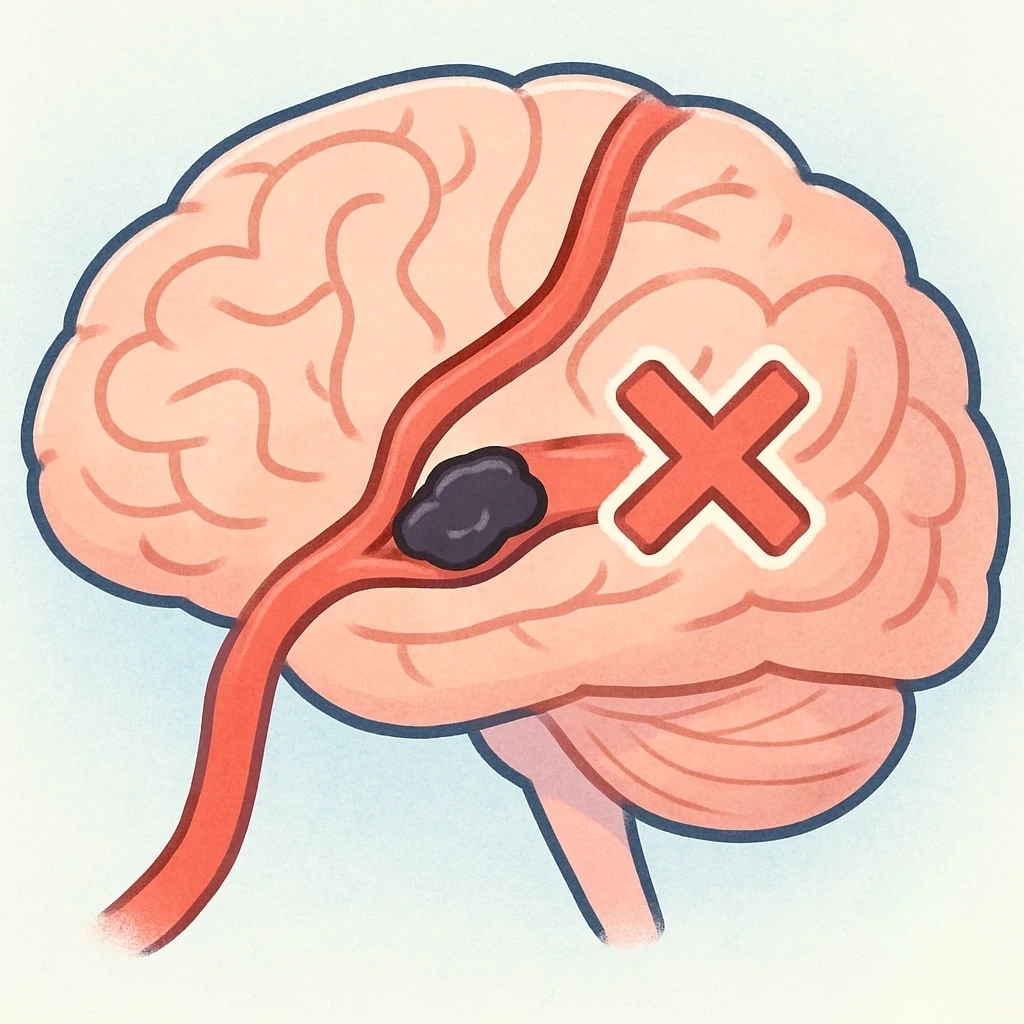
Rest is not optional—it’s essential.
Types of Recovery
Quiet time (no screens)
Walking without distractions
Deep breathing
Important Note
Scrolling is not rest. It’s more input.
7. Process Your Emotions
Don’t ignore how you feel.
Simple Practices
Journaling
Talking to someone
Reflecting without judgment
Outcome
Less internal pressure, more mental clarity.
8. Build Strong Boundaries
Train your brain to switch off.
Examples
No work after a certain hour
No phone during meals
Dedicated rest periods
Result
True recovery and reduced overwhelm.
A Simple Daily Anti-Overwhelm Framework
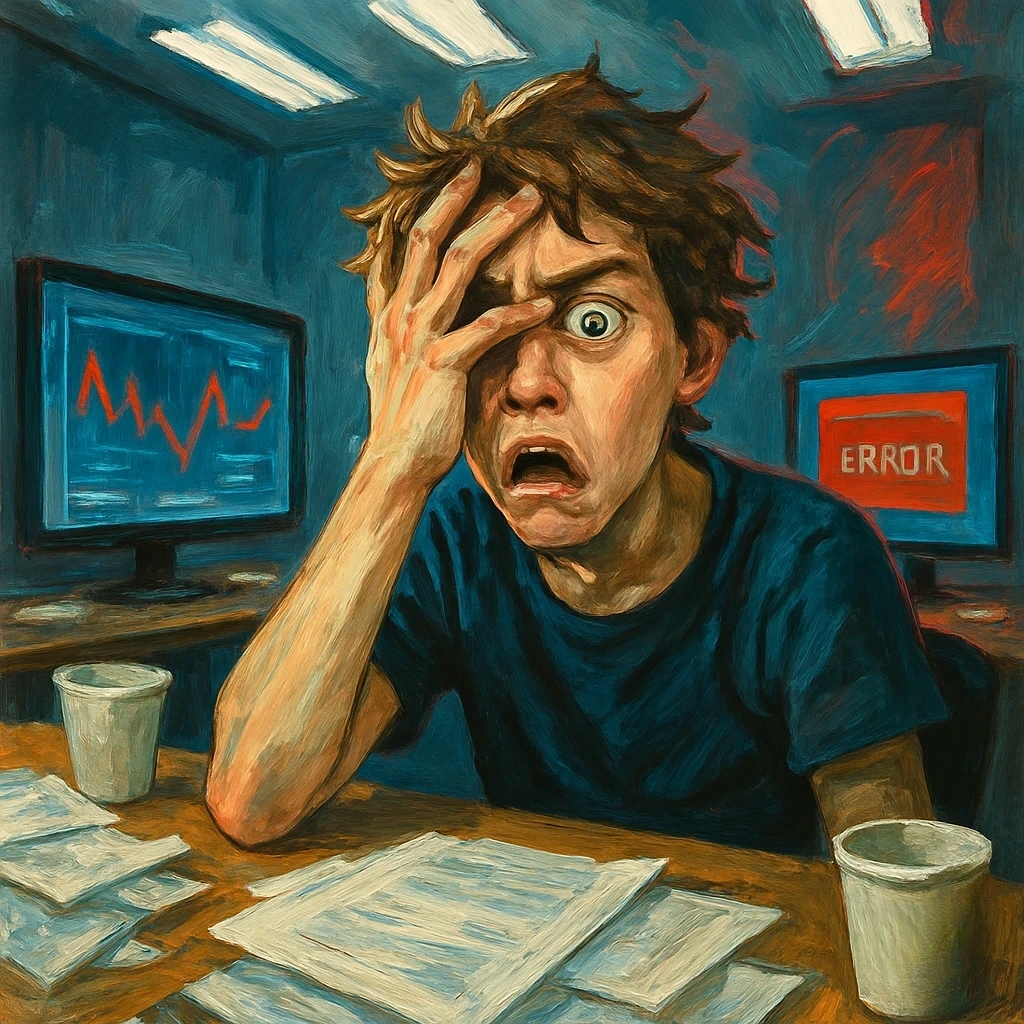
Use this structure to stay balanced.
Morning
Identify top 3 priorities
Avoid early digital overload
Midday
Take a mental break
Reassess tasks
Evening
Reflect on progress
Disconnect from work
Conclusion
Feeling overwhelmed isn’t a personal failure—it’s a signal.
A signal that your brain is overloaded, your emotions are crowded, or your environment is demanding more than it should.
The real solution isn’t to push harder or become more productive. It’s to reduce the invisible load that’s draining your mental energy.
When you understand the true causes—cognitive overload, decision fatigue, emotional backlog, and lack of boundaries—you gain something powerful:
Control.
And with control comes clarity, calm, and the ability to move forward—one focused step at a time.
Frequently Asked Questions (FAQs)
1. Why do I feel overwhelmed even when I have nothing to do?
Because overwhelm is often caused by mental and emotional load, not physical tasks. Your brain may still be processing unresolved thoughts or stress.
2. Is overwhelm a sign of weakness?
No. It’s a natural response to overload. In many cases, it indicates that your brain is trying to protect you.
3. Can overthinking cause overwhelm?
Yes. Overthinking increases cognitive load, making even small tasks feel heavy and difficult.
4. How quickly can I recover from overwhelm?
It depends on the cause. Reducing input and creating clarity can provide relief within hours, while deeper emotional factors may take longer.
5. Does multitasking make overwhelm worse?
Absolutely. Multitasking splits attention and increases mental fatigue, leading to faster overwhelm.
6. What is the fastest way to calm overwhelm?
Pause
Breathe deeply
Write down everything on your mind
Focus on one small task


You must be logged in to post a comment.