
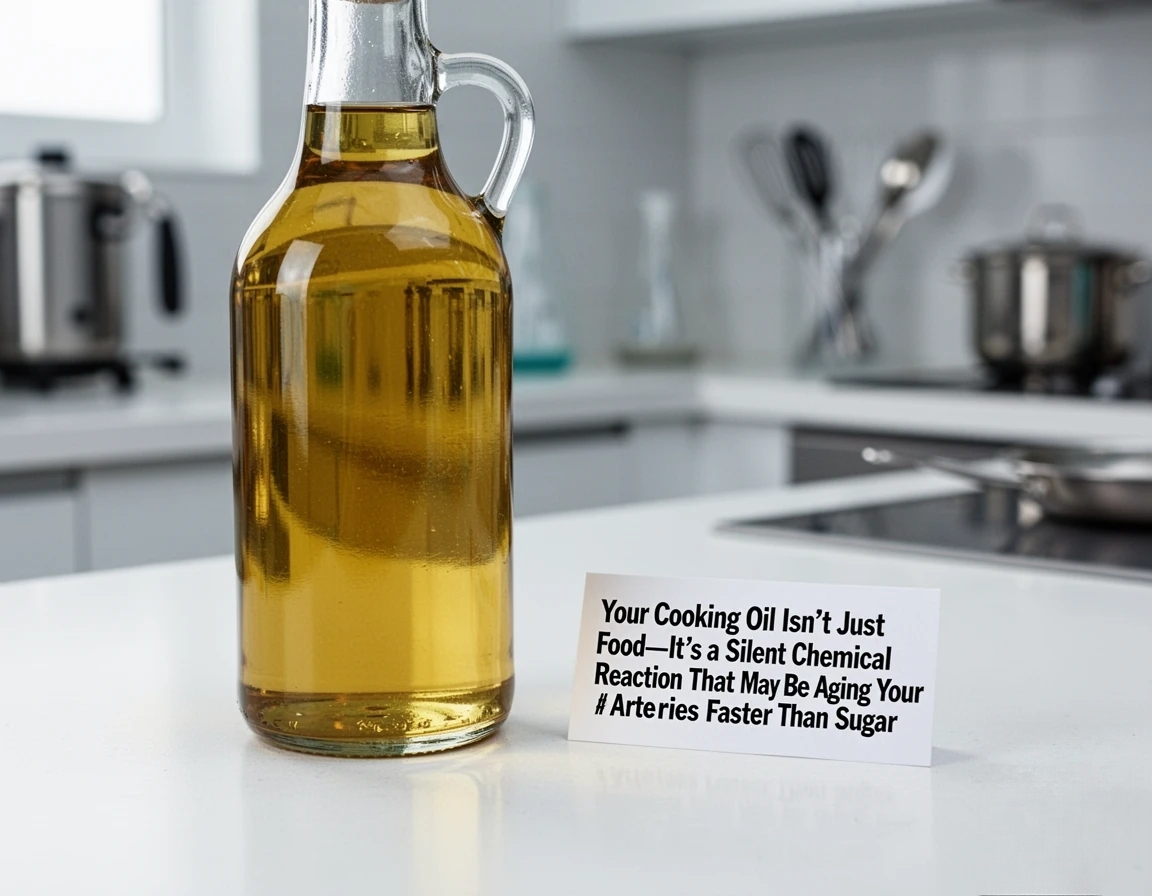
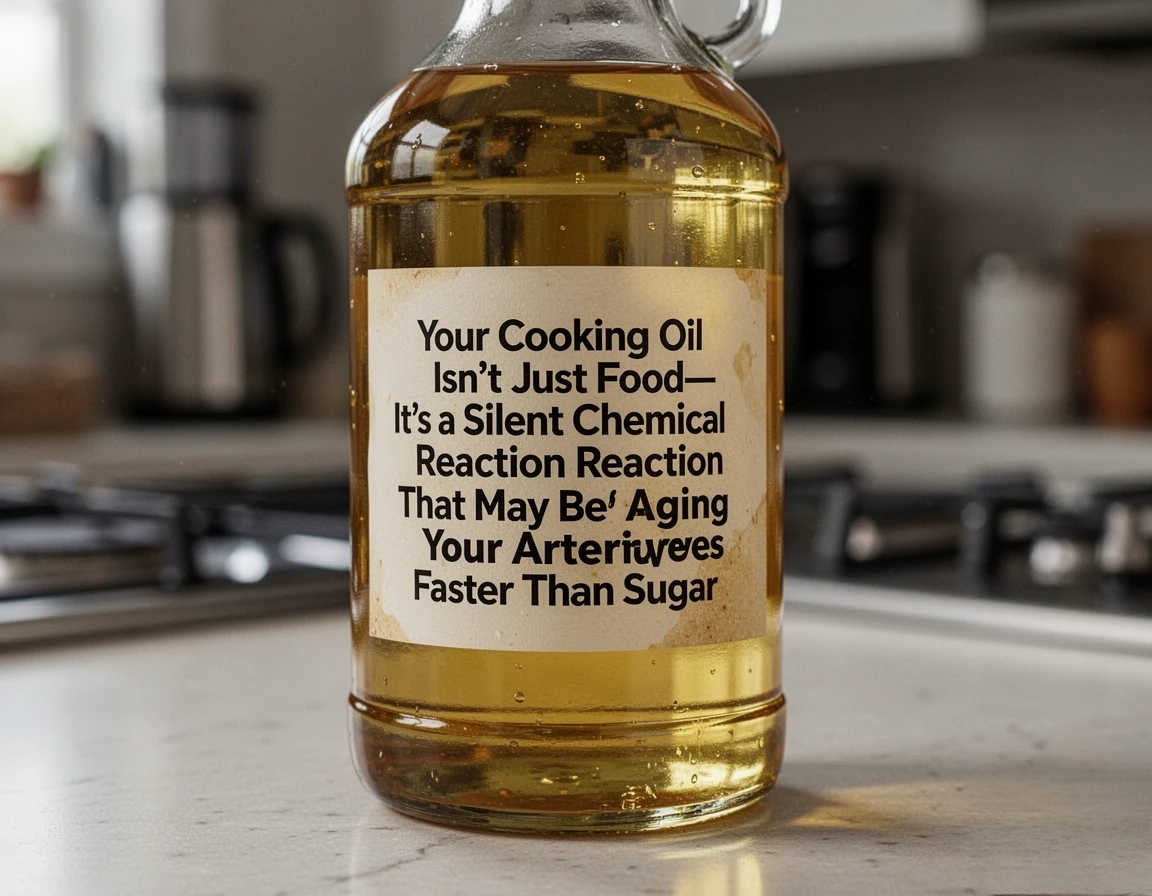
Your Cooking Oil Isn’t Just Food—It’s a Silent Chemical Reaction That May Be Aging Your Arteries Faster Than Sugar
Introduction
Most people worry about sugar when it comes to heart health. But what if the real threat is sitting quietly in your kitchen—hidden in plain sight?
Cooking oil is often seen as a harmless, even essential, part of daily meals. From frying eggs to preparing curries, it plays a central role in how we eat. However, emerging research suggests that certain cooking oils, especially when heated repeatedly or used improperly, can trigger harmful chemical reactions inside your body.
These reactions may accelerate arterial aging, promote inflammation, and increase the risk of heart disease—sometimes even more aggressively than sugar.
This article explores the science behind cooking oils, how they behave under heat, and why your everyday cooking habits might be silently affecting your long-term health.
Understanding Cooking Oils—More Than Just Fat
What Are Cooking Oils Made Of?
Cooking oils are composed primarily of fats, which are made up of fatty acids. These fatty acids fall into three main categories:
Saturated fats – stable but linked to cholesterol issues
Monounsaturated fats (MUFA) – considered heart-healthy
Polyunsaturated fats (PUFA) – delicate and prone to oxidation
Each type reacts differently when exposed to heat, oxygen, and light.
Why Stability Matters in Cooking
When oils are heated, especially at high temperatures, their molecular structure can break down. This leads to:
Oxidation
Formation of free radicals
Production of toxic byproducts
Unstable oils—particularly those high in polyunsaturated fats—are more likely to degrade under heat.
The Hidden Chemical Reactions in Your Pan
What Happens When Oil Heats Up?
Heating oil isn’t just a physical change—it’s a chemical transformation.
When oil reaches high temperatures:
Fatty acids begin to oxidize
Harmful compounds like aldehydes are formed
Nutritional value decreases
Toxic substances increase
These byproducts don’t just stay in the pan—they enter your food and eventually your body.
The Danger of Repeated Heating
Reusing cooking oil, a common practice in many households, worsens the problem:
Each heating cycle increases toxicity
More free radicals are generated
Oil becomes thicker and darker (a sign of degradation)
Key Risk: Reheated oils are strongly linked to oxidative stress in the body.
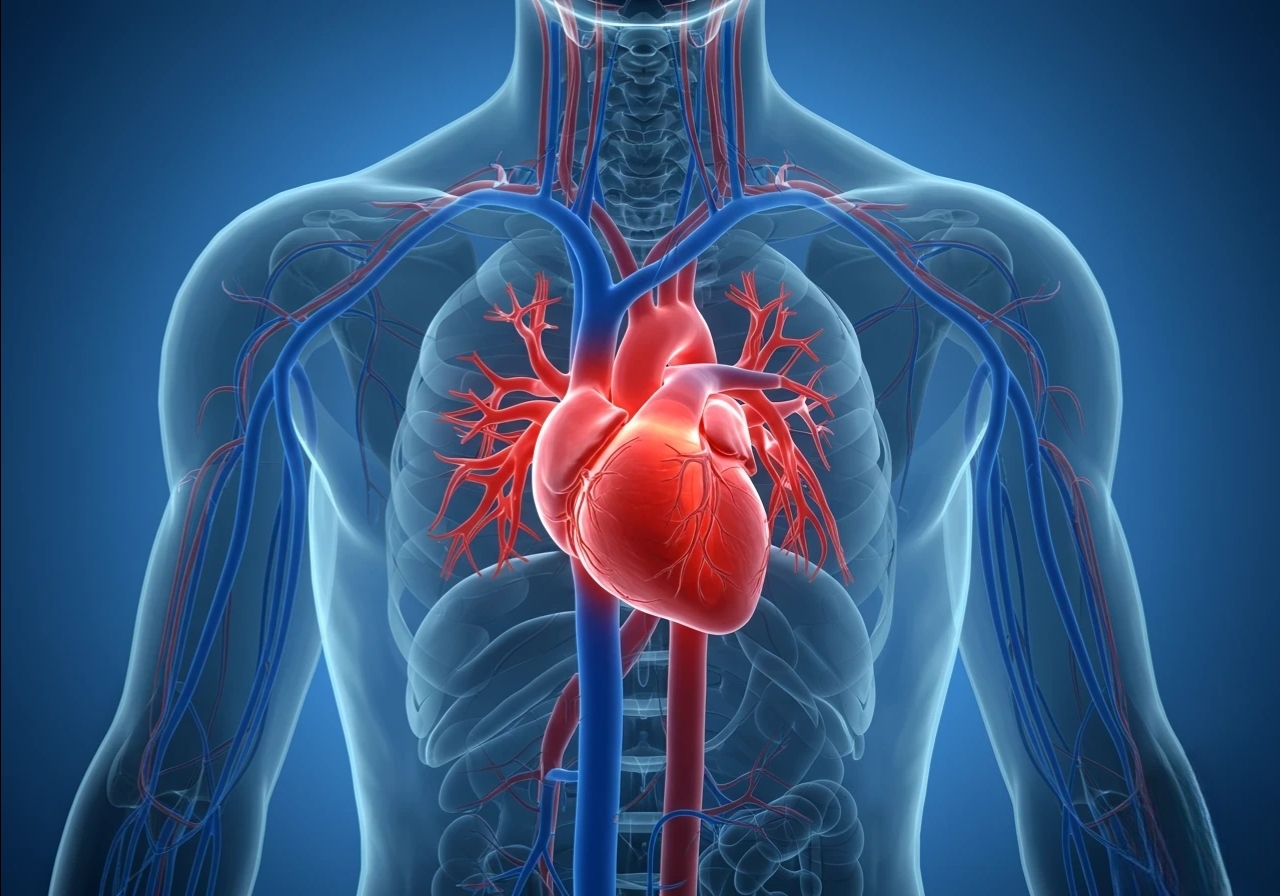
How Cooking Oils Affect Your Arteries
Oxidative Stress and Arterial Damage
Oxidative stress occurs when there’s an imbalance between free radicals and antioxidants in the body.
Damaged oils contribute to:
Inflammation of blood vessels
Hardening of arteries (atherosclerosis)
Reduced elasticity of arterial walls
Over time, this can lead to serious cardiovascular issues.
Why This May Be Worse Than Sugar
Sugar has long been blamed for heart disease, but degraded oils may be equally—or more—dangerous because:
They directly damage cell membranes
They trigger chronic inflammation
They affect cholesterol behavior
Unlike sugar, which the body can process to some extent, oxidized fats create compounds the body struggles to eliminate.
Common Cooking Oils—Which Ones Are Risky?
Oils That Break Down Easily
These oils are high in polyunsaturated fats and are less stable:
Sunflower oil
Corn oil
Soybean oil
Canola oil
When heated at high temperatures, they are more likely to produce harmful compounds.
Oils That Are More Heat-Stable
These oils are better suited for cooking due to their stability:
Olive oil (especially extra virgin for low to medium heat)
Coconut oil
Avocado oil
Ghee (clarified butter)
They contain more stable fats and resist oxidation better.
The Role of Temperature—Smoke Point Matters
What Is Smoke Point?
The smoke point is the temperature at which oil starts to burn and produce visible smoke.
At this stage:
Toxic compounds are released
Nutrients are destroyed
Flavor becomes bitter
Why You Should Care
Cooking above an oil’s smoke point increases:
Free radical formation
Inhalation of harmful fumes
Health risks over time
Tip: Always match the oil to your cooking method.
The Link Between Cooking Oils and Chronic Disease

Heart Disease
Damaged fats contribute to:
Plaque buildup in arteries
Increased LDL (bad cholesterol) oxidation
Reduced HDL (good cholesterol) function
Inflammation and Metabolic Disorders
Oxidized oils can trigger:
Chronic inflammation
Insulin resistance
Obesity-related complications
Cellular Aging
Free radicals accelerate aging by:
Damaging DNA
Breaking down collagen
Weakening cellular repair systems
This is how your arteries—and your body—may age faster.
Warning Signs Your Cooking Oil May Be Harmful
Look out for these indicators:
Oil smoking quickly
Darkened color after use
Sticky or thick texture
Strong, unpleasant odor
These are signs that the oil has degraded and may be unsafe.
Healthy Cooking Habits to Protect Your Arteries

Choose the Right Oil
Use stable oils for high heat
Avoid delicate oils for frying
Avoid Reusing Oil
Dispose of oil after one use when frying
Never mix fresh oil with old oil
Control Cooking Temperature
Cook on medium heat when possible
Avoid overheating oil
Store Oils Properly
Keep away from light and heat
Use dark glass containers
Seal tightly to prevent oxidation
Simple Alternatives to Reduce Risk
Try Low-Oil Cooking Methods
Steaming
Baking
Grilling
Air frying
Add Natural Antioxidants
Include foods that help counter oxidative stress:
Leafy greens
Berries
Nuts and seeds
Turmeric and spices
Myths About Cooking Oil—Debunked
“All Vegetable Oils Are Healthy”
Not true. Many vegetable oils are highly processed and unstable under heat.
“If It Doesn’t Smoke, It’s Safe”
Damage can occur even before visible smoke appears.
“Reusing Oil Saves Money and Is Harmless”
Repeated heating significantly increases toxicity.
The Bigger Picture—It’s Not Just About Oil
Your overall diet and lifestyle also matter:
Balanced nutrition
Regular exercise
Hydration
Stress management
Cooking oil is just one piece of the puzzle—but an important one.
Conclusion
Cooking oil is more than just a cooking ingredient—it’s a chemical substance that reacts dynamically under heat. While it enhances flavor and texture, improper use can turn it into a hidden health hazard.
From oxidation to free radical formation, the science is clear: the way you use oil matters just as much as what you eat.
By choosing stable oils, avoiding repeated heating, and adopting healthier cooking methods, you can protect your arteries and overall health.
The next time you step into your kitchen, remember—what’s in your pan could be shaping your future health in ways you never imagined.
Frequently Asked Questions (FAQs)
1. Is olive oil safe for frying?
Olive oil is best for low to medium heat. For deep frying, more stable oils like avocado oil are better.
2. How many times can I reuse cooking oil?
Ideally, avoid reusing oil. If necessary, limit it to once and filter it properly.
3. What is the healthiest oil for daily cooking?
Oils like olive oil, ghee, and avocado oil are generally safer when used correctly.
4. Does oil really affect artery health?
Yes, especially oxidized oils, which can contribute to inflammation and arterial damage.
5. Is air frying a better alternative?
Yes, it uses significantly less oil and reduces the risk of harmful chemical formation.
6. Can I mix different oils while cooking?
It’s not recommended, as different oils have different stability levels and smoke points.


You must be logged in to post a comment.