

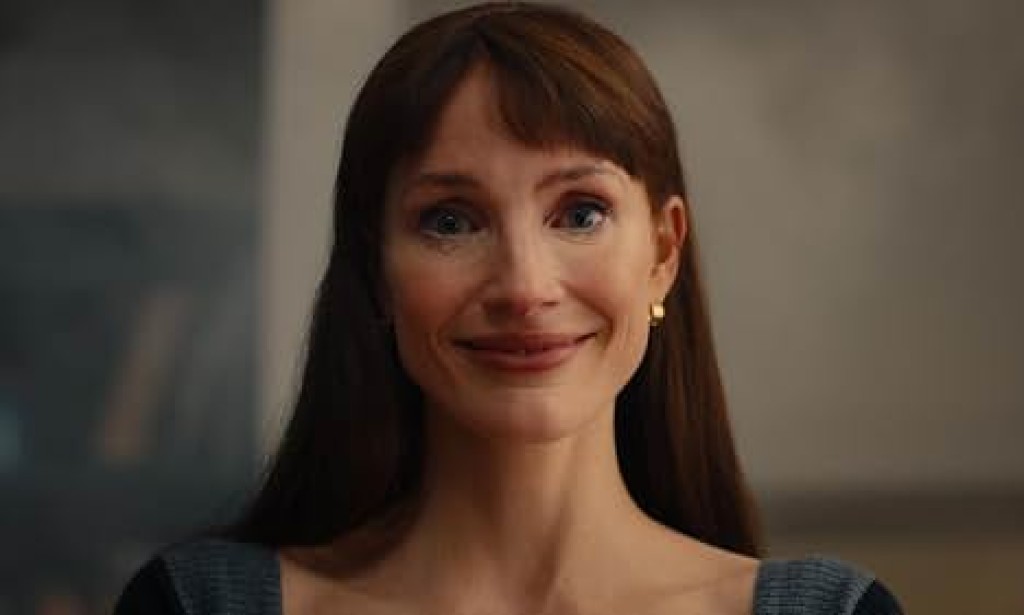
In an era when streaming platforms and theatrical releases compete for every scream, few themes cut deeper than the corrupted mother. From Hereditary to The Babadook and beyond, filmmakers have mined maternal anxiety for genuine dread. The latest wave doubles down on the idea that the person who should protect you might be the very thing you need protection from. Audiences keep showing up because the fear feels intimate, almost inevitable.
The Enduring Power of Maternal Horror
Studios have learned that a strong maternal hook travels well. A child who cannot trust the face that raised her creates instant tension without needing elaborate mythology. Producers such as James Wan and the Blumhouse machine understand this instinctively. They pair recognizable stars with high-concept premises and let marketing do the heavy lifting. The result is a steady stream of films that promise psychological unease and deliver, at their best, lasting images of domestic violation. At their weakest, they lean too hard on jump scares and undercooked character work, leaving viewers with the sense that the real terror was left on the cutting-room floor. Still, the formula remains commercially reliable because the emotional stakes feel personal.
When Concept Outruns Execution
Recent entries in this cycle illustrate both the strengths and the pitfalls. A young girl’s encounter with an entity that perfectly mimics her mother offers rich thematic territory: identity, loyalty, the fear that love itself can be weaponized. When the premise lands, it does so with unsettling force. Yet too often the surrounding drama fails to deepen the idea. Characters remain sketches, tension evaporates after the standout sequence, and the film settles into familiar rhythms. One particularly sharp examination of this exact dynamic arrives in this in-depth Other Mommy 2026 review that dissects how a brilliant opening and a potent concept were not enough to sustain a full feature.
That pattern points to a larger industry challenge. High-concept maternal horror sells tickets and generates conversation, but sustained excellence requires more than an unforgettable trailer moment. Viewers are increasingly sophisticated; they notice when emotional investment is never earned and when atmosphere gives way to noise. The best films in the subgenre trust silence, performance, and the slow erosion of safety. The rest risk becoming disposable seasonal product.
The conversation around these movies ultimately serves the genre well. It forces creators to ask harder questions about what truly frightens us inside the family home. As long as motherhood remains both sacred and terrifying in the cultural imagination, filmmakers will keep circling the idea. The smart ones will remember that the most effective scares grow from character, not just concept. For readers seeking measured takes on the current wave of genre releases, sites such as BriefLedger continue to track the hits and the near-misses with clarity.
Author Bio Box
Rachel Rosie is a Writer & Editor at BriefLedger, covering entertainment, film, and cultural trends with a focus on clear, engaging analysis. Explore more of her work and the latest in pop culture coverage at BriefLedger.


You must be logged in to post a comment.