

The Silent Superiority Paradox: Why the Smartest, Kindest, and Most Capable People Are the Most Ignored in Society
Introduction
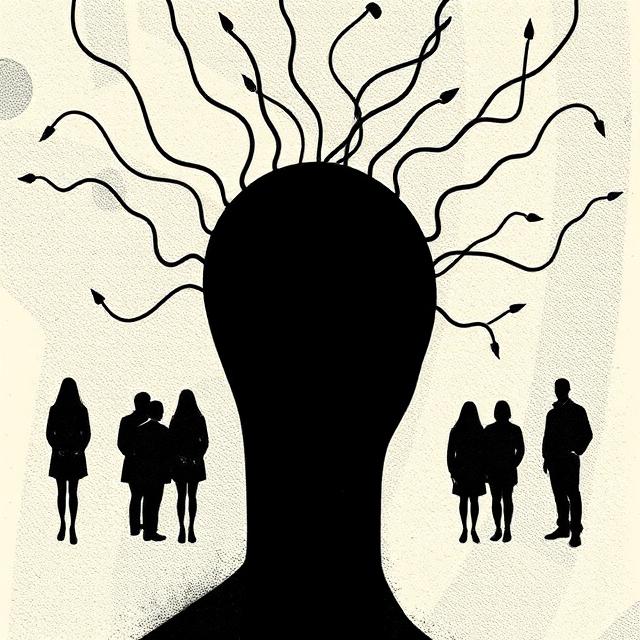
In a world obsessed with visibility, noise, and self-promotion, a strange paradox quietly unfolds every day: the most intelligent, kind-hearted, and capable individuals are often the least noticed. While louder, more assertive personalities dominate conversations, promotions, and social recognition, those who possess deep insight, empathy, and true competence frequently remain in the background.
This phenomenon is not accidental—it is psychological, cultural, and systemic.
Welcome to The Silent Superiority Paradox—a hidden social pattern that explains why brilliance often goes unseen, kindness goes unrewarded, and true capability is overshadowed by performative confidence.
In this article, we’ll explore the psychological reasons behind this paradox, the societal structures that reinforce it, and how individuals can navigate this reality without losing their authenticity.
What Is the Silent Superiority Paradox?
Definition
The Silent Superiority Paradox refers to the tendency for highly intelligent, empathetic, and capable individuals to be overlooked or undervalued in social, professional, and cultural environments.
Core Idea
The paradox emerges because:
Truly capable people often don’t feel the need to prove themselves
Kind individuals avoid self-promotion or dominance
Intelligent thinkers tend to question themselves more than others do
Meanwhile, society tends to reward:
Confidence over competence
Visibility over value
Loudness over depth
Why Smart People Are Often Ignored
H3: 1. They Question Themselves More
Highly intelligent individuals tend to think critically—even about their own abilities.
Key traits:
They analyze decisions deeply
They consider multiple perspectives
They are aware of what they don’t know
This leads to:
Hesitation in speaking up
Understating their knowledge
Avoiding absolute statements
Result: Less confident people appear more decisive—and get more attention.
H3: 2. They Avoid Oversimplification
Smart individuals understand complexity.
Instead of giving quick, catchy answers, they:
Explain nuances
Highlight uncertainties
Avoid black-and-white thinking
In a fast-paced world that rewards:
Short answers
Strong opinions
Viral soundbites
Depth becomes invisible.
H3: 3. They Don’t Seek Validation
Many highly capable individuals are internally driven.
They:
Focus on mastery, not applause
Prefer meaningful work over recognition
Feel uncomfortable “selling themselves”
But society rewards those who:
Constantly showcase achievements
Build personal brands
Publicize every success
Why Kind People Get Overlooked
H3: 1. Kindness Is Quiet
Kindness rarely demands attention.
It shows up as:
Listening instead of talking
Supporting instead of leading
Giving without expecting return
These behaviors are:
Subtle
Non-disruptive
Easy to ignore
H3: 2. They Avoid Conflict and Dominance
Kind individuals often:
Avoid interrupting others
Give others the spotlight
Downplay their own contributions
In competitive environments, this can be misinterpreted as:
Weakness
Lack of ambition
Low confidence
H3: 3. They Assume Fairness Will Win
Kind people often believe:
Good work will be noticed
Effort will be rewarded
Integrity will be recognized
Unfortunately, reality often works differently:
Visibility beats quiet effort
Perception shapes success
Politics influences outcomes
Why Capable People Stay Invisible
H3: 1. They Focus on Doing, Not Showing
Highly capable individuals:
Prioritize execution over exposure
Solve problems instead of talking about them
Deliver results without broadcasting them
But modern systems reward:
Presentation over production
Storytelling over substance
H3: 2. They Underestimate Their Own Value
Because they understand complexity, capable people often think:
“This isn’t that impressive”
“Others can do this too”
“I’m just doing my job”
This leads to:
Underselling skills
Missing opportunities
Being overlooked for promotions
H3: 3. They Let Others Take Credit
Capable individuals often:
Share credit generously
Avoid claiming ownership
Stay silent in group recognition
Meanwhile, others may:
Highlight their contributions aggressively
Take credit for shared work
Control narratives
The Role of Modern Society
H2: A Culture That Rewards Visibility
We live in an attention-driven economy where:
Social media amplifies loud voices
Confidence is mistaken for competence
Personal branding shapes perception
Outcome:
Visibility becomes more valuable than ability
H3: The Rise of Performative Confidence
Today, success often depends on:
How confidently you speak
How often you appear
How strongly you assert yourself
Even when:
The content lacks depth
The expertise is limited
H3: The Illusion of Authority
People tend to trust those who:
Speak first
Speak loudly
Speak with certainty
Even if they are:
Less informed
Less capable
Less experienced
Psychological Factors Behind the Paradox
H2: The Confidence-Competence Gap
This phenomenon is closely related to a cognitive bias where:
Less competent individuals overestimate themselves
Highly competent individuals underestimate themselves
Impact:
The wrong people speak with authority
The right people stay silent
H3: Fear of Being Misunderstood
Smart and kind individuals often fear:
Oversimplifying important ideas
Being judged unfairly
Saying something inaccurate
So they choose:
Silence over misrepresentation
H3: High Internal Standards
Capable individuals often:
Set extremely high standards
Wait until they are “fully ready”
Avoid sharing incomplete work
Meanwhile, others:
Share early
Iterate publicly
Gain visibility faster
The Hidden Cost of Being Ignored

H2: Personal Consequences
Being consistently overlooked can lead to:
Frustration
Self-doubt
Burnout
Loss of motivation
H3: Professional Impact
In the workplace, this paradox results in:
Missed promotions
Lower recognition
Unequal opportunities
H3: Social Isolation
Over time, ignored individuals may:
Withdraw further
Stop contributing ideas
Feel disconnected from others
Why This Paradox Is Dangerous for Society
H2: Talent Goes to Waste
When capable people are ignored:
Innovation slows
Poor decisions increase
Mediocrity rises
H3: Wrong Leaders Rise
If visibility is rewarded over ability:
Leadership becomes performative
Decisions become shallow
Systems become inefficient
H3: Kindness Becomes Rare
When kindness is overlooked:
Aggression is rewarded
Empathy declines
Social trust weakens
How to Break the Silent Superiority Paradox
H2: For Individuals
H3: 1. Learn Strategic Visibility
You don’t need to become loud—but you must become visible.
Action steps:
Share your work regularly
Speak up in key moments
Document your achievements
H3: 2. Communicate Value Clearly
Avoid assuming others understand your contributions.
Do this:
Explain your impact
Use clear, concise language
Highlight results, not just effort
H3: 3. Balance Humility with Assertion
You can be kind and confident at the same time.
Practice:
Owning your achievements
Setting boundaries
Speaking with clarity
H3: 4. Stop Waiting for Recognition
Recognition is not automatic—it is influenced by perception.
Shift mindset:
From “They will notice”
To “I will show my value”
H3: 5. Build a Personal Narrative
People remember stories, not silent effort.
Create a narrative around:
What you do
Why it matters
How it helps others
How Organizations Can Fix This Problem
H2: Create Systems That Reward Substance
Companies should:
Track measurable contributions
Encourage quiet voices
Reward collaboration and kindness
H3: Redefine Leadership Qualities
Leadership should value:
Listening
Empathy
Critical thinking
Long-term impact
H3: Encourage Inclusive Communication
Teams should:
Create space for everyone to speak
Avoid dominance by loud individuals
Value thoughtful input
The Power of Quiet Strength
H2: Why Silent Superiority Still Matters
Despite being overlooked, quiet individuals often:
Think more deeply
Build stronger relationships
Create lasting impact
Their strength is not in noise—but in substance.
H3: Long-Term Advantage
Over time:
Depth beats surface
Consistency beats hype
Integrity beats performance
Those who stay true to their values often:
Build trust
Earn respect
Achieve meaningful success
Final Thoughts
The Silent Superiority Paradox reveals a hard truth about modern society: being the smartest, kindest, or most capable person in the room does not guarantee recognition.
But it also offers a powerful insight:
You don’t need to change who you are—you need to change how you present who you are.
By combining:
Authenticity with visibility
Kindness with confidence
Capability with communication
You can break free from invisibility—without losing your essence.
Key Takeaways
Intelligence often leads to self-doubt, not self-promotion
Kindness is quiet and easily overlooked
Capability without visibility often goes unnoticed
Society rewards confidence more than competence
Strategic visibility is essential for recognition
You can be both humble and assertive
If you’ve ever felt invisible despite your abilities, this isn’t a flaw—it’s a pattern. And once you understand it, you can rise above it—not by becoming louder, but by becoming intentionally seen.


You must be logged in to post a comment.