
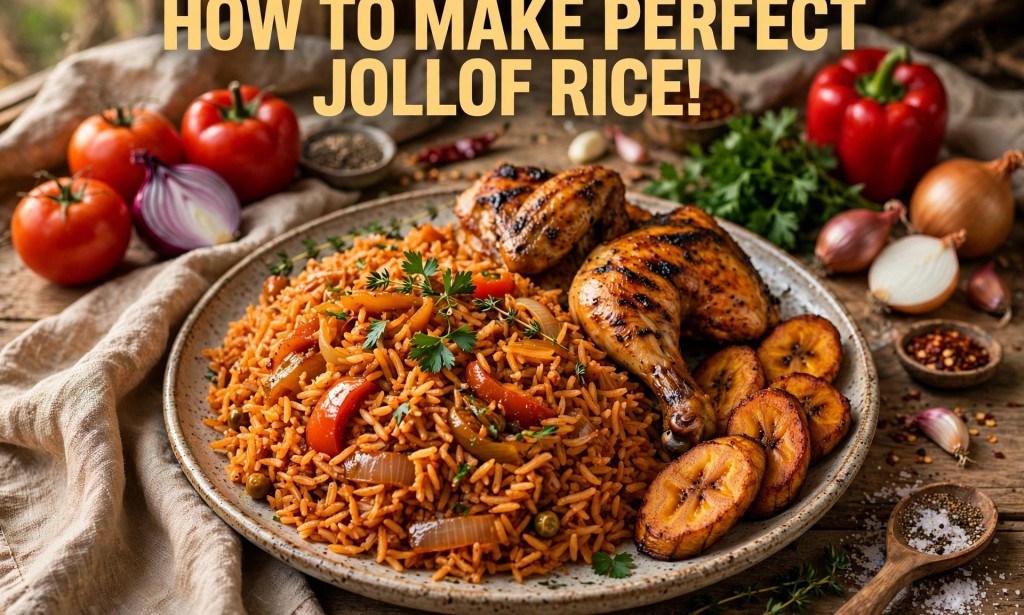
🍅 How to Make the Perfect Jollof Rice: 10 Secrets to Rich Flavor and Delicious Results
Imagine lifting the lid off a pot of freshly cooked jollof rice. A delicious tomato aroma fills the kitchen, the rice has a beautiful reddish-orange color, and every spoonful is packed with flavor.
Sounds amazing, right?
Jollof rice is more than just a meal in Nigeria and many other West African countries. It's a favorite at birthdays, weddings, family gatherings, celebrations, and ordinary weekend lunches. And, of course, discussions about who makes the best jollof rice can get surprisingly competitive!
But here's the exciting part: you don't need to be a professional chef to prepare delicious jollof rice. With the right ingredients, a little patience, and a few helpful techniques, you can make a pot that your family and friends will enjoy.
In this article, we'll explore an easy Nigerian-style jollof rice recipe, followed by 10 secrets that can help improve your cooking.
Let's get started! 👨🍳
🛒 Ingredients You'll Need
This recipe serves approximately four people, depending on portion sizes.
Gather the following ingredients:
- 2 cups of long-grain parboiled rice
- 4 medium-sized fresh tomatoes
- 1 red bell pepper
- 1–2 Scotch bonnet peppers, depending on your preferred heat level
- 1 medium-sized onion
- 2–3 tablespoons of tomato paste
- 3 tablespoons of vegetable oil
- 2–3 cups of chicken stock or water, as needed
- 1–2 teaspoons of curry powder
- 1 teaspoon of dried thyme
- 2 seasoning cubes, or an amount suitable for your taste
- Salt to taste
- 1 bay leaf, optional
Kitchen tip: The exact amount of liquid needed depends on your rice, the thickness of your tomato mixture, and your cooking pot. Start with less liquid than you think you need; you can add a little more if necessary.
👩🍳 Step-by-Step Instructions
Step 1: Prepare the Rice
Measure out your rice and rinse it with clean water until the water becomes less cloudy.
Drain it thoroughly and set it aside.
Rinsing helps remove excess surface starch and loose particles. Avoid leaving the rice soaking for too long unless the package instructions recommend it.
Step 2: Blend the Tomatoes and Peppers
Wash your tomatoes, red bell pepper, Scotch bonnet peppers, and onion.
Cut them into manageable pieces and blend until smooth.
If the mixture is very watery, you may need to cook it longer to remove the excess moisture. A thick tomato mixture helps produce flavorful rice without requiring too much liquid.
Step 3: Prepare the Tomato Sauce
Place a pot over medium heat and add the vegetable oil.
Add some chopped onion and stir for a short time until fragrant.
Next, add the tomato paste and stir for a few minutes. This helps develop its flavor.
Pour in your blended tomato and pepper mixture, then stir well.
Allow the sauce to cook until it thickens and its raw tomato smell reduces. Stir occasionally to prevent it from sticking or burning.
Step 4: Add Your Seasonings
Add the curry powder, thyme, seasoning cubes, salt, and bay leaf if you're using one.
Stir everything together so the seasonings are distributed throughout the sauce.
Taste the sauce carefully and adjust the seasoning before adding the rice. Remember that stock may already contain salt.
Step 5: Add the Rice
Pour the rinsed and drained rice into the tomato sauce.
Stir until the grains are coated evenly.
Add enough warm chicken stock or water to cook the rice. The liquid should be sufficient for the rice to soften, but avoid adding so much that the finished dish becomes soggy.
Step 6: Cover and Cook
Reduce the heat to low and cover the pot with a tight-fitting lid.
Allow the rice to cook gently, checking occasionally to make sure it isn't sticking or drying out.
If the rice remains firm and the liquid has been absorbed, add a small amount of warm water, cover the pot again, and continue cooking.
Once the rice is tender, switch off the heat and allow it to rest briefly before serving.
Your homemade jollof rice is ready! 🎉
🔥 10 Secrets to More Delicious Jollof Rice
Now that you know the basic recipe, let's look at a few techniques that can take your cooking to the next level.
1. Cook Your Tomato Sauce Properly
One common reason jollof rice lacks depth of flavor is that the tomato mixture hasn't cooked long enough.
Allow the sauce to simmer until it thickens and the raw tomato smell reduces.
Don't rush this stage. Developing the sauce's flavor makes a noticeable difference to the finished meal.
2. Use the Right Amount of Liquid
Too much water can leave your rice soft and mushy, while too little can cause it to remain hard.
Start with a controlled amount of stock or water and add small quantities when needed.
Remember that different rice varieties absorb liquid differently, so keep an eye on your pot rather than relying entirely on a fixed measurement.
3. Choose Good-Quality Rice
Long-grain parboiled rice is a popular choice for Nigerian-style jollof because it can hold its shape during cooking.
However, cooking times and liquid requirements vary by brand.
Read the package instructions and adjust your method accordingly.
4. Don't Ignore the Tomato Paste
Tomato paste gives jollof rice a concentrated tomato flavor and helps contribute to its characteristic color.
Stirring it in oil for a few minutes before adding the blended mixture can improve its flavor.
Be careful not to burn it, as burnt tomato paste can make the entire dish taste bitter.
5. Let the Rice Cook on Low Heat
High heat can cause the bottom of the pot to burn before the upper layers are fully cooked.
Once you've added the rice and liquid, reduce the heat and allow the rice to cook gently.
A heavy-bottomed pot can also help distribute heat more evenly.
6. Avoid Stirring Too Frequently
It's tempting to keep stirring because you want to make sure nothing sticks.
However, excessive stirring can break the grains and release starch, potentially making the rice softer and stickier.
Stir the rice when necessary, especially while distributing the sauce, but avoid constantly disturbing it during cooking.
7. Use Stock for Extra Flavor
Chicken stock can contribute extra flavor to your jollof rice.
If you're using stock, remember to account for the salt and seasonings it already contains.
Vegetable stock or well-seasoned water can also work if you prefer a meat-free version.
8. Balance Your Spices
Curry powder and thyme are common seasonings in Nigerian-style jollof rice.
However, adding too much seasoning can overpower the tomato and pepper flavors.
Start with moderate quantities, taste your sauce, and adjust as needed.
9. Give the Rice Time to Rest
When the rice is tender, switch off the heat and leave it covered for several minutes.
This allows the moisture and heat to distribute more evenly.
Fluff the rice gently with a fork or serving spoon before serving.
10. Serve It With Delicious Sides
Jollof rice is excellent on its own, but suitable side dishes can make the meal even more satisfying.
Try serving it with:
- Grilled or roasted chicken
- Fried or grilled fish
- Fried plantain
- Steamed vegetables
- Fresh salad
- Beans or other suitable protein-rich foods
Choose combinations that suit your preferences, budget, and available ingredients.
🍗 What Can You Serve With Jollof Rice?
One of the best things about jollof rice is its versatility.
For a classic Nigerian-style meal, you could serve it with chicken and fried plantain.
If you prefer fish, grilled fish can provide a flavorful alternative.
For a more vegetable-focused meal, serve your rice with steamed vegetables or a fresh salad.
You can also adjust the ingredients in the rice itself to suit your needs, as long as the additions cook safely and work well with the recipe.
There's no single correct combination. The best side dish is one you enjoy!
⚠️ Common Jollof Rice Mistakes to Avoid
Even experienced home cooks occasionally make mistakes. Here are some problems to watch out for:
Adding too much water: This can make the rice mushy. Add liquid gradually and monitor the cooking process.
Using an undercooked tomato sauce: This may leave an unpleasant raw tomato flavor. Give the sauce enough time to develop.
Burning the sauce: Excessive heat can make the tomatoes or tomato paste bitter. Stir as needed and adjust the heat.
Over-seasoning: Too much salt, stock, or seasoning can overpower the dish. Taste before making additional adjustments.
Cooking without checking the rice: Different rice varieties need different amounts of liquid and cooking time. Check for tenderness and add small amounts of water if necessary.
Using too much pepper: If you are cooking for children or people who prefer mild food, reduce the Scotch bonnet peppers to suit their tastes.
Avoiding these mistakes can help you produce more consistent results every time you cook.
🌟 Final Thoughts
Making delicious jollof rice doesn't have to be complicated.
With good-quality rice, a well-prepared tomato sauce, balanced seasoning, and careful heat control, you can create a satisfying meal using familiar ingredients.
The secret isn't simply adding more spices or cooking at the highest temperature. It's understanding how each ingredient works and giving the rice enough time to cook properly.
Start with this recipe, experiment with the seasonings, and gradually discover the version you enjoy most.
And remember, cooking is a skill that improves with practice. Your first pot doesn't have to be perfect!
💬 Let's Settle This Debate!
We all know that jollof rice can inspire some serious food arguments!
Which country do you think makes the best jollof rice: Nigeria, Ghana, Senegal, or another country? 🇳🇬🇬🇭🇸🇳
And what's the one secret ingredient or cooking technique that makes your jollof rice special?
Share your opinion in the comments. Let's see what everyone thinks


You must be logged in to post a comment.