The R60 Billion Business: How Drug Sales Work in South Africa
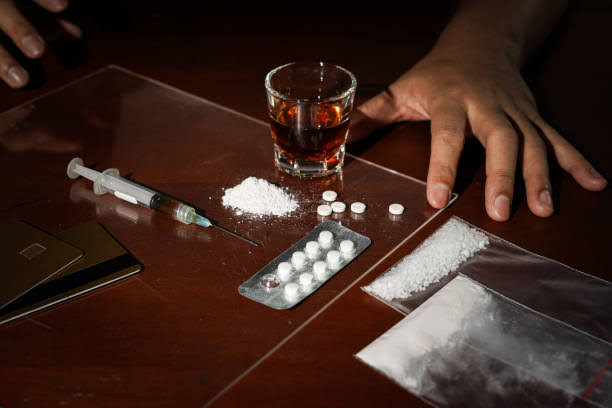
When we talk about nyaope in Soshanguve, we are talking about one small corner of a massive industry.
As a country, South Africa's market for just three drugs — heroin, cocaine, and crystal meth (tik) — is worth an estimated *$3.5 billion (about R60 billion). That's almost 1% of our entire GDP.*
That figure doesn't even include cannabis (dagga), mandrax, or alcohol. It shows one thing: selling drugs in South Africa is not small-time hustling. It is organized, international business.
*1. What Sells, and Where?*
South Africa is unique because we are THREE markets at once:
*A Transit Hub + A Production Hub + A Consumer Market*
*Cannabis (Dagga):* Still our biggest drug by volume. About 10% of Africans use it. It is grown everywhere, from Eastern Cape mountains to indoor labs in Gauteng. After the 2018 private-use ruling, sales went semi-legal, but the illegal export market is still huge.
*Mandrax (Buttons):* South Africa is still one of the largest consumers of mandrax in the world. Often smoked mixed with dagga as a "white pipe."
*Crystal Meth (Tik):* The fastest-growing market. In the Western Cape, tik is king — cheap, highly addictive, and now made locally. In townships like Soshanguve and Mamelodi, a straw of tik sells for R20-R40. In 2025, Hawks dismantled 19 secret meth labs, and in 2026, police found labs worth R350 million and even R2 billion, many linked to Mexican nationals. Why SA? We have ports, chemicals from Asia, and weak border control.
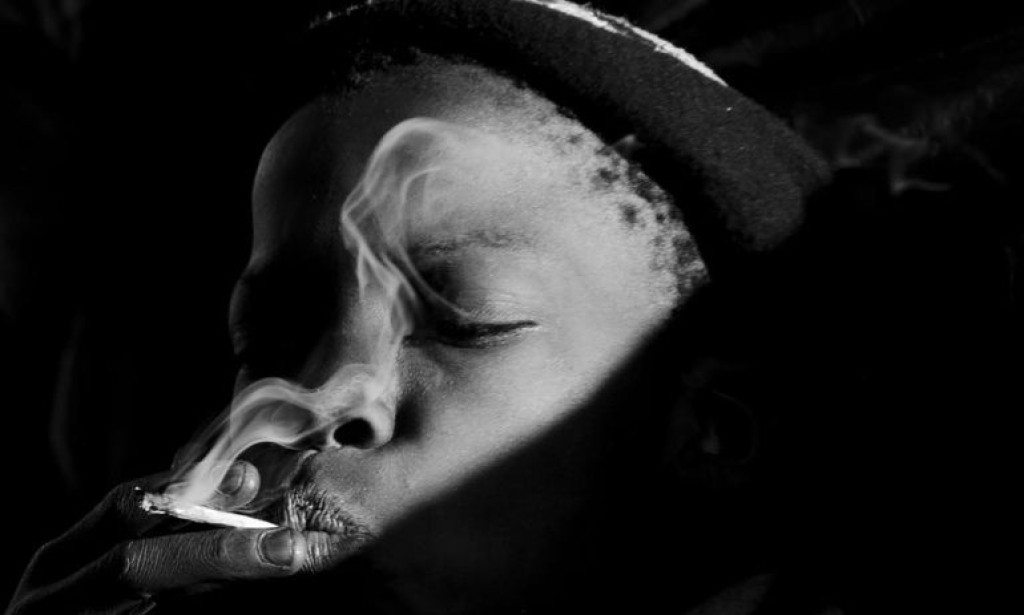
*Heroin (Nyaope / Whoonga / Unga):* This is the drug destroying Gauteng and KZN. Researchers estimate about 400,000 people who use heroin in SA. Nyaope is heroin mixed with anything — rat poison, ARVs, dagga — to stretch it. A bag can be as cheap as R30. That cheap price is why it spread so fast.
*Cocaine:* About 350,000 users. Mostly in Sandton, Cape Town, Durban, and Pretoria East. Expensive — R300 to R600 per gram — but cocaine seizures linked to Africa rose 48% from 2022 to 2023. South Africa's ports and OR Tambo Airport are key routes for cocaine coming from Brazil to Europe.
*2. How The Sales System Works*
Forget the movie image of one dealer on a corner. It is a chain:
*Level 1 - The Importer:* Syndicates, including Nigerian networks, Tanzanian dhows, and now Mexican cartels like Sinaloa, bring drugs via the "Southern Route" — by sea from Afghanistan/Pakistan to Mozambique, then by road into SA.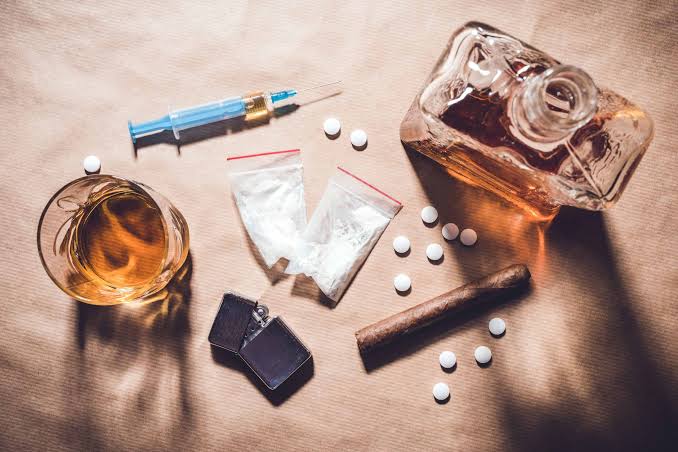
*Level 2 - The Cook:* Clandestine labs in farms in Mpumalanga, Limpopo, North West. They use industrial chemicals from China and India, which hide easily in our massive legal trade.
*Level 3 - The Distributor:* Sells in bulk to townships and cities. This is where the R2 billion lab makes sense — one lab can supply the whole country.
*Level 4 - The Street Seller (Bhatie):* The young boy on the corner selling 10 bags to feed his own habit. He makes the least money, takes the most risk. Police arrest him, but the lab owner is already building the next lab.
That's why only 15% of drug cases end in conviction, and over 41,000 cases were withdrawn in 3 years — we arrest the bottom of the chain, not the top.
*3. Why Sales Are Growing*
1. *Unemployment:* When a 22-year-old can't find work, selling 50 bags a day for R500 profit is a job offer.
2. *Price:* Nyaope is cheaper than beer. Tik is cheaper than cocaine. The market made addiction affordable.
3. *Synthetic Drugs:* UNODC says global drug use hit a record 331 million people in 2024. New synthetic drugs can be made anywhere, not just grown. South Africa's law struggles to keep up.
4. *8.2% of South Africans* now use some form of synthetic drug — higher than Kenya (4.1%) or Zimbabwe (3.5%).
*4. The Real Cost of Those Sales*
That R60 billion market doesn't stay in bank accounts. We pay for it:
- Families pay with stolen TVs, lost school fees, and broken homes.
- Hospitals pay with TB, HIV from shared needles, and mental health crises.
- Communities pay with crime — 70% of petty theft in townships is linked to drug needs.
- The country pays because that R60 billion is not taxed, not invested, it leaves SA.
*What Do We Do?*
We cannot arrest our way out of a R60 billion market. We have tried. Labs keep popping up.
We need to attack both sides:
*Cut Demand:* More rehab centres that are affordable, in the township, run by people who understand nyaope. Every addict who recovers is one less customer.
*Cut Supply Differently:* Stop focusing only on the 16-year-old runner. Focus on the labs, the precursor chemicals, and the corruption that lets containers pass at Durban harbour.
And create alternatives — like dance schools, skills centres, and jobs — so selling drugs is not the only business model in the kasi.
Drug sales in South Africa are not a "coloured community problem" or a "township problem." It is a national economy, run by international syndicates, but paid for by our children in Soshanguve, Cape Town, and Durban.
If we understand how big it is, we will stop judging the user and start fixing the country but we need to start in the hoods.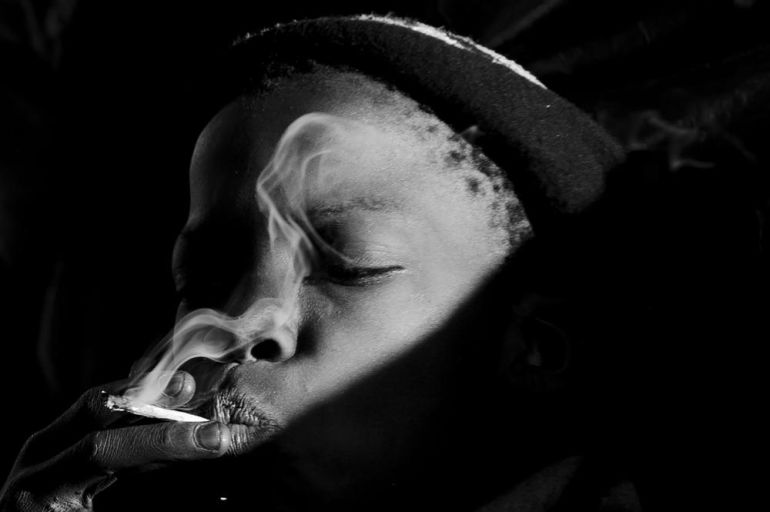

You must be logged in to post a comment.