

Boiling Mint Won’t Save You: The Dangerous Truth Behind Viral Herbal Remedies
Introduction
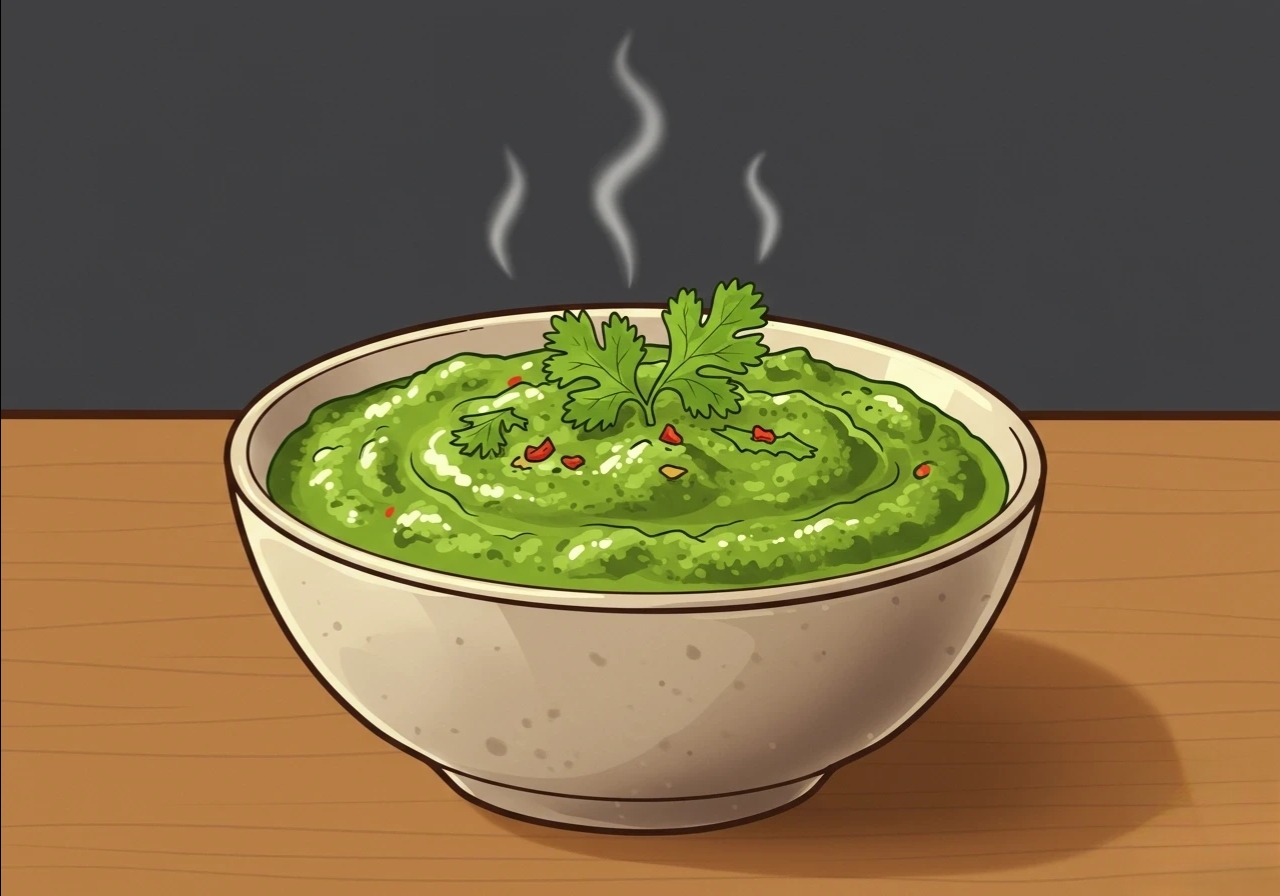
Scroll through any social media platform today and you’ll quickly find a flood of “miracle cures” made from simple kitchen ingredients. Among the most viral trends is boiling mint leaves into water and drinking it as a supposed cure-all—for digestion, weight loss, immunity, anxiety, and even serious illnesses.
It sounds harmless. Natural. Even comforting.
But here’s the uncomfortable truth: not all herbal remedies are safe—and some can quietly harm you when used incorrectly or blindly trusted.
This article dives deep into the science, myths, risks, and realities behind viral herbal remedies, especially mint-based concoctions. You’ll discover why boiling mint won’t magically fix your health—and what you should do instead.
The Rise of Viral Herbal Remedies
Why “Natural” Solutions Are Trending Again
The global shift toward natural health isn’t random. Several factors are driving it:
Growing distrust in pharmaceutical companies
Fear of side effects from modern medicine
Influence of social media wellness influencers
Cultural traditions and ancestral practices
Easy access to “DIY health hacks” online
Herbal remedies, including mint tea, garlic water, turmeric drinks, and detox infusions, are now widely marketed as safe alternatives to medicine.
But “natural” does not always mean safe, effective, or appropriate.
The Social Media Effect: How Misinformation Spreads
Platforms like TikTok, Instagram, and YouTube amplify trends at lightning speed. A single video claiming:
“Drink boiled mint water for 7 days and watch your body heal!”
can reach millions—without any scientific backing.
Why these claims go viral:
They promise quick results
They use simple ingredients
They feel accessible and affordable
They exploit fear and hope simultaneously
Unfortunately, virality is not evidence.
Understanding Mint: What It Actually Does
What Is Mint?
Mint refers to plants in the Mentha family, commonly used in food, beverages, and traditional medicine.
The most popular types include:
Peppermint
Spearmint
Wild mint
Real Health Benefits of Mint (Backed by Science)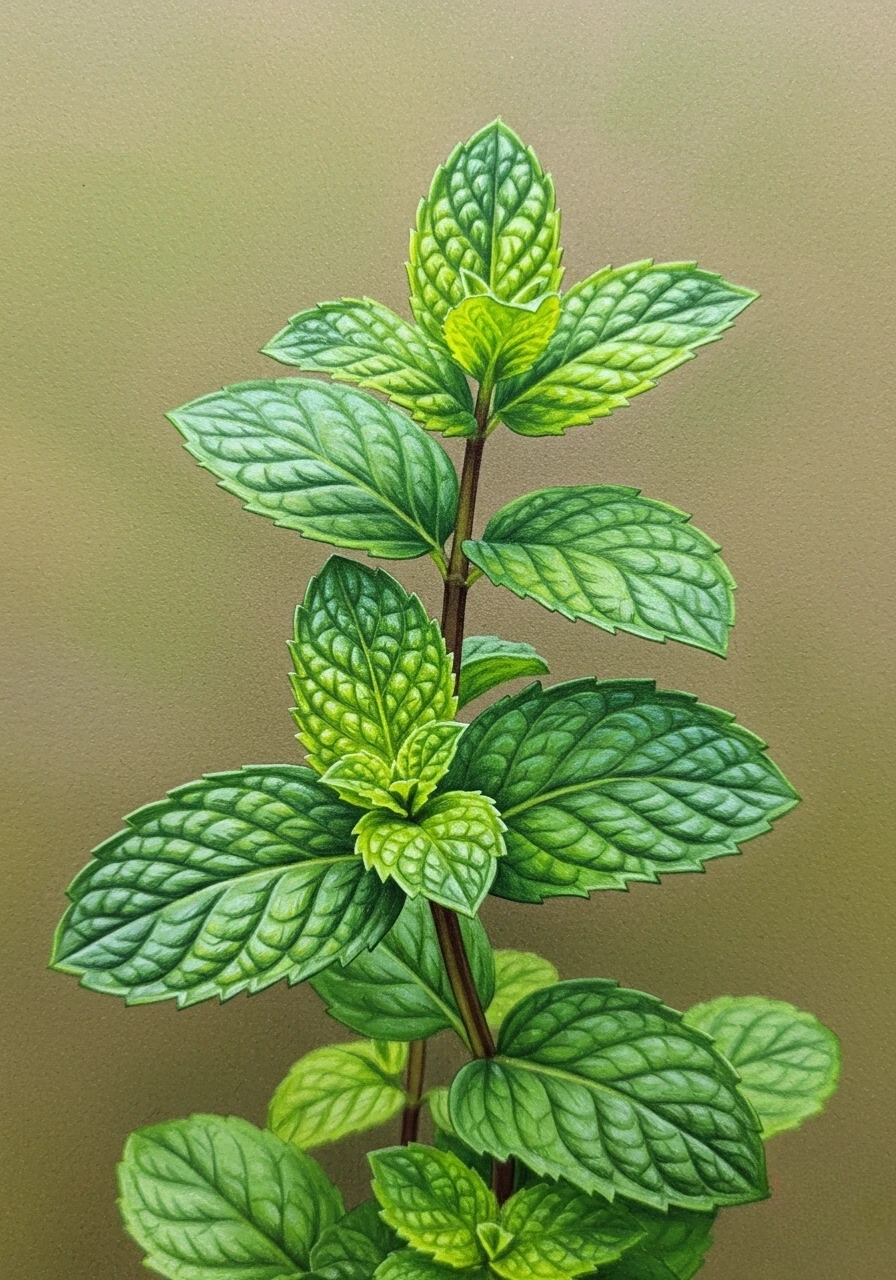
Mint is not useless—it has legitimate benefits when used correctly.
1. Digestive Relief
Mint can help:
Relax digestive muscles
Reduce bloating
Ease mild stomach discomfort
2. Fresh Breath & Oral Health
Its antibacterial properties can:
Reduce bad breath
Improve oral hygiene
3. Mild Stress Reduction
The aroma of mint may help:
Promote relaxation
Reduce mild anxiety
What Mint Does NOT Do
Despite viral claims, mint cannot:
Cure chronic diseases
Detox your organs
Melt fat rapidly
Replace medical treatments
Boost immunity overnight
This gap between real benefits and exaggerated claims is where danger begins.
The Myth of “Boiling Mint for 7 Days”
Where Did This Trend Come From?
The idea likely stems from traditional herbal practices, where mint tea has been used for digestion and comfort. However, social media transformed this into:
“Drink boiled mint daily for 7 days to reset your entire body.”
There is no scientific evidence supporting this claim.
Why the “7-Day Cure” Concept Is Misleading
The human body is far more complex than viral trends suggest.
Your body already has detox systems:
Liver
Kidneys
Lungs
Skin
No herbal drink can replace these functions.
The Illusion of Results
Some people report feeling “better” after drinking mint water. Why?
Increased hydration
Placebo effect
Temporary digestive relief
These are short-term improvements, not real healing.
Hidden Risks of Overusing Herbal Remedies
1. Overconsumption Can Cause Side Effects
Even harmless herbs can become harmful in excess.
Too much mint may lead to:
Acid reflux
Heartburn
Allergic reactions
Headaches
2. Interference with Medications
Mint and other herbs can interact with medications.
For example:
It may affect how your body processes certain drugs
It can alter absorption rates
This is especially risky for people with:
Chronic illnesses
Hormonal disorders
Heart conditions
3. Delaying Proper Medical Treatment
One of the biggest dangers is false confidence.
People may rely on herbal remedies instead of seeking real medical help for:
Infections
Diabetes
Digestive disorders
Mental health issues
This delay can make conditions worse.
4. Lack of Standard Dosage
Unlike medicine, herbal remedies:
Have no standardized doses
Vary in potency
Depend on preparation method
Boiling mint too long or too frequently can alter its chemical composition.
The Psychology Behind Believing Herbal Hacks
Why People Trust Viral Remedies
Human psychology plays a huge role.
1. The Appeal of Simplicity
A single herb feels easier than complex treatments.
2. Fear of Chemicals
People assume:
“Natural = safe, chemical = dangerous”
But everything—including herbs—is made of chemicals.
The Placebo Effect
If you believe something will work, your brain can:
Reduce pain perception
Improve mood
Create a sense of healing
This doesn’t mean the remedy is actually curing anything.
When Herbal Remedies Are Actually Helpful
Safe Uses of Mint
Mint can be beneficial when used responsibly:
As a tea for mild digestion issues
As a flavoring agent
For occasional relaxation
Best Practices for Safe Herbal Use
Do:
Use herbs in moderation
Consult a healthcare professional
Research credible sources
Pay attention to your body’s response
Don’t:
Replace prescribed medication
Follow extreme viral trends
Assume all herbs are safe
Ignore symptoms
The Bigger Problem: The Wellness Misinformation Industry
Profit Behind “Natural Cures”
Many viral remedies are not just innocent trends.
They are often linked to:
Affiliate marketing
Supplement sales
Influencer monetization
Fear-based messaging is powerful:
“Doctors won’t tell you this…”
This creates distrust and drives engagement.
The Danger of Pseudoscience
Pseudoscience looks convincing but lacks real evidence.
Common signs include:
Vague claims
No scientific references
Overpromising results
Anecdotal success stories
How to Spot a Dangerous Health Trend
Before trying any viral remedy, ask yourself:
Red Flags to Watch For
Claims of “instant results”
Promises to cure multiple diseases
Lack of scientific backing
Emotional or fear-driven language
“Secret” remedies doctors allegedly hide
Critical Thinking Checklist
Is there clinical evidence?
Are experts supporting it?
Are risks mentioned?
Is it too good to be true?
If the answer raises doubt—don’t trust it blindly.
Better Alternatives to Viral Herbal Fixes
1. Balanced Diet
Focus on:
Fruits and vegetables
Whole grains
Lean proteins
2. Proper Hydration
Water alone can:
Improve digestion
Boost energy
Support detoxification
3. Regular Exercise
Movement helps:
Circulation
Metabolism
Mental health
4. Medical Guidance
Consult professionals for:
Persistent symptoms
Chronic conditions
Personalized advice
The Truth About “Natural Healing”
Nature is powerful—but it’s not magic.
Herbs like mint are:
Supportive tools
Not miracle cures
True health comes from consistent, evidence-based habits, not quick viral fixes.
Conclusion
Boiling mint won’t save you—and believing it will might actually harm you.
The internet is full of appealing health shortcuts, but your body doesn’t work on trends. While mint has real benefits, exaggerating its power turns a helpful herb into a misleading myth.
Remember:
Natural doesn’t always mean safe
Viral doesn’t mean true
Simple doesn’t mean effective
Your health deserves more than a trending recipe.
It deserves knowledge, balance, and informed decisions.


You must be logged in to post a comment.