
You’ve Been Eating Dahi Wrong: The Hidden Health Risks Behind This ‘Sunnah’ Food Combination Everyone Is Ignoring
Introduction
Dahi (yogurt) has long been considered one of the healthiest foods in traditional diets across South Asia and beyond. Revered for its cooling properties, digestive benefits, and deep cultural roots, it is often linked with “Sunnah” eating practices and widely consumed daily in countless households.
From pairing dahi with rice to enjoying it with fruits, sugar, or savory dishes, people believe they are making a nutritious choice. But what if the way you’re eating dahi is quietly doing more harm than good?
In recent years, nutrition experts and traditional medicine practitioners have raised concerns about certain food combinations involving dahi. While dahi itself is incredibly beneficial, improper pairings, timing, and consumption habits can lead to digestive issues, skin problems, and even long-term health concerns.
This article uncovers the hidden risks of common dahi combinations, debunks myths, and shows you how to eat dahi the right way—so you can enjoy its benefits without compromising your health.
Why Dahi Is Considered a Superfood
Before diving into the risks, it’s important to understand why dahi is so highly valued.
Nutritional Benefits of Dahi
Dahi is packed with essential nutrients and probiotics that support overall health.
Key benefits include:
Rich in calcium for strong bones
Contains probiotics that improve gut health
Aids digestion and nutrient absorption
Supports immunity
Helps regulate body temperature
Cultural and Traditional Importance
In many cultures, dahi is:
Considered a cooling food
Used in religious and traditional meals
Linked with digestive balance
Regarded as a wholesome daily staple
However, tradition alone doesn’t guarantee correctness in modern dietary contexts.
The Problem: It’s Not the Dahi—It’s How You Eat It
Dahi itself is not harmful. The issue lies in incorrect combinations and habits that disrupt digestion and create imbalance in the body.
Understanding Food Compatibility
Certain food combinations can:
Slow digestion
Produce toxins (in traditional medicine terms)
Cause fermentation in the gut
Lead to bloating and discomfort
Dahi, being both heavy and slightly sour, doesn’t pair well with everything.
Common Dahi Combinations That May Be Harmful
Let’s explore some of the most popular—but potentially risky—ways people consume dahi.
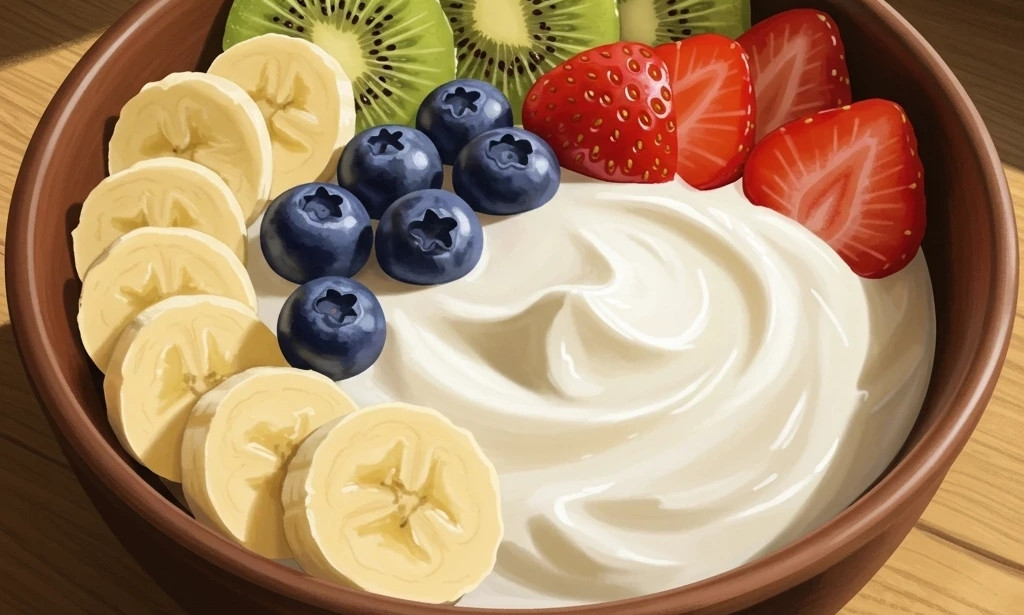
H2: Dahi with Fruit – A Dangerous Mix?
H3: Why People Love This Combination
Dahi with fruit is often marketed as:
A healthy breakfast
A weight-loss option
A quick energy meal
But this combination can be problematic.
H3: What Happens in Your Gut
Fruits digest quickly, while dahi digests slowly. When eaten together:
Fruits may ferment in the stomach
This leads to gas and bloating
Nutrient absorption may be reduced
H3: Potential Health Issues
Indigestion
Acidity
Skin issues like acne
Allergic reactions in sensitive individuals
H2: Dahi with Fish – A Controversial Combination
H3: The Traditional Warning
Many cultures advise against combining dahi with fish.
H3: Possible Reasons
While scientific evidence is limited, concerns include:
Different digestion rates
Risk of allergic reactions
Skin-related issues
H3: What Experts Say
Some nutritionists suggest that while not universally harmful, this combination may:
Trigger sensitivities in certain individuals
Lead to discomfort if consumed frequently
H2: Dahi with Meat – Heavier Than You Think

H3: Why It’s Popular
Dahi-based meat dishes like curries are common and delicious.
H3: The Hidden Problem
Both meat and dahi are heavy foods:
They require strong digestion
Combining them can overload the digestive system
H3: Possible Effects
Sluggish digestion
Bloating
Feeling of heaviness after meals
H2: Dahi with Sugar – A Silent Health Saboteur
H3: A Common Habit
Many people add sugar to dahi for taste.
H3: Why It’s Problematic
Sugar can:
Kill beneficial gut bacteria
Reduce probiotic effectiveness
Increase inflammation
H3: Health Risks
Weight gain
Blood sugar spikes
Reduced gut health benefits
H2: Eating Dahi at Night – Is It Really Safe?
H3: Traditional Beliefs
Many traditional systems advise against eating dahi at night.
H3: Scientific Perspective
At night:
Digestion slows down
Dahi may produce mucus in some people
It can cause throat irritation
H3: Who Should Avoid It
People with sinus issues
Those prone to cough or cold
Individuals with weak digestion
H2: Cold Dahi Straight from the Fridge
H3: Why This Is a Problem
Cold foods can:
Shock the digestive system
Slow down enzyme activity
H3: Better Alternative
Let dahi sit at room temperature before eating
Avoid consuming it ice-cold
Hidden Signs Your Dahi Habits Are Hurting You
You might not realize it, but your dahi consumption could be causing subtle health issues.
Watch Out for These Symptoms
Frequent bloating
Gas or acidity
Skin breakouts
White coating on tongue
Lethargy after meals
If you experience these regularly, your dahi combinations might be the cause.
How to Eat Dahi the Right Way
Now that we’ve discussed the risks, let’s focus on safe and healthy practices.
H2: Best Time to Eat Dahi
Morning or afternoon is ideal
Avoid late-night consumption
Eat when digestion is strongest
H2: Healthy Dahi Combinations
H3: Safe and Beneficial Pairings
Dahi with plain rice (in moderation)
Dahi with cumin (jeera)
Dahi with black salt
Dahi with cooked vegetables
H3: Why These Work
These combinations:
Support digestion
Enhance probiotic benefits
Reduce heaviness
H2: Tips to Maximize Dahi Benefits
Follow these simple rules:
Always eat fresh dahi
Avoid mixing with incompatible foods
Don’t overconsume
Prefer homemade dahi over processed versions
Add digestive spices like:
Roasted cumin
Black pepper
Mint
H2: Who Should Be Careful with Dahi?
Some individuals should consume dahi cautiously.
H3: Sensitive Groups
People with lactose intolerance
Those with chronic sinus issues
Individuals with weak digestion
People prone to skin allergies
H2: Debunking the “Sunnah Combination” Misconception
Many people believe that certain dahi combinations are automatically healthy because they are labeled as “Sunnah.”
H3: Important Clarification
Not every cultural or assumed Sunnah practice is universally applicable
Context, quantity, and individual health matter
H3: What You Should Focus On
Balance
Moderation
Personal body response
H2: The Science Behind Food Combining
Modern nutrition and traditional wisdom both highlight the importance of food compatibility.
H3: Key Principles
Eat foods with similar digestion times together
Avoid mixing heavy and light foods
Limit overly complex meals
H3: Why It Matters
Proper combinations:
Improve digestion
Prevent toxin buildup
Enhance nutrient absorption
H2: Frequently Asked Questions
H3: Can I eat dahi every day?
Yes, but:
In moderation
With proper combinations
H3: Is flavored yogurt safe?
Often not ideal due to:
Added sugars
Artificial ingredients
H3: Can I eat dahi for weight loss?
Yes, if:
You avoid sugar
Pair it with healthy foods
Conclusion
Dahi is undoubtedly a powerful and nutritious food—but only when consumed correctly.
The problem isn’t dahi itself; it’s the way we combine, time, and prepare it. Popular habits like mixing dahi with fruit, sugar, or heavy meals may seem harmless, but they can quietly disrupt your digestive system and overall health.
By understanding proper food combinations and listening to your body, you can enjoy dahi the way it was meant to be—beneficial, nourishing, and healing.
Final Takeaways
Dahi is healthy—but not with every food
Avoid mixing with fruits, sugar, and heavy proteins
Eat it during the day, not at night
Choose simple, digestible combinations
Pay attention to your body’s signals


You must be logged in to post a comment.