
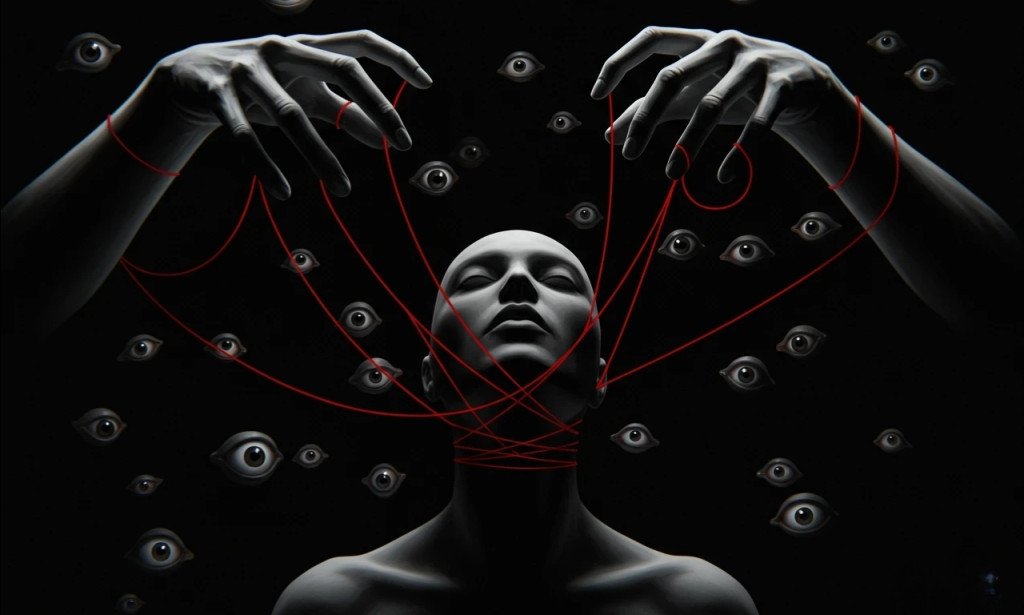
You’re Being Controlled Without Knowing It: 12 Silent Mind Hacks People Use on You Daily (And You Still Thank Them)

Introduction: The Invisible Strings Pulling Your Decisions
You like to believe your choices are your own.
What you buy, what you say “yes” to, who you trust—these feel like independent decisions. But beneath the surface, subtle psychological forces are constantly shaping your behavior. These aren’t loud manipulations. They don’t feel like control. In fact, they often feel helpful, kind, or even generous.
That’s what makes them dangerous.
From marketing strategies to everyday conversations, people use silent mind hacks to influence you—often without you realizing it. Even more unsettling? You frequently thank them for it.
This article breaks down 12 powerful psychological tactics used daily to guide your thoughts, decisions, and actions—and how you can protect yourself from being quietly controlled.
What Are Silent Mind Hacks?
Silent mind hacks are subtle psychological techniques designed to influence behavior without triggering resistance. Unlike aggressive persuasion, these methods operate under the radar, making them incredibly effective.
Why They Work So Well
They bypass critical thinking
They feel natural and harmless
They exploit deep-rooted cognitive biases
They often come disguised as kindness or logic
1. The Reciprocity Trap: “I Did Something for You…”
When someone does you a favor—even a small one—you feel obligated to return it.
How It Controls You
Free samples make you more likely to buy
Compliments increase compliance
Small favors lead to bigger requests
Real-Life Example
A coworker helps you with a minor task. Later, they ask you to cover their shift—even if it inconveniences you. You say yes, not because you want to, but because you feel you owe them.
How to Resist
Recognize the feeling of obligation
Pause before agreeing
Understand that kindness shouldn’t demand repayment
2. Social Proof: “Everyone Else Is Doing It”
Humans are wired to follow the crowd.
How It Controls You
Online reviews influence your purchases
Viral trends shape your opinions
Group behavior pressures conformity
Signs You’re Being Influenced
You trust something just because it’s popular
You feel uneasy going against the majority
How to Resist
Question the crowd
Seek independent evidence
Trust your own reasoning
3. Authority Bias: “Experts Know Best”
We tend to obey people who appear authoritative.
How It Controls You
Titles, uniforms, and credentials build trust
Confident tone overrides critical thinking
Everyday Examples
Doctors, influencers, or “experts” recommending products
Managers giving instructions without explanation
How to Resist
Ask questions
Verify credentials
Separate confidence from competence
4. The Scarcity Illusion: “Only 2 Left!”
When something seems limited, it becomes more desirable.
How It Controls You
Limited-time offers trigger urgency
“Low stock” warnings push quick decisions
Psychological Impact
Scarcity creates fear of missing out (FOMO), which overrides rational thinking.
How to Resist
Ask: “Would I want this if it weren’t limited?”
Delay your decision
Recognize artificial urgency
5. The Foot-in-the-Door Technique: “Just a Small Request…”
People are more likely to agree to a big request after accepting a small one.
How It Works
Small, easy request
Gradual escalation
Larger commitment
Example
Signing a petition → donating money → volunteering time
How to Resist
Evaluate each request independently
Don’t feel bound by past decisions
6. The Halo Effect: “They Seem Nice, So They Must Be Good”
We assume attractive or likable people are more trustworthy.
How It Controls You
Good looks influence hiring decisions
Friendly personalities gain your trust faster
Hidden Danger
You overlook flaws because of one positive trait.
How to Resist
Separate appearance from ability
Focus on evidence, not impressions
7. Emotional Anchoring: “Feel First, Think Later”
Your emotions are triggered before logic kicks in.
How It Controls You
Ads use music, stories, and visuals to create emotional responses
Emotional states influence decisions
Example
You buy something not because you need it—but because it made you feel good.
How to Resist
Identify emotional triggers
Wait before making decisions
Re-evaluate when calm
8. The Framing Effect: “It’s All in How It’s Said”
The way information is presented changes how you perceive it.
Example
“90% success rate” vs “10% failure rate”
Same data. Different reaction.
How It Controls You
Influences risk perception
Alters decision-making
How to Resist
Reframe the information yourself
Look at both positive and negative perspectives
9. Default Bias: “Just Go With the Pre-Selected Option”
People tend to stick with default choices.
How It Controls You
Subscription services auto-renew
Forms pre-check boxes
Why It Works
It requires less effort than changing the option.
How to Resist
Always review default settings
Make conscious choices
10. The Illusion of Choice: “You’re Choosing… But Not Really”
You’re given options—but all lead to the same outcome.
Example
“Do you want the standard package or premium?”
(No option to say no.)
How It Controls You
Creates a false sense of control
Limits real alternatives
How to Resist
Ask: “Is there a third option?”
Consider walking away entirely
11. Repetition Conditioning: “Say It Enough, It Becomes True”
The more you hear something, the more you believe it.
How It Controls You
Advertisements repeat messages
News cycles reinforce narratives
Psychological Effect
Familiarity breeds trust—even without evidence.
How to Resist
Question repeated claims
Seek diverse sources
12. The Guilt Lever: “Good People Would Say Yes”
Guilt is one of the strongest emotional manipulators.
How It Controls You
“After everything I’ve done for you…”
“You’re the only one who can help”
Why It Works
You want to maintain a positive self-image.
How to Resist
Separate guilt from responsibility
Set boundaries without over-explaining
Why You Still Thank Them
Here’s the unsettling truth:
Most of these tactics don’t feel manipulative. They feel helpful, normal—even kind.
That’s why you don’t resist them. That’s why you often appreciate them.
The Psychology Behind It
You value social harmony
You avoid conflict
You trust familiarity
In many cases, you’re not just being influenced—you’re participating in your own manipulation.
Signs You’re Being Subtly Controlled
Watch for these red flags:
You feel rushed into decisions
You agree without fully understanding why
You feel obligated rather than willing
You regret decisions shortly after making them
How to Take Back Control
Awareness is your strongest defense.
Practical Strategies
Pause before deciding
Give yourself time to think
Ask better questions
Who benefits from this decision?
Recognize emotional triggers
Don’t decide when overwhelmed
Set clear boundaries
You don’t owe everyone a “yes”
Think independently
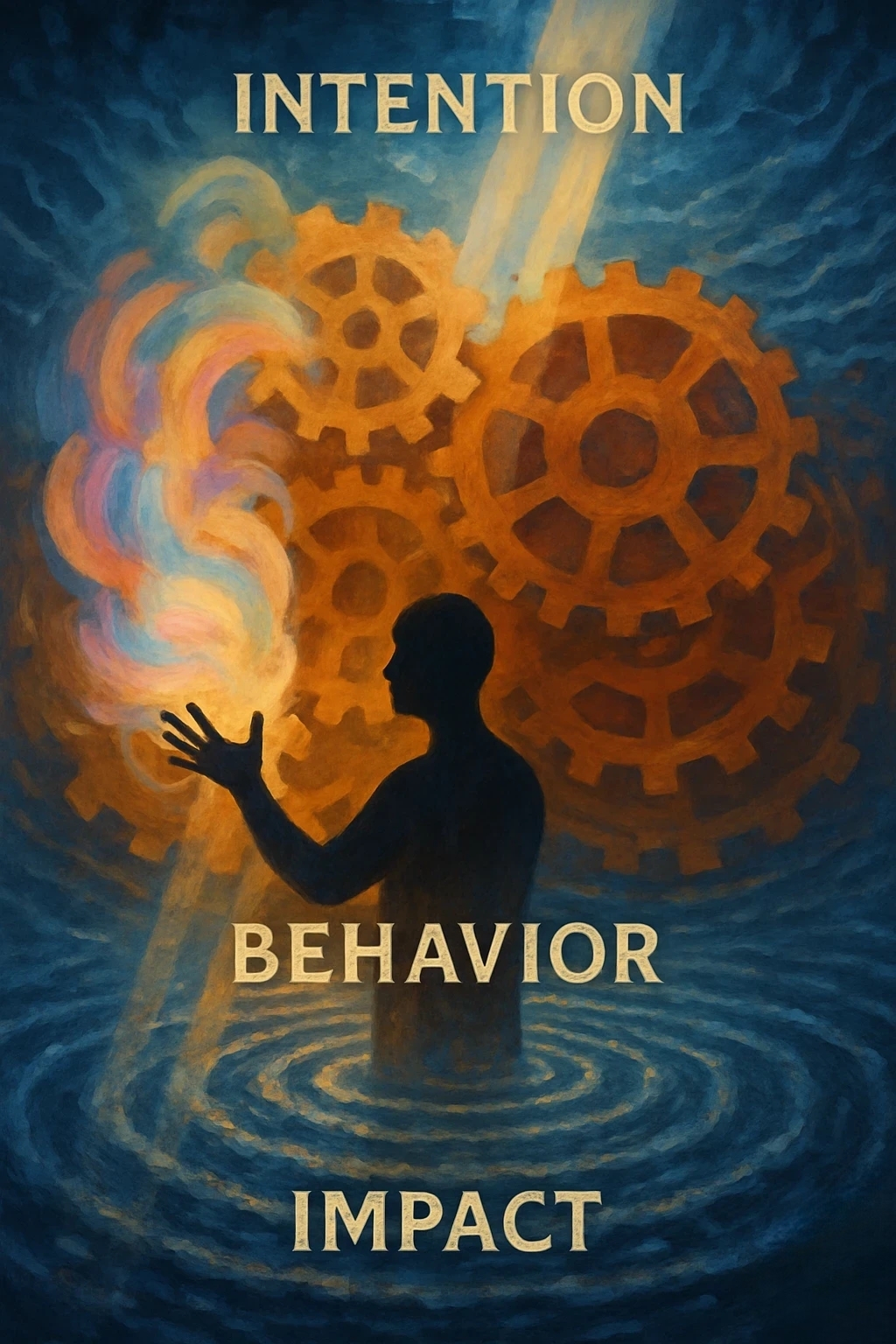
Don’t outsource your judgment
The Fine Line: Influence vs Manipulation
Not all influence is harmful.
Healthy Influence
Transparent
Respectful
Allows choice
Manipulation
Hidden intent
Emotional pressure
Limits freedom
Understanding the difference helps you navigate relationships without becoming overly defensive.
Final Thoughts: Awareness Changes Everything
You don’t need to become paranoid or distrust everyone.
But you do need to become aware.
Every day, subtle forces shape your thoughts and decisions. The moment you start recognizing them, their power begins to fade.
You stop reacting automatically.
You start choosing intentionally.
And that’s the difference between being controlled—and being in control.


You must be logged in to post a comment.