
Your Hair Is Warning You: Strange Hair Changes That Could Signal Hidden Disease
Introduction
Most people think hair problems are purely cosmetic. A little hair fall, dryness, thinning, or early graying often gets blamed on stress, age, weather, or bad shampoo. But your hair can act like a silent messenger from inside your body.
Long before serious illness becomes obvious, strange changes in your hair may quietly reveal that something deeper is happening. Hormonal imbalance, thyroid disease, nutrient deficiencies, autoimmune disorders, chronic stress, liver problems, and even certain cancers can leave clues in your hair and scalp.
Your body prioritizes survival over appearance. When something goes wrong internally, your hair is often one of the first things to suffer. Hair growth slows down, strands weaken, texture changes, and excessive shedding begins because the body redirects nutrients and energy toward essential organs.
Ignoring these signals can delay diagnosis and treatment.
This article explores unusual hair changes that may indicate hidden health conditions, why they happen, and when you should seek medical attention.
Why Hair Reflects Your Internal Health
Hair follicles are among the most active structures in the body. They require:
Protein
Iron
Zinc
Vitamins
Hormonal balance
Healthy blood circulation
Proper immune function
Because hair growth depends on so many systems working correctly, even small internal disturbances can show up in your hair.
Unlike skin, which can heal quickly, hair changes often develop slowly over weeks or months. That’s why many people fail to connect them with underlying illness.
Sudden Hair Thinning Could Signal Hormonal Problems
Thyroid Disorders
One of the most common hidden causes of unexplained hair thinning is thyroid dysfunction.
The thyroid gland controls metabolism, energy production, and cellular growth. When thyroid hormones become too low or too high, hair follicles are disrupted.
Common Hair Signs of Thyroid Disease
Diffuse thinning across the scalp
Dry, coarse hair
Hair that breaks easily
Loss of eyebrow hair
Slow hair growth
Increased shedding during washing
Other Symptoms Often Seen
Fatigue
Weight changes
Depression
Cold sensitivity
Brain fog
Constipation
Both hypothyroidism and hyperthyroidism can trigger hair loss.
Polycystic Ovary Syndrome (PCOS)
Women with PCOS often notice:
Hair thinning near the crown
Excess facial hair
Oily scalp
Acne
PCOS increases androgen hormones, which can shrink hair follicles and create male-pattern hair loss in women.
Many women ignore these early changes for years before diagnosis.
Menopause and Hormonal Decline
As estrogen levels drop during menopause:
Hair becomes thinner
Growth slows
Texture changes
Dryness increases
Hormones play a major role in maintaining thick, healthy hair. Sudden hormonal shifts can dramatically alter hair quality.
Excessive Hair Shedding May Reveal Severe Stress or Illness
Telogen Effluvium
This condition occurs when large numbers of hair follicles suddenly enter the resting phase.
The result is shocking hair shedding that may happen:
After illness
After surgery
Following childbirth
During emotional trauma
After rapid weight loss
During high stress
Hair may fall out in handfuls during showering or brushing.
COVID-19 and Post-Viral Hair Loss
Many people experience severe hair shedding several months after viral infections.
The body temporarily shuts down non-essential functions after illness, and hair growth is often affected.
Hair loss linked to infection usually appears 2–3 months later, making the connection difficult to recognize.
Chronic Psychological Stress
Stress hormones like cortisol can damage hair follicles over time.
Chronic stress may cause:
Increased shedding
Slower growth
Premature graying
Scalp inflammation
The body interprets prolonged stress as a survival threat, redirecting energy away from hair production.
Dry, Brittle Hair Could Mean Nutrient Deficiency
Iron Deficiency
Iron deficiency is one of the leading hidden causes of hair changes worldwide.
Hair follicles need oxygen-rich blood to grow properly. Without enough iron:
Hair becomes weak
Shedding increases
Growth slows
Texture becomes rough
Women with heavy menstrual cycles are particularly vulnerable.
Other Symptoms
Fatigue
Pale skin
Dizziness
Weakness
Cold hands and feet
Protein Deficiency
Hair is made primarily of keratin protein.
Crash dieting, eating disorders, or poor nutrition can cause:
Thin hair
Fragile strands
Hair breakage
Slow regrowth
The body sacrifices hair production when protein intake becomes inadequate.
Zinc Deficiency
Low zinc levels may trigger:
Hair thinning
Scalp irritation
Slow healing
White spots on nails
Zinc supports follicle repair and immune balance.
Vitamin D Deficiency
Research increasingly links low vitamin D to:
Hair shedding
Autoimmune hair loss
Weak follicles
Vitamin D helps regulate the hair growth cycle.
Patchy Hair Loss May Point to Autoimmune Disease
Alopecia Areata
This autoimmune disorder causes the immune system to attack hair follicles.
Signs include:
Round bald patches
Sudden hair loss
Smooth scalp areas
Beard patch loss in men
Hair can sometimes regrow, but recurring episodes are common.
Lupus
Lupus may trigger:
Patchy hair loss
Fragile hair
Scalp lesions
Permanent scarring
Because lupus affects the immune system, hair follicles may become damaged during inflammatory flare-ups.
Additional Symptoms
Joint pain
Fatigue
Skin rashes
Sun sensitivity
Psoriasis of the Scalp
Scalp psoriasis can lead to:
Thick scaly patches
Redness
Temporary hair loss
Intense itching
Severe inflammation may interrupt healthy hair growth.
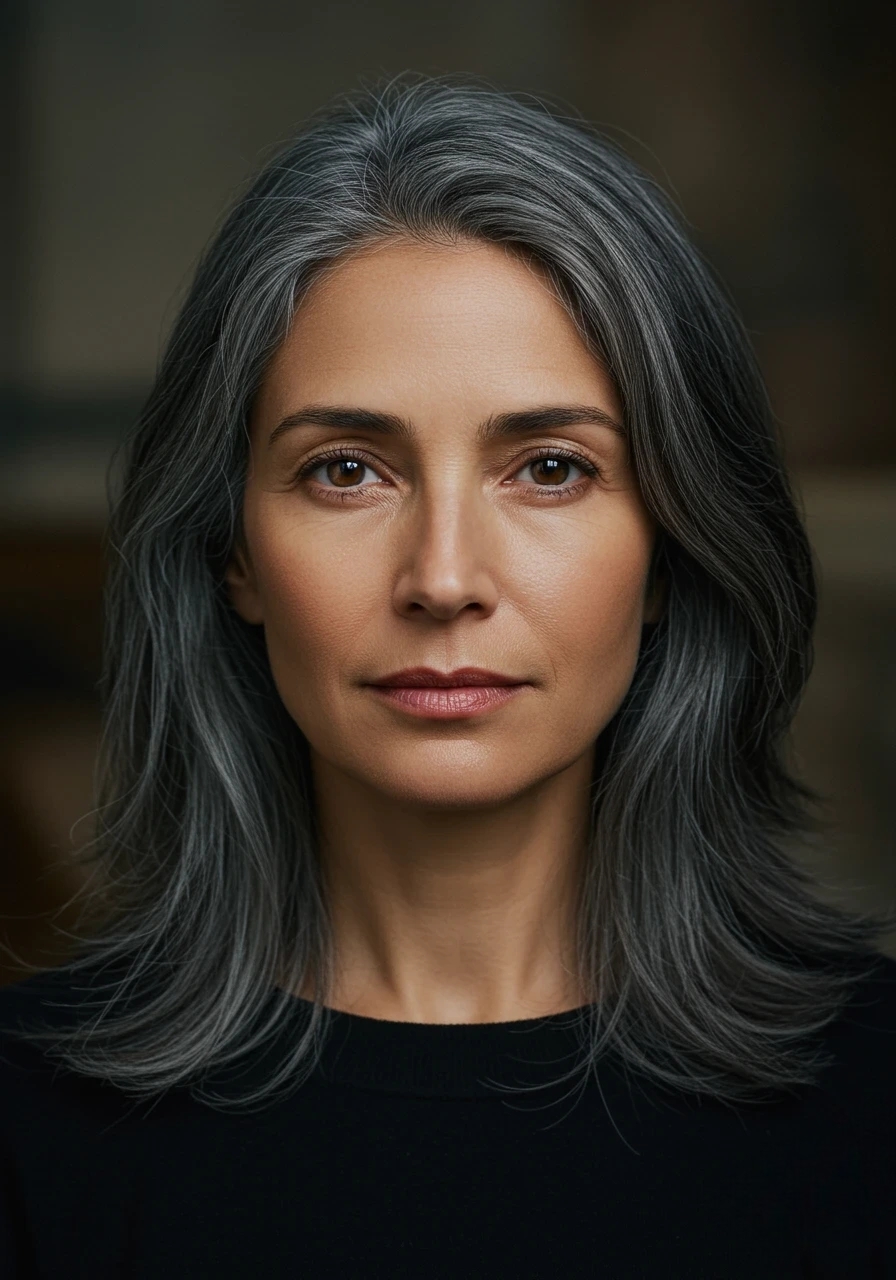
Premature Gray Hair Could Reflect Internal Imbalance
Vitamin B12 Deficiency
Low B12 levels may contribute to early graying.
This vitamin supports:
Red blood cell production
Nervous system health
Cellular repair
Deficiency may interfere with pigment-producing cells in hair follicles.
Oxidative Stress and Chronic Disease
High oxidative stress damages melanin-producing cells responsible for hair color.
Conditions linked with premature graying include:
Chronic inflammation
Smoking
Autoimmune disease
Nutritional deficiencies
Genetics vs Health Problems
Not all early graying is dangerous.
However, sudden or unusually rapid graying combined with fatigue, weakness, or neurological symptoms deserves medical attention.
Oily Hair and Scalp Changes Can Signal Deeper Problems
Seborrheic Dermatitis
An excessively oily scalp with flakes may indicate seborrheic dermatitis.
This inflammatory condition is associated with:
Hormonal imbalance
Stress
Immune dysfunction
Neurological disorders
Hormonal Imbalances
Overactive oil glands may reflect hormonal shifts involving:
Testosterone
Androgens
Cortisol
This often appears alongside acne and hair thinning.
Parkinson’s Disease Connection
Interestingly, excessively oily skin and scalp have sometimes been associated with neurological conditions like Parkinson’s disease due to changes in sebaceous gland activity.
Hair Texture Changes May Reveal Hidden Illness
Suddenly Curly or Straight Hair
Dramatic texture changes can occur due to:
Hormonal shifts
Chemotherapy
Thyroid disorders
Nutrient deficiencies
Many people report unexpected texture alterations after illness.
Fragile, Elastic Hair
Hair that stretches excessively before breaking may indicate structural weakness caused by:
Protein deficiency
Heat damage
Genetic disorders
Nutritional imbalance
Extremely Dry Hair
Persistent dryness despite proper care may reflect:
Hypothyroidism
Malnutrition
Liver disease
Essential fatty acid deficiency
Hair Loss Around the Temples Could Be a Serious Sign
Traction Alopecia
Tight hairstyles can damage follicles permanently.
Common causes include:
Tight ponytails
Braids
Extensions
Turbans or head coverings with tension
Early signs include thinning around the hairline.
Frontal Fibrosing Alopecia
This inflammatory condition causes progressive recession of the frontal hairline, especially in postmenopausal women.
It may also affect eyebrows.
Early diagnosis is important because permanent scarring can occur.
Scalp Itching and Burning Should Never Be Ignored
Fungal Infections
Scalp fungus can cause:
Itching
Hair breakage
Bald spots
Scaling
Children are particularly vulnerable.
Diabetes and Poor Circulation
Poor blood circulation associated with diabetes can affect scalp health and hair growth.
Symptoms may include:
Slow healing
Dry scalp
Thinning hair
Neurological Causes
Burning or tingling scalp sensations may sometimes involve nerve dysfunction or chronic stress disorders.
Hair Changes Linked to Serious Disease
Liver Disease
Liver dysfunction may affect nutrient processing and hormone balance, contributing to:
Hair thinning
Brittle strands
Body hair changes
Kidney Disease
Advanced kidney disease may lead to:
Dry hair
Color changes
Fragile texture
Diffuse thinning
Cancer and Hair Changes
While cancer itself may not always directly cause hair loss, some cancers trigger:
Sudden texture changes
Severe nutrient depletion
Hormonal disruption
Hair loss can also result from chemotherapy, radiation, and immune therapies.
Medications That Secretly Affect Your Hair
Many people never realize their medications are responsible for hair changes.
Common Drug Types Linked to Hair Problems
Blood Pressure Medications
Can trigger thinning or shedding.
Antidepressants
May disrupt hair growth cycles.
Blood Thinners
Sometimes increase hair fall.
Acne Medications
Certain retinoids can dry and weaken hair.
Chemotherapy Drugs
Rapidly attack fast-growing cells including hair follicles.
Warning Signs You Should Never Ignore
Seek medical evaluation if you notice:
Sudden severe shedding
Patchy bald spots
Hair loss with fatigue
Scalp pain or burning
Rapid texture changes
Hair loss with weight changes
Eyebrow thinning
Persistent scalp inflammation
Hair changes alone may not confirm disease, but they can provide important clues.
How Doctors Diagnose Hair-Related Illness
Medical evaluation may include:
Blood tests
Thyroid screening
Iron studies
Hormone testing
Vitamin level checks
Autoimmune testing
Scalp examination
Biopsy in severe cases
Proper diagnosis matters because treating the root cause often improves hair health.
Can Hair Recover After Illness?
In many cases, yes.
Hair follicles are surprisingly resilient when the underlying issue is treated early.
Recovery depends on:
Cause of damage
Duration of illness
Nutritional status
Hormonal balance
Stress levels
Some conditions cause temporary shedding, while others may lead to permanent follicle damage if ignored.
How to Support Healthier Hair Naturally
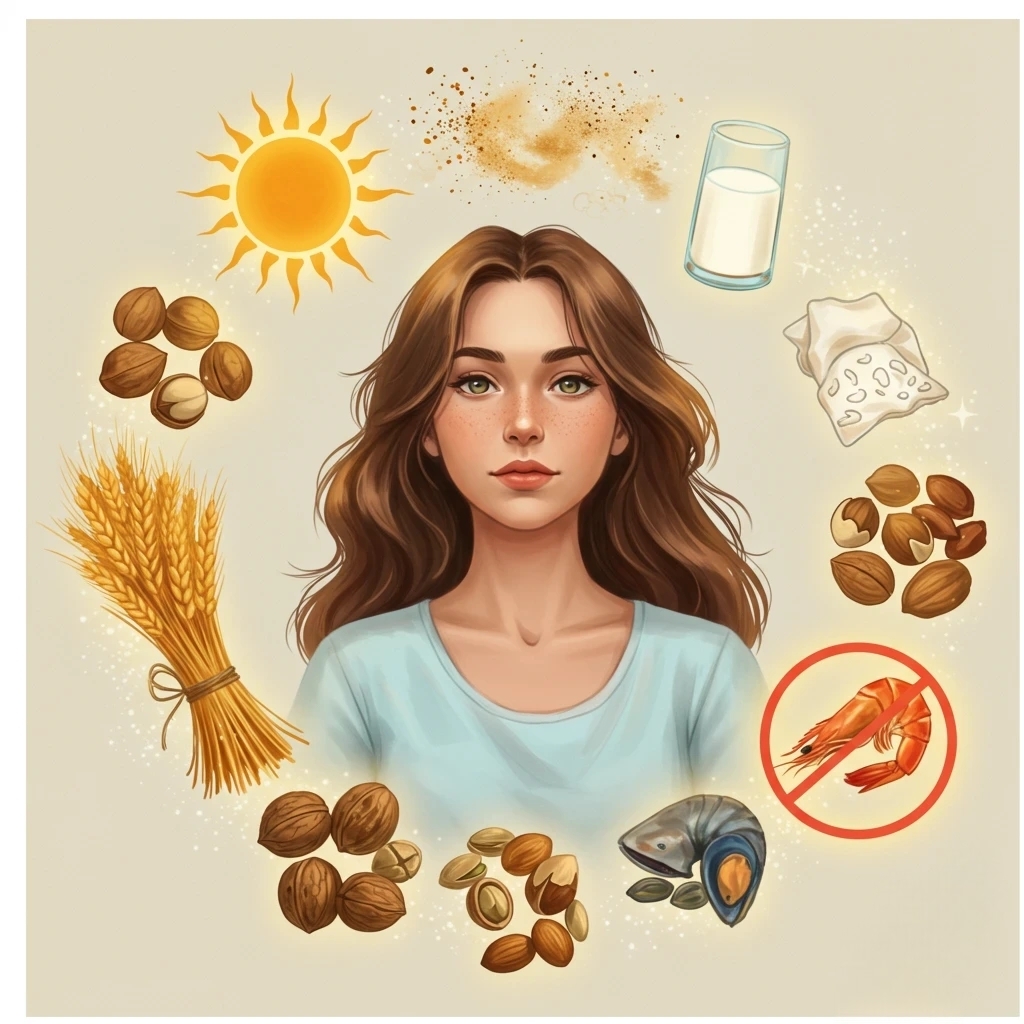
Prioritize Nutrition
Focus on:
Protein-rich foods
Iron sources
Zinc
Omega-3 fats
Vitamin D
B vitamins
Manage Stress
Stress reduction can help normalize the hair growth cycle.
Helpful strategies include:
Sleep improvement
Exercise
Meditation
Therapy
Relaxation techniques
Avoid Aggressive Hair Practices
Reduce:
Excessive heat styling
Tight hairstyles
Harsh chemicals
Over-bleaching
Treat Medical Conditions Early
Ignoring symptoms may worsen both hair damage and underlying disease.
Early treatment offers the best chance of recovery.
The Psychological Impact of Hair Changes
Hair is closely tied to identity, confidence, and self-image.
Unexpected hair loss can cause:
Anxiety
Depression
Social withdrawal
Low self-esteem
Because of this emotional impact, hair changes should never be dismissed as “just cosmetic.”
For many people, hair loss becomes the first visible sign that something inside the body needs attention.
Conclusion
Your hair is more than a beauty feature. It can act as an early warning system for hidden disease, nutritional imbalance, hormonal disruption, chronic stress, and immune dysfunction.
Sudden thinning, brittle texture, patchy bald spots, unexplained shedding, or dramatic scalp changes should not always be ignored or covered up with cosmetic products.
Sometimes the body whispers before it screams.
Paying attention to strange hair changes may help detect deeper health problems earlier — before more serious symptoms appear.
Healthy hair often reflects a healthier body. And when your hair suddenly changes without explanation, it may be your body’s way of asking you to look deeper.
Frequently Asked Questions (FAQs)
1. Can hair loss really be a sign of serious disease?
Yes. While hair loss is often linked to genetics or aging, sudden or unusual hair changes can sometimes signal underlying health problems such as thyroid disorders, iron deficiency, autoimmune diseases, hormonal imbalance, or chronic stress.
2. What vitamin deficiencies commonly cause hair problems?
Several nutrient deficiencies may affect hair health, including:
Iron deficiency
Vitamin D deficiency
Vitamin B12 deficiency
Zinc deficiency
Protein deficiency
These deficiencies can lead to thinning, excessive shedding, brittle hair, and slow growth.
3. When should I see a doctor about hair loss?
You should seek medical advice if you experience:
Sudden severe shedding
Patchy bald spots
Scalp pain or burning
Hair loss with fatigue or weight changes
Rapid thinning without family history
Eyebrow or body hair loss
These symptoms may indicate an underlying medical condition.
4. Can stress really make your hair fall out?
Yes. Chronic stress can push hair follicles into a resting phase, leading to excessive shedding known as telogen effluvium. Hair loss from stress often appears several weeks or months after emotional or physical stress.
5. Is premature gray hair always caused by genetics?
Not always. Genetics play a major role, but early graying can also be linked to vitamin B12 deficiency, oxidative stress, smoking, thyroid problems, and certain autoimmune conditions.
6. Can hair grow back after treating the underlying problem?
In many cases, yes. Hair often improves once the root cause — such as nutrient deficiency, hormonal imbalance, or illness — is properly treated. However, some conditions causing scarring or permanent follicle damage may lead to irreversible hair loss if left untreated for too long.


You must be logged in to post a comment.