
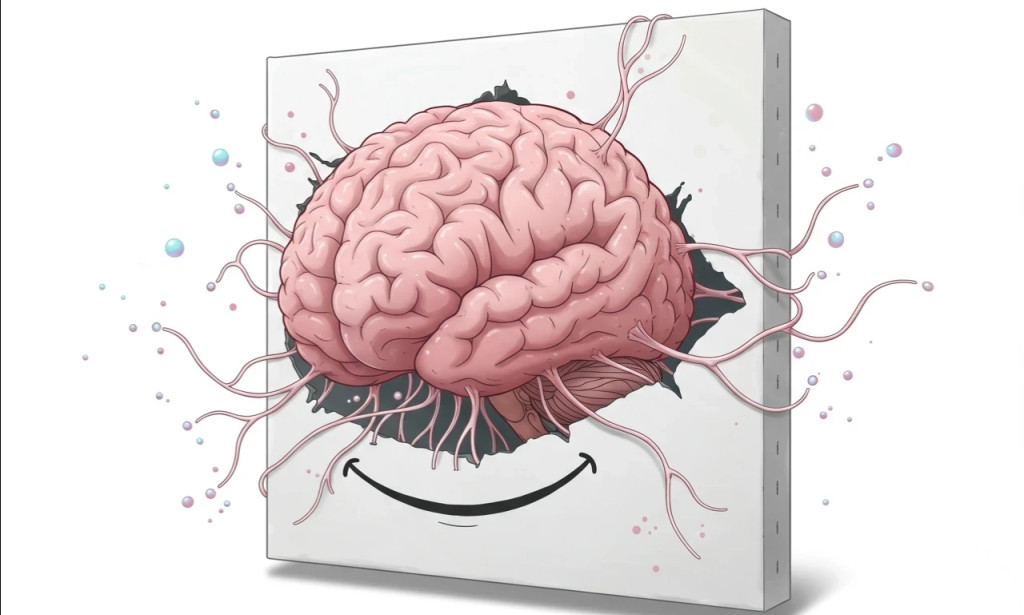
Your Brain Is Being Hijacked Daily: The Hidden Sugar–Dopamine Loop That’s Quietly Rewiring Your Mind

Introduction
You’re not just “craving something sweet.”
You’re caught in a powerful neurological loop—one that’s quietly reshaping your brain, your habits, and even your personality.
Every time you reach for sugar, your brain releases dopamine—the same “feel-good” chemical linked to pleasure, reward, and motivation. But here’s the disturbing truth: this isn’t just a harmless reward system. Over time, it becomes a feedback loop that conditions your brain to crave more, need more, and depend on more.
This is the sugar–dopamine loop—a subtle but powerful process that operates daily, often without your awareness. And the longer it runs unchecked, the more it rewires your brain.
In this deep dive, you’ll uncover:
The science behind sugar and dopamine
How this loop hijacks your behavior
Hidden signs your brain is already affected
Practical ways to break free before it takes control
What Is the Sugar–Dopamine Loop?
The Basic Mechanism
At its core, the sugar–dopamine loop is a biological feedback cycle:
You consume sugar
Your brain releases dopamine
You feel pleasure and reward
Your brain remembers the source
You crave it again
This loop reinforces itself with every repetition.
Why Dopamine Matters
Dopamine isn’t just about pleasure—it’s about learning and motivation.
It teaches your brain what to seek
It strengthens habits
It prioritizes rewards over long-term thinking
When sugar becomes a primary dopamine trigger, your brain starts to prioritize it above healthier behaviors.
Why Sugar Is So Addictive
It Hits Fast—and Hard
Unlike complex foods, sugar:
Enters the bloodstream quickly
Causes rapid spikes in blood glucose
Triggers immediate dopamine release
This instant gratification is what makes sugar uniquely addictive.
It Bypasses Natural Controls
Whole foods come with fiber, fat, and protein that slow absorption. Sugar—especially processed sugar—bypasses these controls.
This leads to:
Faster dopamine spikes
Stronger reward signals
Increased dependency
The Brain Rewiring Effect
Neuroplasticity: Your Brain Is Always Changing
Your brain constantly adapts based on behavior. This is called neuroplasticity.
Repeated sugar consumption:
Strengthens reward pathways
Weakens impulse control circuits
Increases sensitivity to cravings
What Changes Over Time?
With chronic exposure, your brain:
Requires more sugar for the same pleasure
Becomes less responsive to natural rewards
Develops compulsive seeking behavior
This is similar to patterns seen in addictive substances.
The Hidden Cycle: Crave → Consume → Crash → Repeat
Step 1: The Craving
Triggered by:
Stress
Boredom
Emotional discomfort
Environmental cues (ads, smells, habits)
Step 2: The Consumption
You eat sugar and experience:
A dopamine spike
Temporary mood boost
Increased energy
Step 3: The Crash
Shortly after:
Blood sugar drops
Energy crashes
Mood declines
Step 4: The Repeat
Your brain seeks relief—by craving sugar again.
This creates a self-sustaining loop.
Signs Your Brain Is Already Being Hijacked
Behavioral Signs
You crave sweets even when not hungry
You feel “rewarded” after sugar consumption
You struggle to stop once you start
You eat sugar in response to stress
Mental Signs
Brain fog
Reduced focus
Irritability without sugar
Mood swings
Physical Signs
Energy spikes and crashes
Increased hunger
Weight fluctuations
Poor sleep quality
Sugar vs. Natural Rewards

The Problem With Artificial Intensity
Natural rewards (like social interaction or achievement) release dopamine gradually.
Sugar delivers a high-intensity spike, which:
Overstimulates the brain
Makes natural rewards feel dull
Shifts your motivation system
The Long-Term Impact
Over time:
You lose interest in slower, meaningful activities
You seek quick fixes instead
Your attention span decreases
The Emotional Trap: Sugar as Comfort
Why We Turn to Sugar
Sugar isn’t just physical—it’s emotional.
It’s often used to:
Cope with stress
Escape discomfort
Replace emotional fulfillment
The Dangerous Reinforcement
Each time sugar “solves” a negative emotion:
The brain strengthens the association
Emotional dependency increases
Alternative coping mechanisms weaken
The Role of Processed Foods
Hidden Sugar Everywhere
Modern diets are filled with added sugars:
Soft drinks
Packaged snacks
Breakfast cereals
Sauces and condiments
Many people consume sugar without realizing it.
Why This Makes It Worse
Frequent exposure:
Keeps dopamine levels artificially elevated
Prevents recovery of normal sensitivity
Locks you deeper into the loop
The Dopamine Tolerance Effect
What Is Tolerance?
Over time, your brain becomes less sensitive to dopamine.
This means:
You need more sugar to feel the same pleasure
Smaller amounts no longer satisfy
Cravings intensify
The Downward Spiral
This leads to:
Increased consumption
Reduced satisfaction
Stronger dependency
How This Affects Your Decision-Making
The Shift in Priorities
The brain begins to favor:
Immediate rewards
Short-term pleasure
Habit-driven choices
Over:
Long-term goals
Discipline
Rational thinking
Impulse Control Weakens
Repeated dopamine spikes:
Reduce activity in the prefrontal cortex
Impair self-control
Increase impulsive behavior
Sugar and Mental Health
Mood Instability
Blood sugar fluctuations can cause:
Anxiety
Irritability
Sudden mood drops
Increased Risk of Depression
Chronic sugar consumption is linked to:
Reduced dopamine baseline levels
Lower motivation
Emotional fatigue
The Illusion of “Just a Treat”
Why Moderation Is Hard
The phrase “just one bite” often fails because:
Sugar triggers powerful neural responses
It overrides rational control
It reactivates dormant cravings
The Slippery Slope
One small indulgence can:
Reactivate the loop
Restart cravings
Undo progress
Breaking the Sugar–Dopamine Loop
Step 1: Awareness
Recognize:
Your triggers
Your habits
Your emotional patterns
Awareness weakens automatic behavior.
Step 2: Reduce Gradually
Instead of quitting abruptly:
Cut down added sugars slowly
Replace sugary snacks with whole foods
Avoid extreme restrictions
Step 3: Stabilize Blood Sugar
Focus on balanced meals:
Protein
Healthy fats
Fiber
This reduces spikes and crashes.
Step 4: Rewire Your Reward System
Replace sugar with healthier dopamine sources:
Exercise
Sunlight exposure
Social connection
Achieving small goals
Step 5: Manage Emotional Triggers
Develop alternatives to sugar:
Journaling
Deep breathing
Physical activity
Talking to someone
Step 6: Improve Your Environment
Remove easy access to sugar:
Don’t keep sugary snacks at home
Read food labels carefully
Plan meals in advance
The Recovery Timeline
What Happens When You Cut Back
First Few Days:
Cravings intensify
Mood may drop
Energy fluctuates
After 1–2 Weeks:
Cravings decrease
Energy stabilizes
Focus improves
After 1 Month:
Taste sensitivity resets
Natural foods become more satisfying
Emotional stability improves
The Long-Term Benefits
Breaking the loop leads to:
Better mental clarity
Stable energy levels
Improved mood
Stronger self-control
Reduced cravings
Your brain begins to reset its reward system.
Myths About Sugar and the Brain
Myth 1: “Sugar Addiction Isn’t Real”
While not identical to drug addiction, sugar:
Activates similar brain pathways
Produces dependency-like behavior
Alters brain chemistry
Myth 2: “Natural Sugar Is Always Safe”
Even natural sugars can:
Trigger dopamine spikes
Contribute to overconsumption
Affect sensitive individuals
Myth 3: “I Can Quit Anytime”
If it were that simple:
Cravings wouldn’t persist
Habits wouldn’t form
Relapses wouldn’t occur
The difficulty itself is proof of the loop.
Practical Daily Habits to Stay Free
Start your day with protein, not sugar
Stay hydrated
Get consistent sleep
Avoid skipping meals
Keep healthy snacks available
Limit exposure to sugary triggers
Conclusion
The sugar–dopamine loop isn’t just about food—it’s about control.
Every repeated cycle strengthens neural pathways that push you toward short-term pleasure and away from long-term well-being. Left unchecked, it quietly reshapes your behavior, your focus, and your emotional stability.
But the brain is not fixed. It can change—just as easily as it was rewired.
By understanding the loop, recognizing your patterns, and taking deliberate steps, you can reclaim control. You can retrain your brain to seek healthier rewards, restore balance, and break free from the cycle.
The question isn’t whether your brain is being influenced—it is.
The real question is: Are you going to take it back?
Frequently Asked Questions (FAQs)
1. Is sugar really addictive for the brain?
Yes—while it’s not classified the same as drugs, sugar strongly activates the brain’s reward system. It triggers dopamine release, which reinforces cravings and repeated behavior. Over time, this can feel very similar to addiction.
2. How does the sugar–dopamine loop actually work?
When you consume sugar, your brain releases dopamine, creating a feeling of pleasure. This encourages you to repeat the behavior. Frequent sugar intake strengthens this loop, making cravings more intense and automatic.
3. How long does it take to break sugar cravings?
Most people notice reduced cravings within 7–14 days of lowering sugar intake. However, fully resetting your habits and brain response may take a few weeks depending on consistency and lifestyle.
4. Can I eat sugar occasionally without harming my brain?
Yes. Occasional sugar consumption is generally fine if your overall diet is balanced. The problem arises with frequent, high intake, which keeps the dopamine loop active.
5. Are artificial sweeteners a better alternative?
Artificial sweeteners can reduce calorie intake, but they may still trigger cravings in some individuals. They don’t always break the psychological habit of seeking sweetness, so moderation is important.
6. Why do I crave sugar more at night?
Nighttime cravings are often caused by:
Low energy after a long day
Emotional stress or fatigue
Habitual eating patterns
Your brain seeks a quick dopamine boost, making sugar especially tempting in the evening.


You must be logged in to post a comment.