

Have you ever spotted that eye on the dollar bill and wondered who really pulls the strings? The Illuminati grips people's imagination like few other ideas. This secret society sparks endless talk in movies, songs, and online chats. Is it just a dusty old tale from history books, or does a hidden group still shape world events today? We aim to sort out real facts from wild stories in this piece. Think of it as a guide through the fog of Illuminati lore, touching on the secret society, conspiracy theory, and more. You'll see how a small 18th-century club turned into a global boogeyman.
The Historical Reality: Founding and Purpose of the Bavarian Illuminati
The real Illuminati started as a short-lived group in Europe. It had clear goals tied to big ideas of its time. Let's break down its true beginnings to understand why myths grew later.
The Genesis Under Adam Weishaupt (1776)
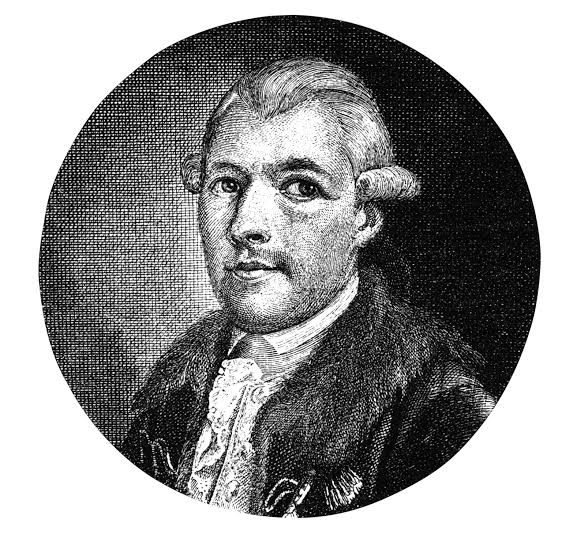
Adam Weishaupt founded the Bavarian Illuminati on May 1, 1776, in Ingolstadt, a town in Bavaria, Germany. He was a professor who wanted to fight superstition and blind faith. Weishaupt dreamed of a world run by reason alone. He saw the church and kings as roadblocks to progress. So, he built this group to spread Enlightenment values like science and free thought. Members took secret oaths to keep things hidden from prying eyes. At first, it grew fast, pulling in thinkers and officials. But it stayed small, with maybe a few thousand at its peak.
Early Structure and Philosophical Underpinnings
The group copied some Freemason ways but added its own twists. It had levels like Novice, Minerval, and Illuminatus Major. Higher ranks knew more secrets and led the charge. Weishaupt drew from books by John Locke and Voltaire. These writers pushed for rights, logic, and less church control. In the late 1700s, Europe buzzed with change. Kings ruled with iron fists, and the church held sway over minds. The Illuminati wanted to chip away at that power. They met in shadows to plan reforms, not plots. Their aim? A fairer society through smarts and debate.
Suppression and Dissolution by Bavarian Authorities
Trouble hit in the 1780s. Bavarian leaders grew wary of secret clubs. Elector Karl Theodor banned them in 1785 with strict edicts. He feared they stirred unrest. Officials raided homes and seized papers. Weishaupt fled, and the group fell apart. Records show it ended for good by 1787. No proof exists of any revival back then. Historians rely on court files and member lists for this. The original Illuminati died out, leaving just echoes in history.
The Transatlantic Transformation: From Bavaria to Global Myth
What turned a failed club into a worldwide legend? Blame politics, books, and fear. Over time, stories crossed oceans and twisted facts.
The Role of the French Revolution in Spreading Suspicion
The French Revolution of 1789 shook the world. Heads rolled, and old orders crumbled. Some blamed the Illuminati for the mess. Writers like Abbé Barruel in France penned books in 1797. He claimed the group sparked the uprising from afar. John Robison, a Scottish author, wrote "Proofs of a Conspiracy" in 1798. Both saw Illuminati ideals as the root of chaos. They mixed real group papers with wild guesses. This fear spread to America and Britain fast. People linked secret societies to revolution. Suddenly, a dead group seemed alive and dangerous.
Integrating into Established Conspiratorial Frameworks
The Illuminati tale blended with other scares. Freemasons already faced hate for their rituals. Add in worries about Jewish bankers or atheist plots. By the early 1800s, it fit right in. Folks saw shadows everywhere. The myth grew legs as a catch-all for bad events. No hard links, but the story stuck.
The 19th Century: Dormancy and Re-Emergence in Fiction
For decades, the Illuminati slept in real life. But books kept it kicking. Novels like "The Illuminati" by Leo Taxil in 1890s France played it up. Sensational papers ran tales of hidden cabals. In America, it popped in anti-Catholic rants. Writers used it for drama, not truth. By century's end, it was more ghost story than fact. Still, these tales planted seeds for later booms.
Modern Manifestations: Pop Culture, Symbols, and Celebrity Endorsement

Today, the Illuminati lives in screens and stars. Symbols and songs keep the buzz alive. But is it real influence or just clever marketing?
Decoding the Imagery: Eyes, Pyramids, and Secrecy
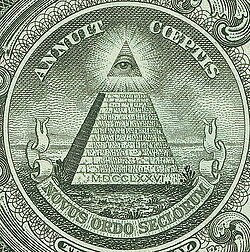
That all-seeing eye? It's from the U.S. Great Seal of 1782, meant for divine watch, not secrets. The pyramid below shows strength unfinished. Owls tie to old wisdom gods, not plots. People mash these up with Illuminati claims. Freemasons used them too, but no direct link. Online, photos twist history. Check sources before you buy in.
The Illuminati in the Music Industry: Celebrity Allegations
Stars like Jay-Z and Beyoncé get hit with claims. Jay-Z's hand sign? It's a diamond, not a triangle code. Beyoncé's videos use dark looks for edge. Artists play with symbols for hype. It sells records. To spot fakes, watch for patterns. Does it match real history? Often, it's just art. Ask: Who gains from the rumor? Usually, the celeb does.
The Illuminati and Global Events: "False Flag" Narratives
Theories tie the group to big shocks, like JFK's death or 2008 crashes. Fans say it's all staged by puppet masters. But no docs back it. Investigations point to lone actors or market fails. "False flags" sound neat, but lack proof. Real power hides in plain sight, like big corps or lobbies.
The Psychological Appeal of the Illuminati Conspiracy
Why does this stick when other tales fade? Our brains love simple answers. It fills gaps in a messy world.
Addressing Uncertainty and Complexity
Life throws curveballs: wars, pandemics, crashes. Conspiracy theories offer one villain. The Illuminati explains it all. It gives comfort in chaos. You feel less lost when there's a plan, even a bad one.
Confirmation Bias and Echo Chambers
Social media feeds what you like. Search Illuminati, and more pops up. Forums link UFOs to it. Groups form where doubts vanish. A 2023 study showed 20% of folks buy some conspiracy. It builds walls around beliefs.
The Thrill of Knowing the "Secret Truth"
Believers feel special. They know what "sheeple" don't. It boosts ego and bonds friends. Like a club for the awake. But it can blind you to real facts.
Separating Fact from Fiction: How to Investigate Secret Societies Critically
Don't just swallow stories. Learn tools to check claims. This helps with any secret society talk.
Verifying Primary Sources vs. Secondary Claims
Hunt original docs. Use sites like Google Books for old texts. Skip YouTube rants. Academic spots like JSTOR have solid papers. If a claim traces to a blog, dig deeper.
Understanding the Burden of Proof
No proof of secrets doesn't mean they hide. That's a common trap. Demand clear evidence, like names or meetings. What would change your mind? List it out.
Differentiating Secret Societies from Influence Networks
Old Illuminati was small and open about goals. Today's power? Think open groups like the World Economic Forum. They meet publicly. Bilderberg talks yearly, but docs leak. Real nets lobby, not plot in dark.


You must be logged in to post a comment.