

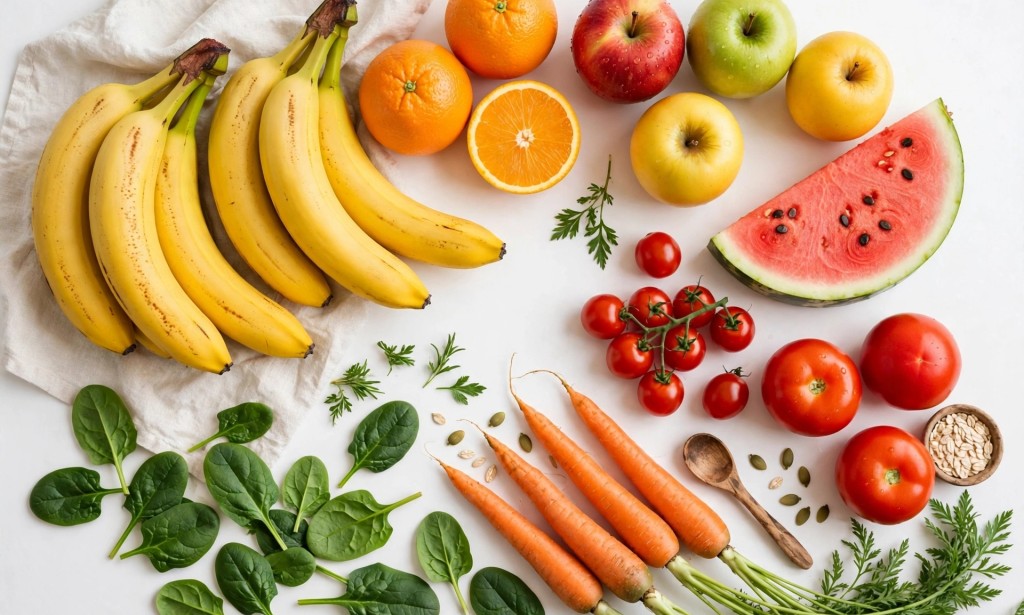
10 Health Benefits of Eating Fruits and Vegetables Every Day
Fruits and vegetables are nature's gifts to our health. They are packed with vitamins, minerals, fibre, and other essential nutrients that help keep our bodies healthy and strong.
Eating fruits and vegetables regularly is one of the simplest ways to improve your diet and support a healthy lifestyle. From oranges and bananas to ugu, carrots, and tomatoes, these everyday foods provide nutrients that our bodies need.
Why Fruits and Vegetables Are Important
Unlike many highly processed foods, fruits and vegetables naturally provide important nutrients without containing excessive added sugar, salt, or unhealthy fats.
They provide vitamins, minerals, antioxidants, and dietary fibre that support the immune system, promote healthy digestion, and help different organs function properly.
Health experts generally recommend eating at least five portions of fruits and vegetables daily. A variety of colours can also help you enjoy a wider range of nutrients.
Health Benefits of Fruits
Fruits are naturally sweet, delicious, and nutritious. Different fruits provide different health benefits.
- Bananas: Provide potassium, fibre, and carbohydrates that support energy production and normal muscle and heart function.
- Oranges: Rich in vitamin C, which supports the immune system and helps the body maintain healthy skin.
- Pineapples: Contain vitamin C, manganese, and other nutrients that support normal body functions.
- Mangoes: Provide vitamins A and C, which support healthy vision, skin, and immune function.
- Pawpaw: Contains vitamin C, fibre, and other nutrients that support digestion and general health.
- Watermelon: Has a high water content, helping you stay hydrated, especially during hot weather.
- Apples and guava: Provide dietary fibre, which supports digestion and helps you feel full.
Health Benefits of Vegetables
Vegetables are another important part of a balanced diet. They provide fibre, vitamins, minerals, and plant compounds that help protect your overall health.
- Ugu and spinach: Provide vitamins, minerals, and antioxidants that support general health.
- Bitter leaf: Contains fibre and various plant compounds that contribute to a nutritious diet.
- Carrots: Rich in beta-carotene, which the body converts into vitamin A to support normal vision and healthy skin.
- Tomatoes: Contain vitamin C, potassium, and lycopene, an antioxidant that supports overall health.
- Okra: Provides dietary fibre that supports healthy digestion.
- Cucumber: Contains plenty of water and provides a refreshing, low-calorie addition to meals.
- Cabbage and lettuce: Provide fibre, vitamins, and other nutrients that contribute to a balanced diet.
What Happens When You Don't Eat Enough Fruits and Vegetables?
If your diet regularly lacks fruits and vegetables, you may miss out on important vitamins, minerals, and dietary fibre.
Over time, a diet low in these foods may contribute to:
- Constipation and poor digestive health.
- Insufficient intake of certain vitamins and minerals.
- Difficulty maintaining a healthy body weight.
- An increased risk of certain long-term health problems.
A balanced diet that includes enough fruits and vegetables can help reduce the risk of conditions such as heart disease, stroke, and some types of cancer. However, eating these foods does not guarantee that you will never become sick.
Easy Ways to Eat More Fruits and Vegetables
You do not need an expensive diet plan to eat more healthily. Here are some simple ways to include fruits and vegetables in your everyday meals:
- Add sliced bananas, pawpaw, or watermelon to your breakfast.
- Include more ugu, carrots, tomatoes, and other vegetables in your soups and stews.
- Enjoy whole fruits instead of frequently drinking sugary soft drinks.
- Snack on oranges, apples, guava, or other available fruits.
- Add vegetables to rice, beans, yam, and other meals.
- Eat a variety of colourful fruits and vegetables to enjoy different nutrients.
Fresh fruit is a good option, but frozen and properly prepared vegetables can also be nutritious. Wash fruits and vegetables properly before eating or cooking them.
Final Thoughts
You do not need expensive supplements to start improving your diet. Your local market may already have many nutritious options, including oranges, pawpaw, ugu, okra, tomatoes, carrots, and watermelon.
Make fruits and vegetables a regular part of your meals. Eat different varieties, maintain a balanced diet, drink enough water, and combine healthy eating with regular physical activity.
Your health deserves attention every day. Start with the simple foods available around you and build healthier eating habits one meal at a time.


You must be logged in to post a comment.