
How to Make Money Trading in 2026: 7 Steps Every Beginner Should Know
Have you ever wondered how people make money trading Forex, gold, stocks, or cryptocurrencies? Today, millions of people follow financial markets, hoping to benefit from changes in prices. But while trading can be profitable for some people, it can also lead to significant financial losses.
The truth is that successful trading requires knowledge, patience, discipline, and risk management. There is no secret strategy that guarantees profits.
If you are interested in becoming a trader, here are seven steps that can help you understand the process and prepare more responsibly.
1. Choose a Market to Trade
The first step is deciding which financial market you want to learn.
Some popular markets include:
- Forex: Trading currency pairs such as EUR/USD and GBP/JPY.
- Gold: Trading instruments linked to the price of gold.
- Stocks: Buying and selling shares in publicly traded companies.
- Cryptocurrencies: Trading digital assets such as Bitcoin.
Each market behaves differently and has its own risks, costs, and trading hours.
As a beginner, consider learning one market first instead of trying to trade everything at once.
2. Learn How to Analyse the Market
Traders use different methods to study price movements and identify potential opportunities.
Technical analysis involves studying charts, trends, support and resistance, and candlestick patterns.
Fundamental analysis focuses on factors such as economic data, interest rates, company performance, and major financial events.
For example, a Forex trader might study the daily chart to understand the overall trend and then examine the four-hour chart for a possible trading setup.
However, market analysis cannot predict the future with certainty. A good-looking setup can still result in a loss.
3. Develop a Trading Strategy
A trading strategy is a set of rules that helps you decide when to enter and exit a trade.
Your strategy should explain:
- What market conditions you are looking for.
- What must happen before you enter a trade.
- Where you will place your stop-loss.
- Where you plan to take profit.
- How much money you are willing to risk.
For example, a trend-following strategy might look for buying opportunities when the market is moving upward and selling opportunities when it is moving downward.
Test your strategy using historical charts and a demo account before considering real-money trading.
Do not assume that a strategy is profitable simply because it worked on a few trades.
4. Protect Your Money With Risk Management
Risk management is one of the most important skills a trader can develop.
Suppose you have a trading account worth $100 and decide to risk 1% on a trade.
Your planned risk would be:
$100 × 1% = $1.
This means you would plan the position so that the intended loss is approximately $1 if your stop-loss executes at its specified price. Actual losses can be larger because of slippage, market gaps, and trading costs.
Never risk money you need for food, rent, school fees, or other essential expenses.
Protecting your capital matters because even experienced traders experience losing trades.
5. Understand the Risk-to-Reward Ratio
The risk-to-reward ratio compares your potential loss with your potential profit.
Imagine you plan to risk $10 on a trade while targeting a potential profit of $20.
Your risk-to-reward ratio is 1:2.
This means the potential reward is twice the amount you plan to risk.
However, a 1:2 ratio does not guarantee that you will make money. Your overall performance also depends on your winning percentage, average losses, and trading costs.
The key is to follow a tested strategy rather than expect every trade to be profitable.
6. Control Your Emotions
Fear, greed, and impatience can lead to poor trading decisions.
For example, after losing money, a trader might immediately open another position to recover the loss. This is known as revenge trading.
Another trader might become overconfident after winning and begin risking too much money.
To avoid these mistakes:
- Follow your written trading plan.
- Avoid trading out of frustration.
- Do not chase every price movement.
- Accept that losing trades are part of trading.
- Keep a journal of your decisions and results.
Trading discipline does not eliminate losses, but it can help you avoid unnecessary risks.
7. Start Small and Keep Learning
Before using real money, consider practising with a demo account.
A demo account allows you to learn how to place trades, calculate position sizes, and use stop-loss orders without risking actual capital.
Keep records of your trades and review your performance regularly.
If you eventually decide to trade with real money, use only money you can afford to lose and start with a level of risk appropriate for your circumstances.
Remember that a demo account cannot perfectly reproduce the emotions and execution conditions of live trading.
Can Trading Make You Rich?
Trading can generate profits, but it is not a guaranteed way to become wealthy.
Your results depend on many factors, including your strategy, risk management, available capital, transaction costs, and market conditions.
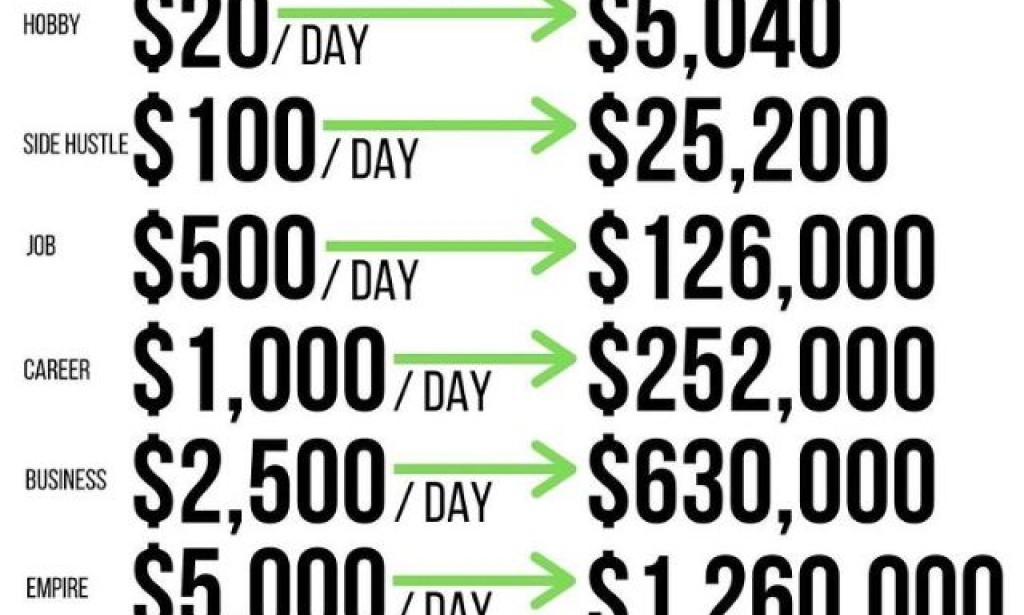
Be careful with social media posts promising daily profits or showing impressive account balances without explaining the risks.
Avoid borrowing money to trade or paying someone who guarantees to double your account.
Instead, focus on developing your skills and making informed decisions.
Conclusion
Making money through trading requires more than predicting whether a price will rise or fall.
You need to understand the market, develop a strategy, manage risk, control your emotions, and continue learning.
Start with education and practice. Be patient, keep realistic expectations, and remember that protecting your money is just as important as looking for profits.
Disclaimer: This article is for educational purposes only and is not financial advice. Trading carries significant risk, and you may lose some or all of your invested capital.


You must be logged in to post a comment.