
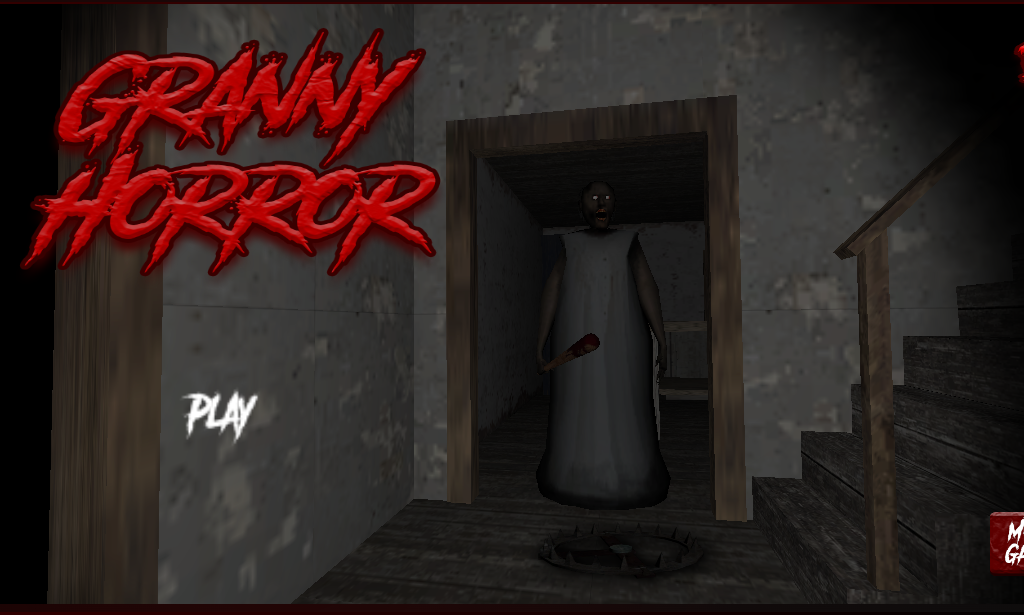
Introduction to the Horror Experience of Granny
Granny is a well-known horror survival game that creates a strong sense of fear and suspense through simple mechanics and clever level design. The game places the player inside a dark and mysterious house filled with traps, puzzles, and hidden paths. The main goal is clear: escape the house before time runs out while avoiding the terrifying presence of Granny.
Unlike many horror games that rely heavily on visual complexity, Granny focuses on tension, sound awareness, and careful movement. Every step, every dropped object, and every opened door can attract danger. Because of this design, the game encourages patience, planning, and quick thinking.
The atmosphere plays a major role in the experience. Dim lighting, creaking floors, and echoing sounds create an environment where every corner feels dangerous. Even simple actions such as opening a drawer or walking down a hallway can raise tension. For many players, this balance of puzzle solving and survival creates a memorable gaming experience.
Gameplay Mechanics That Define Granny
Exploration Inside a Dangerous House
The main environment of Granny is a large house filled with multiple rooms, locked doors, hidden passages, and secret compartments. Exploration becomes essential for survival. Players must search cabinets, boxes, shelves, and corners in order to find useful items.
Common items include keys, tools, weapon parts, and objects that help unlock new areas. Each item has a purpose, so careful observation is necessary. A single discovered object can lead to progress toward escape.
The layout of the house encourages exploration across several floors. Stairs connect dark hallways to basements and upper rooms. Each level hides different clues and puzzles. Because of this design, players slowly build knowledge about the house structure during repeated attempts.
Sound Awareness and Stealth Strategy
Sound plays a crucial role in the gameplay of Granny. The main antagonist reacts strongly to noise. Dropping objects, stepping on certain surfaces, or knocking over furniture can alert the enemy.
Because of this mechanic, stealth becomes the most important survival strategy. Players must move slowly, crouch when necessary, and avoid unnecessary noise. A careless action can cause immediate danger.
Hiding places such as beds, wardrobes, and dark corners allow temporary safety. However, these hiding spots are not always reliable. The enemy patrols rooms and may discover careless movement. This constant threat forces players to remain alert at all times.
Limited Time Creates High Pressure
The game introduces a strict time system. The player has only a few days to escape the house. Each failed attempt reduces the remaining chances. This mechanic creates strong pressure during exploration.
If the enemy catches the player, the character wakes up in the starting room on the next day. Progress may continue if important items remain discovered. However, wasted time increases difficulty.
Because of this system, players must balance caution with efficiency. Spending too long in one area can prevent successful escape. This tension keeps gameplay intense from beginning to end.
Puzzle Design and Problem Solving
Item Combination and Logical Thinking
Many puzzles in Granny require item combination or sequence solving. A key may open a door that hides another tool. That tool may unlock a machine or reveal another path inside the house.
This chain reaction of discoveries creates a satisfying progression system. Each puzzle solved opens new opportunities for exploration. Players slowly move closer to freedom while learning more about the environment.
Observation skills become extremely important. Small clues inside rooms often hint at puzzle solutions. A strange object on a table or a locked box inside a hidden corner can guide the next step.
Hidden Routes and Secret Areas
Another interesting element of Granny is the presence of hidden routes. Some walls contain secret passages, while certain objects can reveal hidden spaces. These surprises reward curious exploration.
Secret areas sometimes contain critical tools or shortcuts that help avoid danger. Discovering such areas can significantly increase survival chances. Because of this, careful inspection of each room becomes valuable.
This design also increases replay value. Many players discover new paths even after several play sessions. Each playthrough may reveal a different escape strategy.
Atmosphere and Psychological Horror
Minimalist Design Creates Maximum Fear
Granny does not rely on complex graphics to create fear. Instead, the game uses minimal lighting, simple textures, and quiet spaces to build tension. Darkness hides threats while silence creates anticipation.
Sudden noises or unexpected appearances create powerful moments of fear. Players often feel nervous even during calm moments because danger can appear at any time.
This psychological approach makes the experience more intense than many action based horror games. Fear grows from uncertainty rather than constant combat.
Sound Design Strengthens Suspense
Audio design plays a major role in the atmosphere. Footsteps echo through hallways. Doors produce loud creaking sounds. Objects hitting the floor create sharp noise that may attract attention.
These sound effects build a sense of realism inside the house environment. The player learns to interpret audio signals as warnings. Distant footsteps may indicate approaching danger.
Because of this system, headphones often improve the experience. Directional sound allows better understanding of enemy movement and nearby threats.
Strategies for Successful Escape
Careful Movement and Patience
Success in Granny depends heavily on patience. Rushing through rooms often leads to mistakes. Careful movement reduces noise and allows time to observe surroundings.
Players should memorize room locations and escape routes. Knowledge of safe hiding spots can save valuable time during dangerous moments.
Small habits such as closing doors quietly and placing objects carefully can prevent unwanted attention.
Smart Use of Distraction
Distraction can become a powerful tool. Throwing an object in one area may attract attention while the player moves quietly in another direction. This technique creates opportunities for exploration without direct confrontation.
However, distractions must be used wisely. Excessive noise may lead to unexpected encounters. Timing becomes important when using this strategy.
Learning Through Repeated Attempts
Each failed attempt in Granny becomes a learning experience. Players gradually understand the map layout, puzzle structure, and enemy behavior patterns.
Over time, these lessons transform fear into strategy. What once felt chaotic becomes a structured challenge. The process of improvement adds long term appeal to the game.
Lasting Popularity of Granny in Horror Gaming
Granny gained widespread popularity because of its accessible design and intense atmosphere. The game is easy to understand but difficult to master. This balance attracts both casual players and dedicated horror fans.
Many players share gameplay experiences online, discuss strategies, and explore hidden secrets. Community interest helps maintain long term popularity.
The game also inspired additional updates, variations, and similar horror titles. These influences show how effective the core design of Granny remains within the horror genre.
Conclusion
Granny stands out as a memorable horror survival game built around tension, puzzle solving, and stealth gameplay. A dark house environment, intelligent sound mechanics, and challenging puzzles create a unique experience that keeps players engaged.


You must be logged in to post a comment.