
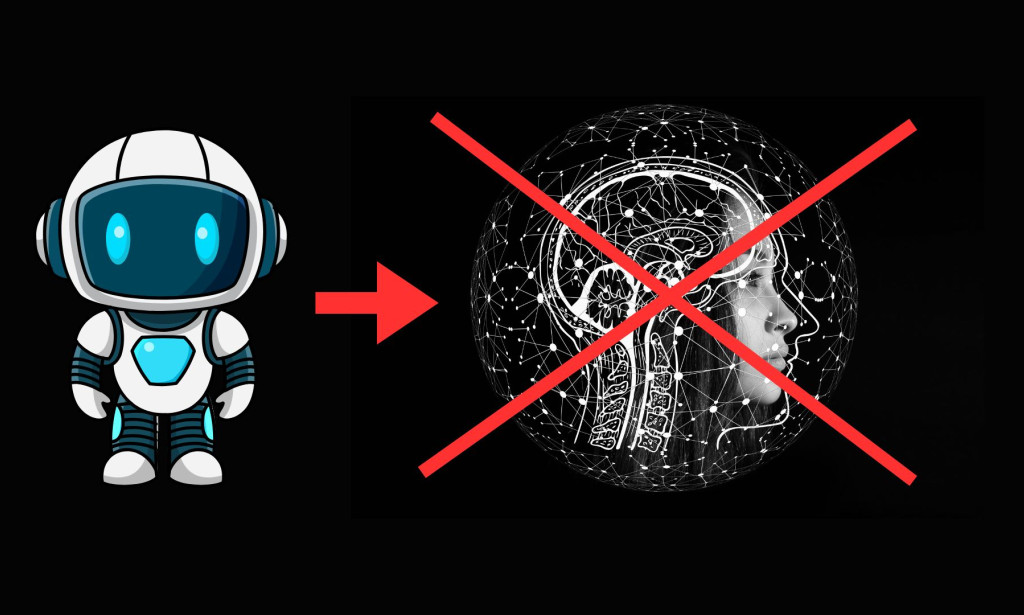
For centuries, Human Intelligence (creativity) was considered one of the unique things machines could never truly replicate. Human imagination felt unique. Writing stories, painting pictures, composing music, brainstorming business ideas, and solving problems and other activities were designed by human abilities and intelligence at various intervals.
Today, AI can generate essays in seconds, create digital art from a single sentence, compose music, write computer code, suggest business ideas, and even imitate human conversations convincingly. Tools like chatgpt is becoming part of daily life for students, workers, businesses, and creators worldwide.
At first, this seemed exciting. AI blessed us with speed, convenience, and endless possibilities. But beneath the excitement, a difficult question has quietly started emerging. Is AI helping human creativity evolve, or is it slowly killing it?
The answer may be tough as people think.
The Rise of Crazy and Rapid Creativity
Before AI tools came into existence, creativity usually required patience and struggle followed by consistent discipline. Writers spent hours brainstorming ideas. Designers experimented with sketches repeatedly before finding the right concept. Students had to think carefully before writing essays or solving assignments.The creative process itself forced the brain to work. That is what feed the brain to work and stay healthy
Now, a student can ask AI to generate an essay topic instantly. A content creator can request video ideas in seconds. Someone struggling to design a logo can generate dozens of concepts without drawing anything manually.
Benefits of AI Usage
1. The convenience is undeniable.
2. Ai saves time and lowers barriers.
3. People who once lacked technical skills can now create things they never imagined possible.
DANGER: The less effort people invest in thinking creatively, the less they may develop the ability to think independently over time.
Creativity Often Comes From Struggle
Many of humanity’s greatest ideas did not appear instantly. They emerged through frustration, experimentation, failure, and persistence.Writers experience creative blocks before breakthroughs. Inventors spend years testing ideas that fail repeatedly. Musicians rewrite songs countless times before creating something memorable.
Struggle is often part of creativity itself and that make life sweet not boring.When Ai removes too much of that struggle leading to killing of opportunities for deep thinking.Imagine someone who constantly uses AI to generate social media captions, business ideas, essays, or marketing strategies. Over time, they may stop exercising their brain powers because the machine always provides a faster answer.
This is similar to what happens physically when people stop exercising certain muscles. The body adapts to inactivity.The brain works in a similar way.If people rely too heavily on AI-generated thinking, their ability to brainstorm independently could gradually weaken.
The Danger of Passive Thinking
One of the biggest risks AI introduces is passive thinking.Instead of actively creating ideas, many users simply select from ideas already generated for them. The role of the human slowly shifts from creator to editor.When people stop generating original thoughts regularly, they may begin losing confidence in their own creativity. They depend on external systems for inspiration, direction, and problem-solving.
Over time, this dependency can become psychological.Some people already feel unable to start writing, designing, or brainstorming without first asking AI for suggestions. The machine becomes the starting point for every thought process.
That may seem harmless initially, but it changes how creativity develops.Instead of imagination leading technology, technology begins leading imagination.
Why Younger Generations May Be Highly Affected
Younger generations are growing up surrounded by AI-powered systems from the beginning.Many students now use AI for:
1. homework,
2. essay outlines,
3. research summaries,
4. coding help,
5. brainstorming,
6. and even emotional advice.
The concern is not simply that students are “cheating.” The deeper issue is what happens whendeveloping minds become dependent on instant answers before learning how to think deeply on their own.Creativity is not only about producing content. It is also about:
1. curiosity,
2. problem-solving,
3. experimentation,
4. critical thinking,
5. and learning how to connect ideas independently.
Conclusion
AI is a unique technology a human has ever created. It can save time, increase productivity, and open creative opportunities for millions of people.But convenience always comes with trade-offs.The growing dependence on AI raises important questions about attention spans, independent thinking, originality, and the future of human creativity itself.The real threat may not be that AI becomes more intelligent than humans.The greater danger could be humans gradually becoming less willing to think creatively without AI.Technology should ideally amplify human imagination, not replace it.Whether AI ultimately strengthens or weakens creativity may depend less on the machines themselves and more on the choices humans make while using them.


You must be logged in to post a comment.