
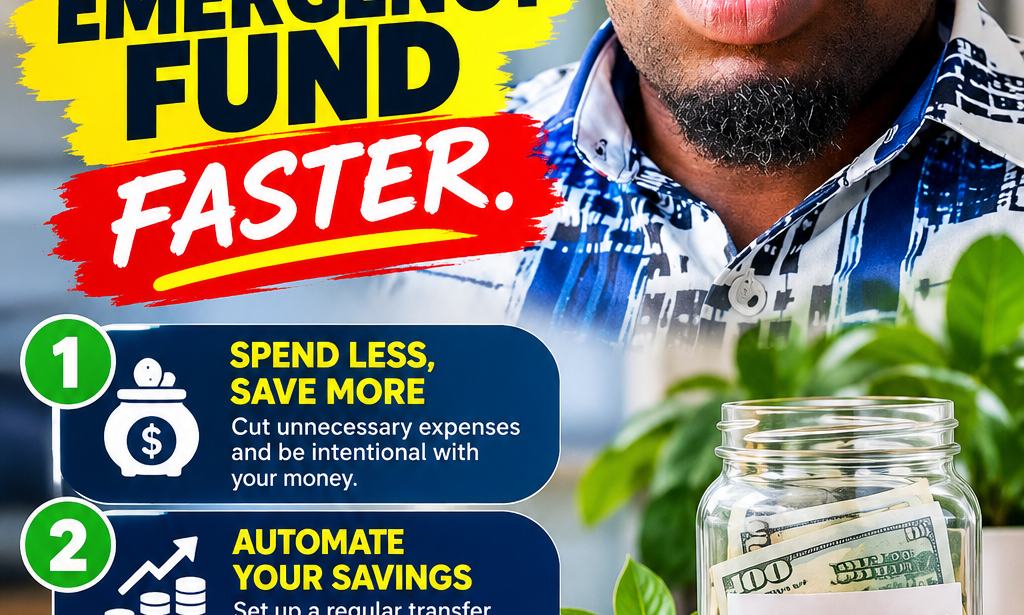
Having an emergency fund is one of the best ways to protect yourself financially. Whether you face an unexpected medical bill, lose your job, need urgent repairs, or encounter another financial problem, having money set aside can help you handle the situation without borrowing.
However, saving thousands of dollars can feel overwhelming when you are starting from zero. The good news is that you do not need to earn a massive salary to begin building your financial safety net. What matters is developing consistent saving habits and sticking to them.
If you want to grow your emergency fund, here are three simple habits you can start practising today.
1. Automate Your Savings
One of the easiest ways to save consistently is to make saving automatic. Instead of waiting until the end of the month to save whatever money remains, set aside a specific amount whenever you receive your salary or other income.
For example, you could arrange an automatic transfer of $10 or $20 from your checking account to a separate savings account every payday. If you live in Nigeria, you can apply the same principle by saving a fixed amount in naira that fits your income and expenses.
The advantage is simple: you make saving a priority instead of treating it as an afterthought.
Keeping your emergency savings separate from the money you use for everyday spending can also make it easier to avoid unnecessary withdrawals.
Tip: Start with an amount you can comfortably afford. Even a small, consistent contribution is a good beginning. You can increase it as your income improves.
2. Use the 48-Hour Rule for Non-Essential Purchases
Impulse buying can quietly drain your money. You might see a new outfit, an electronic gadget, or an expensive meal and feel the urge to buy it immediately.
Before making a non-essential purchase, give yourself 48 hours to think about it.
During that time, ask yourself a few questions:
- Do I really need this item right now?
- Can I afford it without affecting my essential expenses?
- Would I rather put this money towards my emergency fund?
- Will I still want this item after waiting two days?
Sometimes, you will decide that the purchase is worthwhile. Other times, you may discover that you wanted it only because you saw it at that moment.
When you decide not to buy something, consider transferring the money you would have spent into your emergency savings. This turns a small spending decision into an opportunity to improve your financial security.
Remember: The goal is not to stop enjoying your money. It is to spend intentionally while making room for your financial priorities.
3. Save Your Unexpected Money
Unexpected money can provide an excellent opportunity to grow your emergency fund without making major changes to your regular budget.
This could include a cash gift, a work bonus, a tax refund where applicable, a cashback reward, or extra income from a side hustle.
Instead of spending all the extra money immediately, consider putting some or all of it into your emergency fund.
For example, imagine you receive an unexpected $100. If your essential expenses are already covered, you could add that money to your emergency savings rather than spending it on something you had not planned to buy.
If you receive extra income regularly, you can decide in advance what percentage will go towards savings. This helps you build your fund without relying entirely on your usual salary.
Tip: Choose a simple rule, such as saving half of every unexpected payment. Adjust the amount to suit your financial responsibilities and immediate needs.
How Much Should You Keep in Your Emergency Fund?
Your first goal does not need to be thousands of dollars. Start with a small target that feels achievable, then build from there.
A practical approach is to work towards these milestones:
- First milestone: Save enough to cover one small, unexpected expense.
- Second milestone: Build savings that can cover several days or weeks of essential expenses.
- Long-term goal: Gradually work towards three to six months of essential living expenses, depending on your circumstances.
The right amount depends on your income, household responsibilities, job security, and living costs. If your income is irregular, you may eventually want a larger safety net.
Keep your emergency money somewhere safe and accessible when you need it. Avoid putting money you may urgently require into investments that can lose value or be difficult to withdraw quickly.
Conclusion: Start Building Your Financial Safety Net Today
Building an emergency fund takes time, but you do not have to wait until you earn more money to begin.
By automating your savings, using the 48-hour rule to reduce impulse purchases, and putting some unexpected income aside, you can gradually build a financial cushion for difficult times.
You may not notice a dramatic difference after your first deposit, but consistent contributions can add up over time.
Start small, remain consistent, and increase your savings whenever your circumstances allow. Your future self may thank you for preparing today.
Let's Talk About Money!
Do you already have an emergency fund, or are you still trying to build one?
Share your favourite saving habit in the comments. Your experience might help someone else take their first step towards financial security.
Disclaimer: This article is for general educational purposes only. Adapt these suggestions to your income, expenses, and personal financial circumstances.


You must be logged in to post a comment.