
Your Morning Glass of Water Could Be Aging You Faster Than Junk Food—Here’s Why
Introduction
A glass of water first thing in the morning is widely considered one of the healthiest habits you can adopt. It is often linked with detoxification, improved metabolism, better digestion, and even glowing skin. But what if this “healthy ritual” isn’t always as harmless as it seems?
In some cases, the way water is stored, consumed, or even the conditions under which it is drunk can influence how your body responds to it over time. While it is not accurate to say water is “aging you faster than junk food” in a literal sense, certain hidden factors connected to your morning hydration routine may contribute to stress on the body that accelerates aging processes indirectly.
This article explores the science, myths, and overlooked risks behind your morning glass of water—and how to make it truly beneficial rather than silently harmful.
The Myth of “Perfect Hydration” in the Morning
For years, health advice has promoted the idea that drinking water immediately after waking is universally beneficial. While hydration is essential, the body is far more complex than a simple “drink water = health” equation.
Why Morning Hydration Became a Health Trend
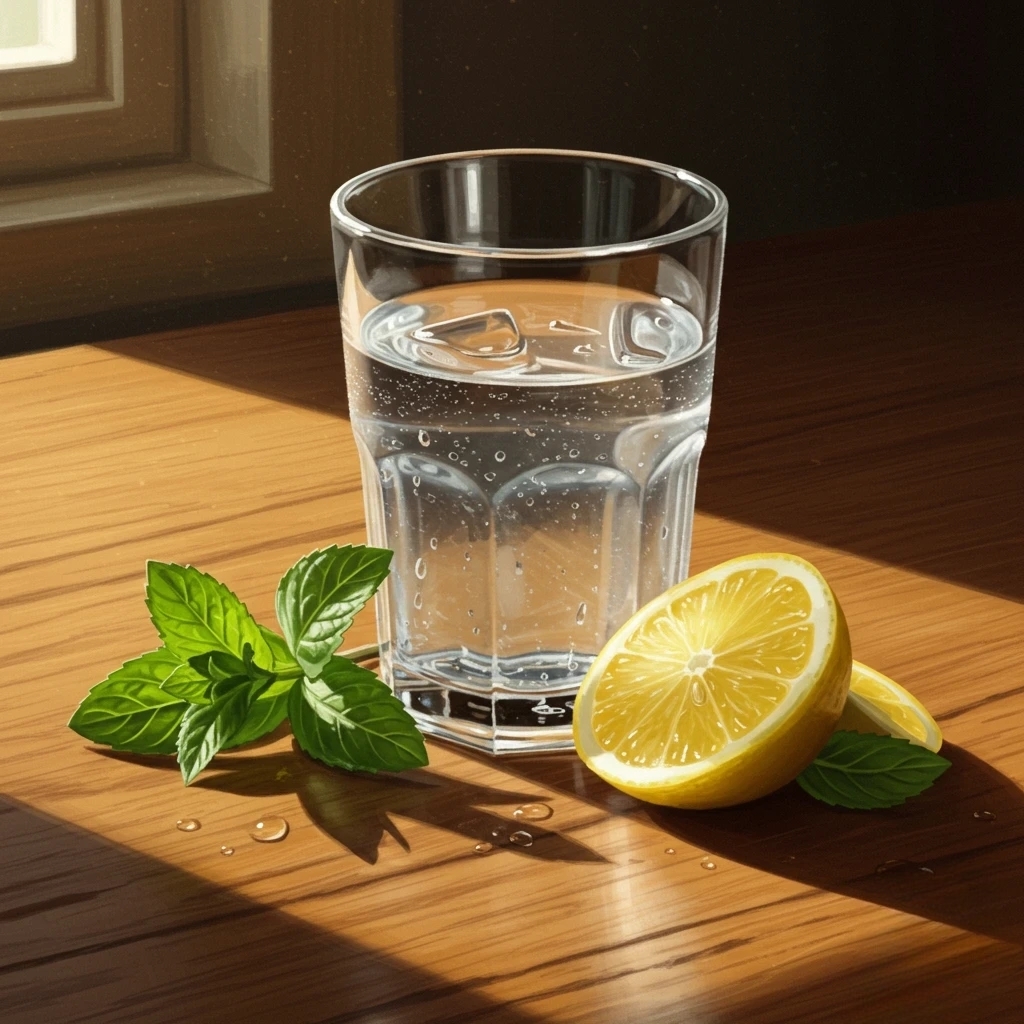
The popularity of morning water consumption comes from several beliefs:
The body is “dehydrated” after sleep
Water “flushes toxins” from the system
It “kickstarts metabolism”
It improves skin and energy levels
While some of these ideas have partial truth, they are often oversimplified or exaggerated.
The Missing Piece—What Type of Water Matters
Not all water is equal. The temperature, quality, storage container, and timing can all influence how your body reacts.
Key overlooked factors include:
Chemical contaminants in stored water
Plastic leaching from bottles
Mineral imbalance in filtered water
Extremely cold water shocking the digestive system
Bacterial growth in improperly stored containers
These subtle issues rarely get attention but may influence long-term health.
How “Healthy” Habits Can Sometimes Stress the Body
Aging is not just about time—it is heavily influenced by chronic low-level stress inside the body, also known as oxidative stress and inflammation.
The Link Between Daily Stressors and Cellular Aging
When the body is repeatedly exposed to minor stressors, it responds with:
Increased inflammation
Higher cortisol levels
Reduced cellular repair efficiency
Oxidative damage over time
Even small daily habits can contribute if they are not optimized properly.
Where Morning Water Fits Into This Picture
Your morning glass of water can become a stressor under certain conditions:
Drinking contaminated water repeatedly
Using low-quality plastic bottles
Consuming very cold water on an empty stomach
Drinking stagnant water stored overnight improperly
Overhydration without electrolyte balance
These are not extreme risks—but they are often ignored in wellness advice.
Hidden Factors That May Affect Your Morning Water
1. Plastic Bottles and Chemical Leaching
One of the most overlooked risks is the container itself.
Plastic bottles, especially when reused or exposed to heat, may release:
BPA (Bisphenol A)
Microplastics
Phthalates
These compounds are linked in research to hormonal disruption and oxidative stress.
Potential long-term effects include:
Hormonal imbalance
Increased inflammation
Metabolic disruption
Skin aging acceleration
Even though levels are often small, repeated exposure over years may matter.
2. Stagnant Water Overnight
Water left uncovered or stored for long periods may:
Absorb environmental contaminants
Lose freshness in taste and composition
Collect airborne particles or microbes
While not always dangerous, it is not as “pure” as many assume.
3. Extremely Cold Water Shock
Drinking very cold water immediately after waking may:
Contract blood vessels in the digestive system
Slow down initial digestion
Cause mild discomfort in sensitive individuals
For some people, especially with digestive sensitivity, this can create unnecessary physiological stress.
4. Mineral-Depleted Filtered Water
Highly purified water (like reverse osmosis) may lack minerals such as:
Magnesium
Calcium
Potassium
Over time, reliance solely on demineralized water may contribute to mild electrolyte imbalance if diet is also poor.
Can Water Really “Age You”? Understanding the Science
It is important to clarify something essential: water itself does not age you.
However, indirect biological pathways may influence how your body ages over time.
Oxidative Stress and Cellular Damage
Aging is strongly influenced by oxidative stress, which occurs when free radicals exceed the body’s ability to neutralize them.
Contributors include:
Poor diet
Pollution exposure
Chronic stress
Sleep deprivation
Chemical exposure
Certain water-related factors (like contaminants or plastics) may slightly contribute, but they are not primary drivers.
Inflammation as a Silent Accelerator of Aging
Chronic inflammation is another key aging mechanism.
Long-term exposure to mild irritants—no matter how small—can contribute to:
Skin aging
Fatigue
Reduced immune efficiency
Metabolic slowdown
Again, water alone is rarely a major cause, but context matters.
The Real Problem Isn’t Water—It’s Misuse of Water Habits
The biggest misconception is blaming water itself. In reality, the issue lies in how it is handled and consumed.
Common Mistakes in Morning Hydration
Drinking from old plastic bottles repeatedly
Leaving water exposed overnight
Ignoring water quality in local supply
Drinking excessive amounts too quickly
Relying on water instead of balanced hydration
Better Morning Hydration Practices
To make your morning water genuinely beneficial:
Use clean glass or stainless steel containers
Drink room-temperature water
Ensure clean filtration systems
Avoid plastic exposure when possible
Sip slowly instead of gulping
Bullet Summary of Best Practices
✔ Use filtered, safe drinking water
✔ Prefer glass or steel containers
✔ Drink moderate amounts (not excessive)
✔ Avoid extremely cold water first thing
✔ Keep water covered overnight
✔ Maintain overall balanced diet and hydration
Why Junk Food Gets the Blame (But Water Doesn’t Deserve It)
The title comparison—“water aging you faster than junk food”—is intentionally provocative, but scientifically misleading.
What Junk Food Actually Does to the Body
Processed and junk foods are strongly associated with:
High inflammation
Blood sugar spikes
Weight gain
Oxidative stress
Cardiovascular strain
These are well-established contributors to accelerated aging.
Water vs Junk Food—A Reality Check
Water:
Essential for life
Supports detoxification
Maintains cellular function
Junk food:
Often nutrient-poor
Chemically processed
Linked to chronic disease
There is no realistic scenario where water is more damaging than junk food overall.
The Psychological Side of “Health Fear” Trends
Modern wellness culture often exaggerates risks, creating unnecessary anxiety.
Why Simple Habits Become Overcomplicated
Viral misinformation
Social media exaggeration
Fear-based health marketing
Misinterpreted scientific studies
This leads to people questioning even basic habits like drinking water.
The Balanced Perspective
Instead of fear, focus on:
Consistency
Quality
Moderation
Evidence-based habits
How to Make Your Morning Hydration Truly Healthy
Step-by-Step Morning Water Routine
Wake up naturally
Drink 1 glass (200–300 ml) of clean water
Use room temperature water
Avoid plastic containers
Wait 10–15 minutes before heavy meals
Optional Enhancements
Add a slice of lemon (for taste, not detox myths)
Use mineral-balanced water
Pair hydration with light stretching or movement
Key Takeaways
Water does not age you, but poor hydration habits can subtly stress the body
Plastic containers and water quality matter more than timing
Extreme claims comparing water to junk food are not scientifically accurate
The real aging drivers are diet, stress, sleep, and environment
Healthy hydration is simple, safe, and supportive when done correctly
Conclusion
Your morning glass of water is not a hidden enemy of health—it is one of the most important parts of daily wellness. However, like any habit, its benefits depend on how it is practiced.
When water is stored properly, consumed in moderation, and sourced safely, it supports nearly every function in your body—from brain activity to skin health. The idea that it could “age you faster than junk food” is more sensational than scientific.
The real message is simpler: don’t fear water—optimize it.
Small improvements in your hydration routine may not reverse aging, but they can help your body function more efficiently, reduce unnecessary stress, and support long-term health in a meaningful way.
Frequently Asked Questions (FAQs)
1. Does drinking water in the morning really age your body faster?
No. Drinking water in the morning does not age your body. Water is essential for cell function, digestion, and metabolism. However, poor habits like using contaminated containers or low-quality water over long periods may contribute to general health stress, which is sometimes misunderstood as “aging.”
2. What is the healthiest way to drink water after waking up?
The healthiest approach is simple:
Drink 1 glass (200–300 ml) of clean, filtered water
Use room temperature water
Prefer glass or stainless-steel containers
Drink slowly instead of gulping
This helps the body hydrate gently without unnecessary digestive stress.
3. Can plastic bottles affect my morning water?
Yes, in some cases. Repeated use of plastic bottles, especially when exposed to heat or sunlight, may release small amounts of chemicals like BPA or microplastics. Over time, this may contribute to hormonal or metabolic stress, so safer alternatives like glass or steel are recommended.
4. Is cold water bad for you in the morning?
Cold water is not harmful for everyone, but it may cause discomfort for some people, especially on an empty stomach. It can slightly slow digestion in sensitive individuals. Room temperature water is generally easier on the body in the morning.
5. How much water should I drink right after waking up?
Most people benefit from 200–400 ml (about 1–2 glasses) after waking up. Drinking too much at once is unnecessary and may cause bloating. Hydration is more effective when spread throughout the day.
6. Can morning water detox the body?
Not directly. The body already detoxifies itself through the liver and kidneys. Water supports these natural processes by helping transport nutrients and remove waste, but it does not “flush toxins” in a magical or instant way.


You must be logged in to post a comment.