

Your Body’s Silent Flood: How Everyday Swelling Could Be a Hidden Warning of Organ Failure Before You Feel Pain
Introduction
Most people think swelling is harmless—a temporary inconvenience caused by sitting too long, eating salty food, or minor injury. You wake up with puffy eyes, notice tight rings on your fingers, or feel your shoes getting snug by evening. It seems normal.
But what if this “normal” swelling is actually your body sending early distress signals?
Swelling, medically known as edema, is not just about fluid buildup. It can be a silent warning that your organs—your heart, kidneys, or liver—are struggling long before you feel pain or obvious symptoms.
This article dives deep into how everyday swelling may be the earliest sign of something far more serious—and why ignoring it could allow hidden damage to progress silently.
What Is Swelling (Edema)?
Understanding the Basics
Swelling occurs when excess fluid gets trapped in your body’s tissues. While it often affects visible areas like the feet, ankles, hands, or face, it can also happen internally—where you can’t see it.
Why Fluid Builds Up
Your body carefully balances fluids using:
Blood vessels
Lymphatic system
Hormonal signals
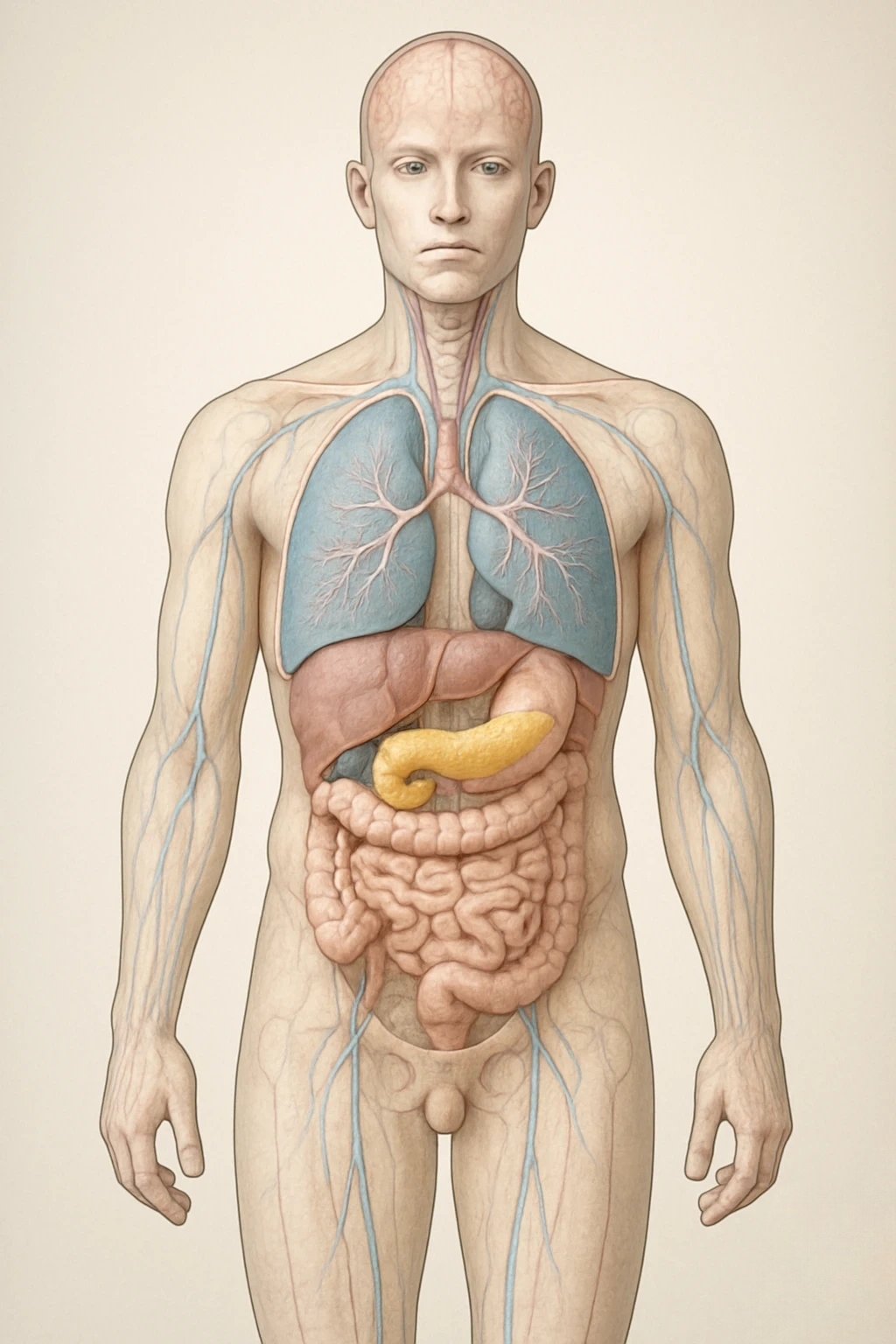
Organ function (heart, kidneys, liver)
When any part of this system fails, fluid begins to leak or accumulate.
The Silent Flood Inside Your Body
Why Swelling Often Goes Ignored
Most people dismiss swelling because:
It comes and goes
It doesn’t hurt
It feels “normal” after long days
But here’s the problem: serious diseases often begin without pain.
Your body may start retaining fluid weeks, months, or even years before you feel anything severe.
How Swelling Signals Organ Trouble
1. Heart Problems: When Circulation Slows Down
How It Happens
Your heart pumps blood throughout your body. If it weakens:
Blood flow slows
Pressure builds in veins
Fluid leaks into surrounding tissues
Common Signs
Swollen ankles and feet (especially at night)
Rapid weight gain from fluid
Shortness of breath (later stages)
What It Could Mean
This may indicate early heart failure, even before chest pain appears.
2. Kidney Dysfunction: When Filtration Fails
How It Happens
Your kidneys remove excess fluid and waste. When they aren’t working properly:
Fluid is not excreted
Sodium builds up
Water retention increases
Common Signs
Puffy eyes (especially in the morning)
Swollen hands and feet
Foamy urine (protein leakage)
Hidden Danger
Kidney disease can progress silently for years before diagnosis.
3. Liver Damage: When Fluid Escapes Control
How It Happens
The liver produces proteins that keep fluid inside blood vessels. When damaged:
Protein levels drop
Fluid leaks into tissues and abdomen
Common Signs
Swollen abdomen (ascites)
Leg swelling
Fatigue and weakness
Early Warning
Liver issues often show swelling before pain or jaundice appears.
Types of Swelling You Should Never Ignore
Localized Swelling
Occurs in one area, often due to injury or infection.
Watch for:
Redness
Warmth
Pain
Generalized Swelling (Systemic Edema)
Affects the whole body and is more serious.
Signs include:
Rapid weight gain
Widespread puffiness
Tight skin feeling
Pitting Edema
When you press the skin and it leaves a dent.
What it means:
Often linked to heart or kidney problems
Hidden Causes of Everyday Swelling
Not all swelling is immediately dangerous—but frequent or persistent swelling deserves attention.
Lifestyle Factors
High salt intake
Sitting or standing too long
Lack of movement
Dehydration
Hormonal Changes
Menstrual cycle
Pregnancy
Thyroid imbalance
Medications
Certain drugs can cause fluid retention:
Blood pressure medications
Steroids
Hormonal treatments
Early Warning Signs Your Body Is in Trouble
Swelling becomes concerning when paired with:
Sudden weight gain (1–2 kg in days)
Fatigue or weakness
Reduced urination
Breathlessness
Tight or shiny skin
Persistent puffiness
Why Swelling Happens Before Pain
The Body’s Silent Strategy
Your body prioritizes survival over comfort. That means:
It compensates for dysfunction silently
It adapts before triggering pain signals
Swelling is often one of the first visible signs because fluid imbalance occurs early in many diseases.
The Lymphatic System: The Overlooked Drainage Network
What It Does
The lymphatic system removes excess fluid, toxins, and waste.
When It Fails
Fluid accumulates
Swelling worsens
Immunity weakens
Signs of Lymphatic Issues
Persistent swelling in limbs
Heaviness in arms or legs
Recurrent infections
The Role of Salt and Water Balance
Too Much Salt = More Fluid Retention
Salt causes your body to hold onto water.
Effects include:
Increased blood pressure
Swelling in extremities
Strain on kidneys and heart
Dehydration Can Also Cause Swelling
This seems counterintuitive, but:
When dehydrated, your body holds onto water
Fluid gets trapped in tissues
Daily Habits That May Be Worsening Your Swelling
Common Triggers
Sitting for long hours
Wearing tight clothing
Eating processed foods
Not drinking enough water
Poor sleep
When Swelling Becomes an Emergency
Seek immediate medical attention if swelling is accompanied by:
Chest pain
Severe shortness of breath
Sudden facial swelling
Confusion
Blue or pale skin
These could signal life-threatening conditions like heart failure or severe kidney dysfunction.
How Doctors Diagnose the Cause of Swelling
Common Tests
Blood tests (kidney and liver function)
Urine analysis
Ultrasound or imaging
Heart function tests
Why Early Diagnosis Matters
Catching the cause early can:
Prevent organ damage
Reverse symptoms
Improve long-term health
How to Reduce Everyday Swelling Naturally
Simple Lifestyle Changes
1. Move More
Walk regularly
Stretch your legs
Avoid long periods of sitting
2. Reduce Salt Intake
Limit processed foods
Cook fresh meals
Read nutrition labels
3. Stay Hydrated
Drink enough water daily
Avoid excessive sugary drinks
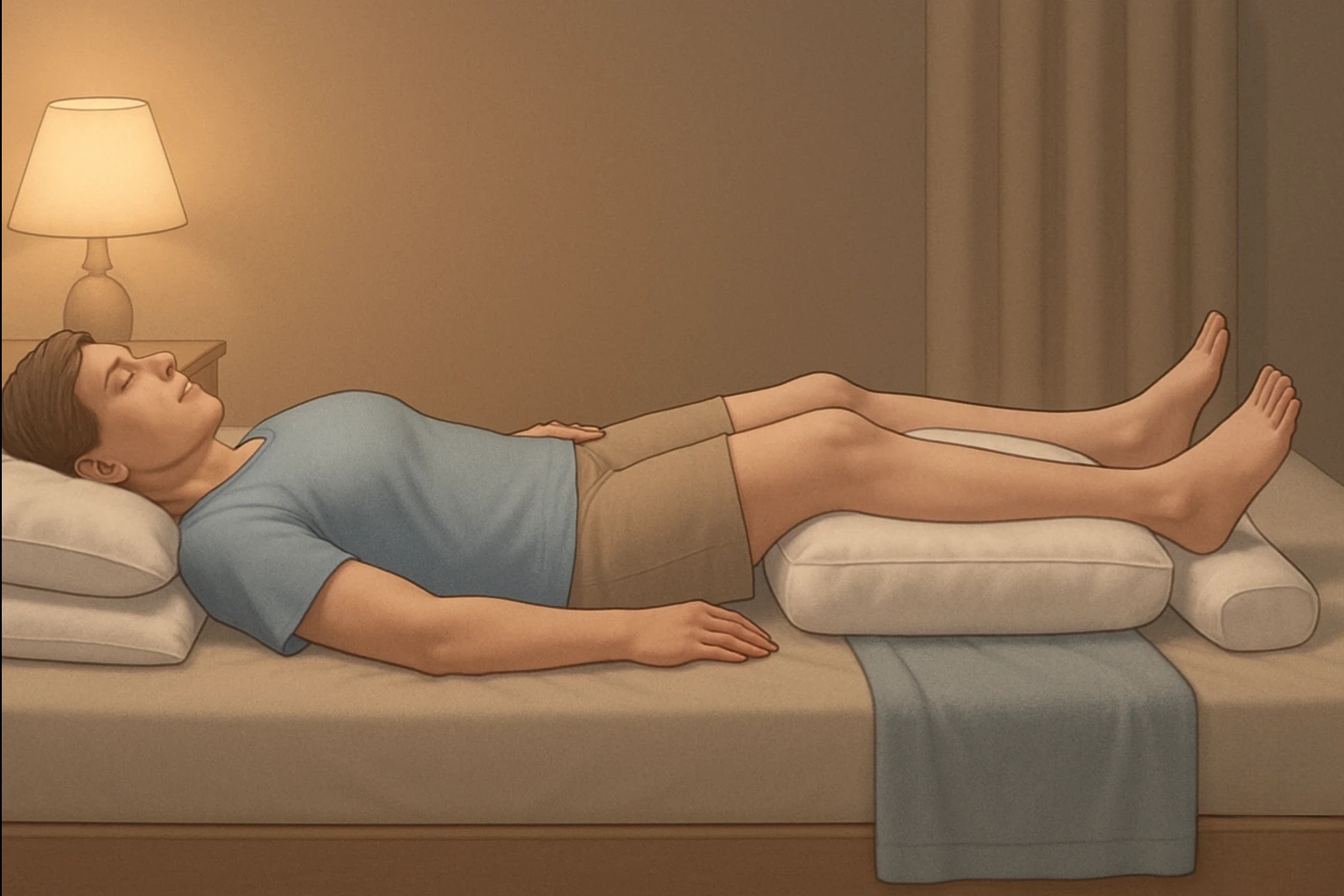
4. Elevate Your Legs
Helps fluid return to circulation
Reduces swelling in feet and ankles
5. Wear Comfortable Clothing
Avoid tight socks or shoes
Choose breathable fabrics
Foods That Help Fight Fluid Retention

Natural Diuretics
Cucumber
Watermelon
Lemon
Ginger
Potassium-Rich Foods
Bananas
Spinach
Sweet potatoes
These help balance sodium levels and reduce swelling.
Long-Term Risks of Ignoring Swelling
If untreated, underlying causes of swelling can lead to:
Chronic heart disease
Kidney failure
Liver cirrhosis
Reduced mobility
Increased risk of infections
Prevention: Listening to Your Body Early
Daily Self-Check Tips
Notice changes in your rings, shoes, or clothes
Track sudden weight changes
Observe swelling patterns (morning vs evening)
When to See a Doctor
Swelling lasts more than a few days
It worsens over time
It appears without clear reason
Conclusion
Swelling is easy to ignore. It doesn’t scream for attention like pain does. It whispers.
But those whispers matter.
Your body doesn’t randomly hold onto fluid—it does so because something is out of balance. What feels like a minor inconvenience could be the earliest warning sign of organ stress or failure.
The key is not fear—but awareness.
By paying attention to subtle changes like swelling, you give yourself the chance to act early, protect your organs, and prevent silent damage from turning into irreversible disease.
Your body speaks long before it breaks. The question is—are you listening?
Frequently Asked Questions (FAQs)
1. Is swelling always dangerous?
No, occasional swelling can be harmless. However, frequent or persistent swelling may indicate underlying health issues.
2. Can dehydration really cause swelling?
Yes. When dehydrated, your body retains fluid, leading to swelling in tissues.
3. What is the most common cause of swelling?
Lifestyle factors like high salt intake and inactivity are common, but organ dysfunction is a serious possibility.
4. How do I know if my swelling is serious?
Watch for additional symptoms like fatigue, breathlessness, or rapid weight gain.
5. Can swelling go away on its own?
Mild swelling may resolve naturally, but persistent swelling requires medical evaluation.
6. Which organ is most commonly linked to swelling?
The heart, kidneys, and liver are the primary organs involved.


You must be logged in to post a comment.