
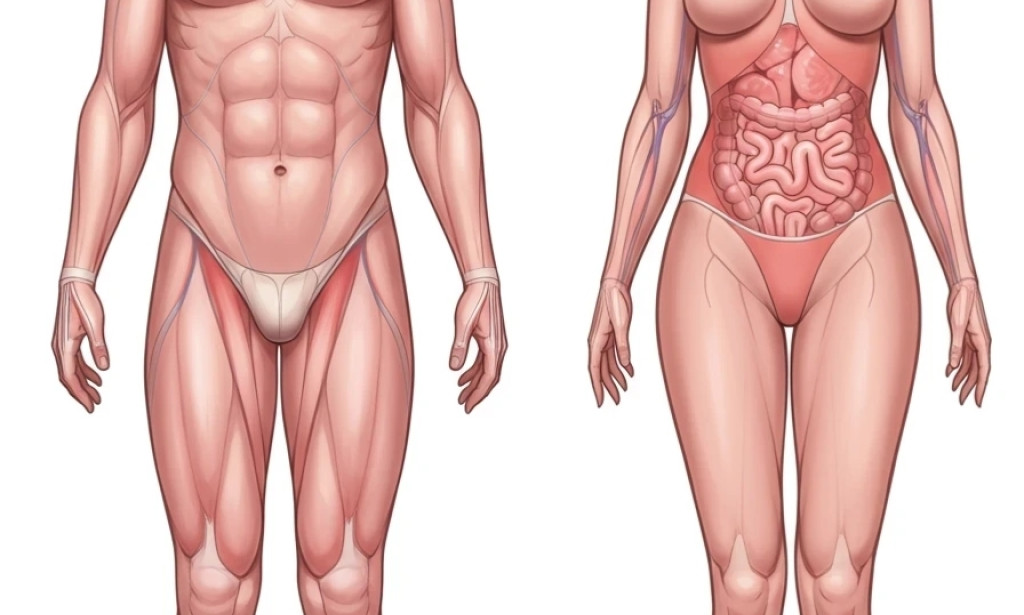
Why Your Strength, Memory, and Skin Change Faster After Age 30
Introduction
Turning 30 is often described as a milestone of maturity, confidence, and stability. But for many people, it also marks the beginning of subtle physical and mental changes that seem to appear out of nowhere. You may notice it in the gym when recovery takes longer, during conversations when names become harder to recall, or in the mirror when your skin no longer looks as firm and radiant as it once did.
These changes are not imaginary.
After age 30, the body gradually begins to shift from a peak growth-and-repair state into a slower maintenance mode. Muscle mass starts declining, collagen production decreases, hormone levels fluctuate, and even brain performance can subtly change over time. While these processes are natural, modern lifestyle habits often accelerate them far more quickly than most people realize.
Poor sleep, chronic stress, processed foods, lack of movement, excessive screen time, and environmental toxins can push the body into premature aging long before old age actually begins.
The good news is that aging faster is not inevitable.
Understanding why your strength, memory, and skin begin to change after 30 gives you the power to slow the process dramatically. Many of the most frustrating symptoms associated with aging are deeply connected to everyday habits that can be improved.
This article explores the science behind these changes, the hidden factors speeding them up, and the practical strategies that can help your body and mind stay stronger, sharper, and healthier for decades to come.
The Biological Shift That Happens After 30
Your Body Stops Prioritizing Growth
During childhood and early adulthood, the body is heavily focused on growth, repair, and reproduction. Hormones such as growth hormone, testosterone, estrogen, and collagen-producing compounds remain highly active.
After 30, this balance begins to change.
The body slowly becomes less efficient at:
Building muscle
Repairing damaged cells
Producing collagen
Regulating inflammation
Recovering from stress
Maintaining metabolic flexibility
This doesn’t happen overnight. Instead, the process occurs gradually and silently.
Many people only recognize it when they suddenly experience:
Reduced stamina
Increased fatigue
Slower healing
More wrinkles
Joint stiffness
Mental fog
Weight gain around the abdomen
Why Strength Declines Faster After 30
Sarcopenia Begins Earlier Than Most People Think
One of the biggest physical changes after 30 is the gradual loss of muscle mass and strength, known as sarcopenia.
Research suggests adults can lose approximately:
3% to 8% of muscle mass per decade after 30
Even more after age 60
Muscle tissue is metabolically active and essential for:
Strength
Balance
Joint protection
Blood sugar regulation
Energy production
Longevity
Without proper stimulation, muscles begin shrinking surprisingly quickly.
Why Modern Life Accelerates Muscle Loss
Sitting Too Much
Modern lifestyles are incredibly sedentary.
Long hours spent:
Working at desks
Driving
Using phones
Watching screens
all reduce muscle activation.
Even people who exercise occasionally may still suffer from “inactive muscle syndrome” if they sit for most of the day.
Protein Intake Often Becomes Inadequate
After 30, the body becomes less efficient at using protein for muscle repair.
This means adults often need:
More high-quality protein
Better meal timing
Consistent intake throughout the day
Low protein intake accelerates:
Weakness
Poor recovery
Fatigue
Reduced metabolism
Hormonal Changes Reduce Recovery
Testosterone, growth hormone, and other anabolic hormones naturally decline with age.
As a result:
Muscle recovery slows
Strength gains become harder
Injuries become more common
Exercise soreness lasts longer
Chronic stress worsens this further by increasing cortisol, a hormone linked to muscle breakdown.
Hidden Signs Your Strength Is Declining
Early Warning Signs Many Ignore
Muscle decline doesn’t always appear dramatically.
Early signs include:
Difficulty carrying groceries
Reduced grip strength
Fatigue climbing stairs
Poor posture
Slower workout recovery
More frequent aches and pains
Many people mistake these symptoms for “being busy” rather than biological change.
Why Memory and Mental Sharpness Change After 30
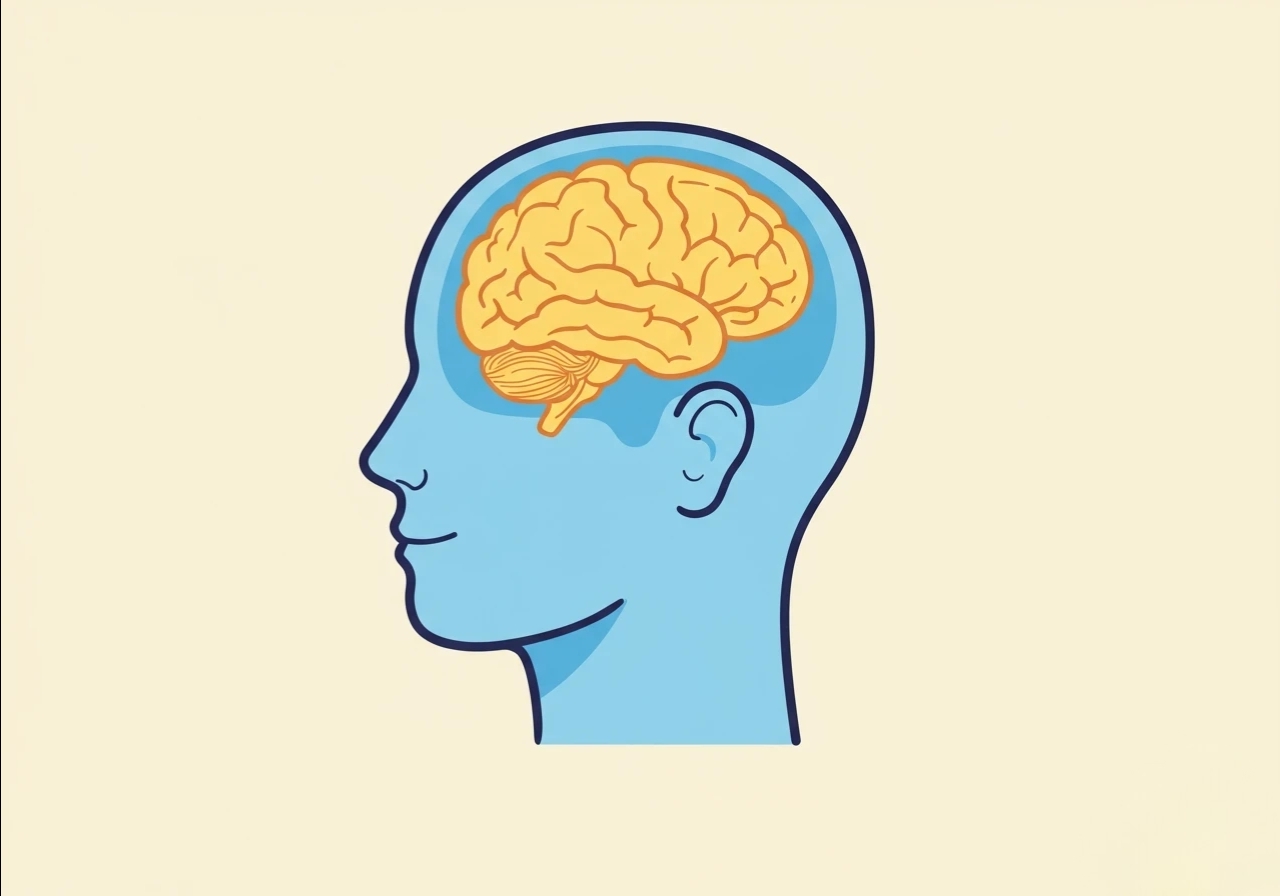
The Brain Also Ages Gradually
Many adults notice subtle cognitive shifts after 30, including:
Forgetting names more often
Reduced concentration
Mental fatigue
Slower recall speed
Difficulty multitasking
While severe memory decline is not normal at this age, subtle neurological changes can begin earlier than expected.
Chronic Stress Is One of the Biggest Brain Killers
Modern stress is relentless.
The brain was not designed for:
Constant notifications
Endless multitasking
Information overload
Sleep deprivation
Persistent anxiety
Long-term stress increases cortisol levels, which can negatively affect the hippocampus — a brain region essential for memory formation.
Over time, chronic stress may contribute to:
Brain fog
Poor focus
Emotional exhaustion
Reduced cognitive flexibility
Sleep Becomes More Important After 30
Poor sleep is one of the fastest ways to accelerate cognitive aging.
During deep sleep, the brain:
Consolidates memories
Removes metabolic waste
Repairs neurons
Balances hormones
Adults over 30 who consistently sleep poorly often experience:
Slower thinking
Mood instability
Reduced learning capacity
Increased forgetfulness
Inflammation Quietly Damages Brain Function
Chronic low-grade inflammation is increasingly linked to cognitive decline.
Common inflammation triggers include:
Processed foods
Excess sugar
Alcohol
Smoking
Obesity
Stress
Lack of exercise
Inflammation can impair communication between brain cells and reduce mental clarity.
The Surprising Connection Between Muscle and Brain Health
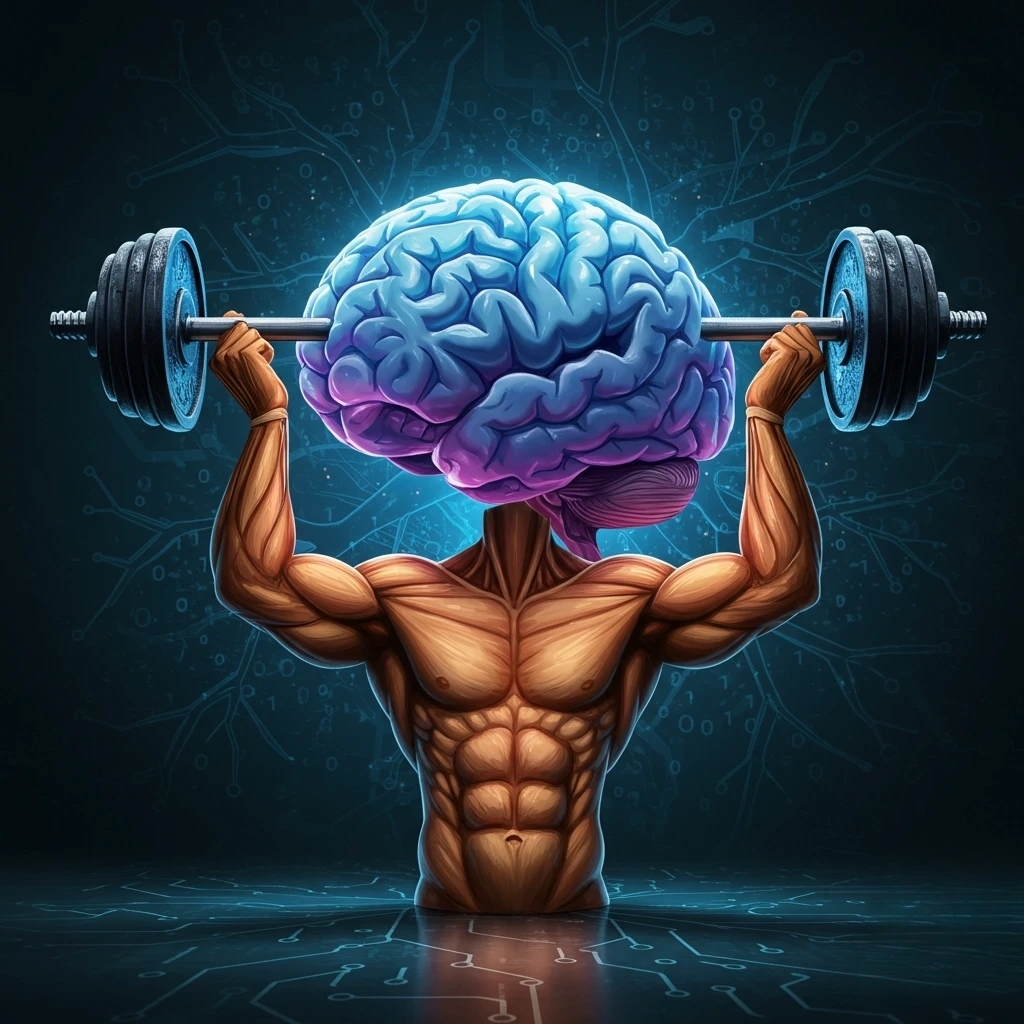
Strong Bodies Often Support Strong Minds
Research increasingly shows that physical strength and cognitive performance are deeply connected.
Exercise improves:
Blood flow to the brain
Neuroplasticity
Mood regulation
Memory formation
Stress resilience
Strength training especially appears beneficial for maintaining long-term brain health.
People who remain physically active after 30 often maintain sharper mental performance later in life.
Why Your Skin Changes Faster After 30
Collagen Production Starts Declining
Collagen is the structural protein responsible for:
Skin firmness
Elasticity
Hydration
Smooth texture
After age 30, collagen production decreases approximately 1% each year.
This gradual decline leads to:
Fine lines
Wrinkles
Thinner skin
Sagging
Dryness
Sun Damage Accumulates Over Time
Many skin changes seen after 30 are actually the delayed effects of earlier sun exposure.
Ultraviolet (UV) radiation damages:
Collagen fibers
Elastin
DNA within skin cells
This process, called photoaging, can make skin appear years older than its biological age.
Signs include:
Uneven pigmentation
Wrinkles
Rough texture
Dark spots
Sugar Accelerates Skin Aging
High sugar intake contributes to a process called glycation.
During glycation:
Sugar molecules bind to proteins
Collagen becomes stiff and damaged
Skin loses elasticity
This can lead to:
Premature wrinkles
Dull skin
Loss of firmness
Excessive processed food consumption may visibly age the face faster.
Chronic Stress Also Shows on the Skin
Stress affects skin more than most people realize.
Elevated cortisol may contribute to:
Acne breakouts
Inflammation
Dryness
Delayed healing
Increased sensitivity
Poor sleep and stress together often create a visibly “tired” appearance.
Why Recovery Becomes Slower After 30
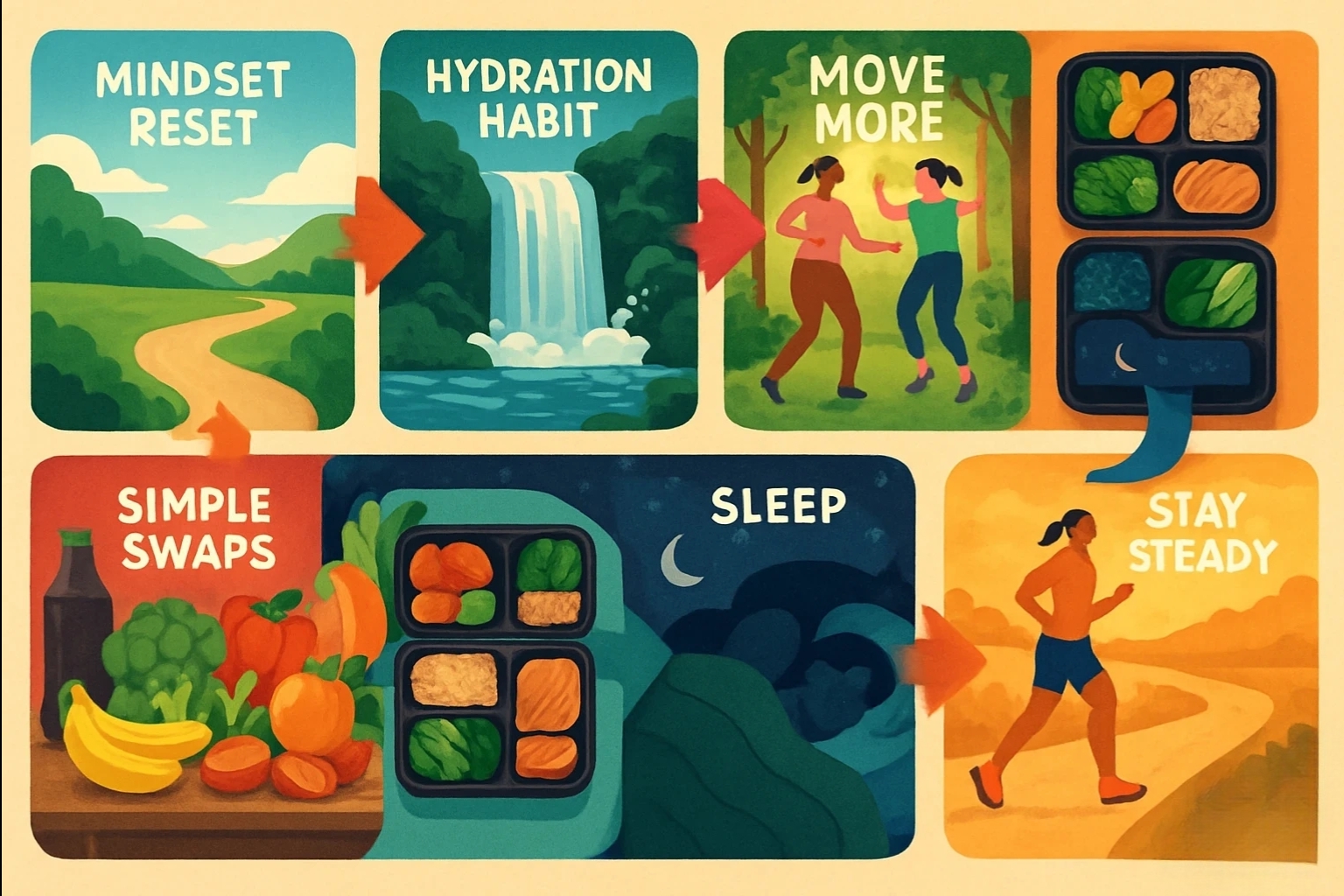
Cellular Repair Efficiency Declines
Every day, your body repairs:
Muscle tissue
DNA damage
Skin cells
Brain cells
With aging, this repair process becomes less efficient.
Factors that worsen recovery include:
Sleep deprivation
Nutrient deficiencies
Excess alcohol
Sedentary lifestyle
Chronic inflammation
This is why injuries, soreness, and fatigue may linger longer than before.
The Hormonal Changes Behind Faster Aging
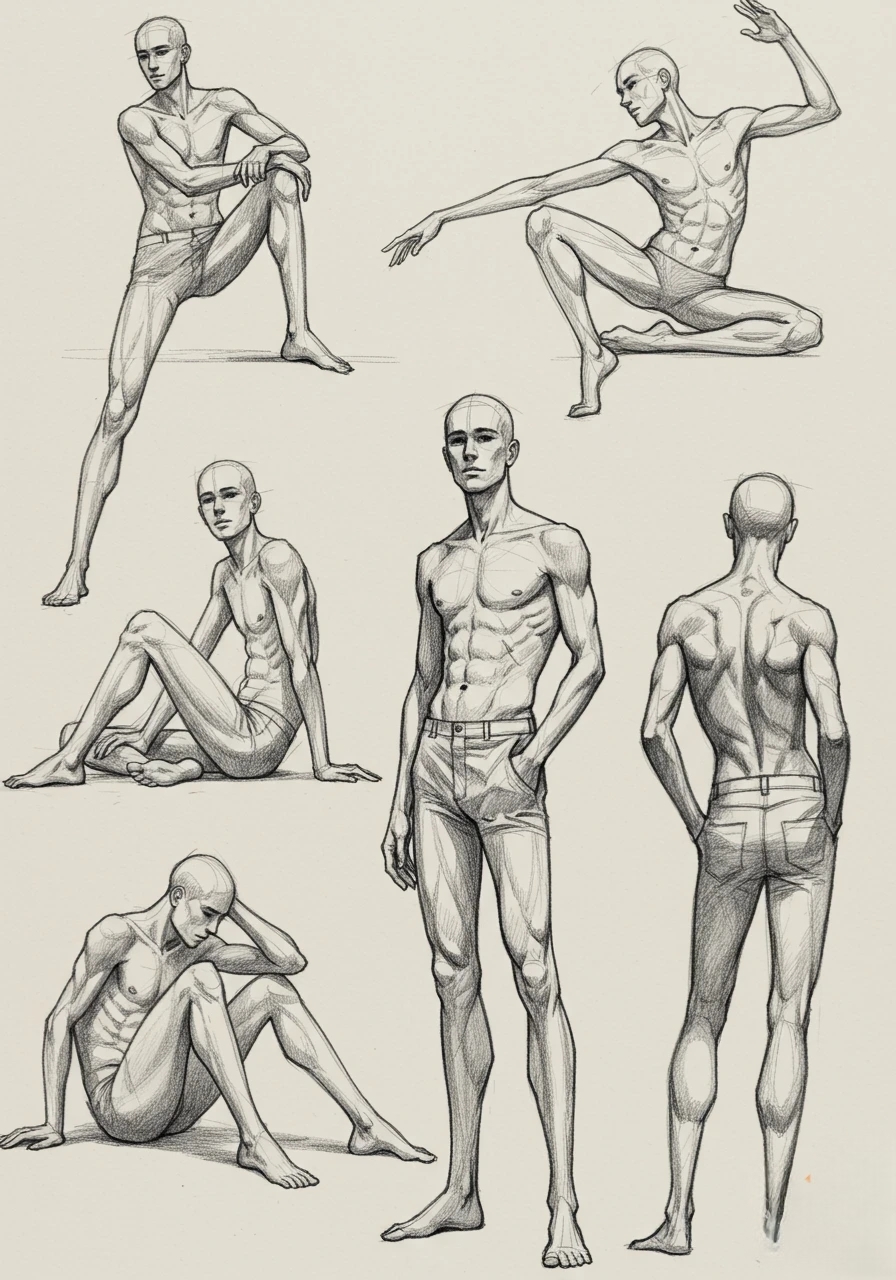
Hormones Influence Nearly Everything
Hormones regulate:
Energy
Muscle growth
Skin health
Mood
Memory
Metabolism
After 30, several hormones begin gradually shifting.
Common Hormonal Changes Include:
Lower testosterone
Reduced estrogen balance
Declining growth hormone
Increased cortisol
Insulin resistance
These changes can amplify visible aging and physical decline.
How Processed Food Accelerates Aging
Modern Diets Create Internal Stress
Highly processed diets often contain:
Refined sugar
Industrial oils
Artificial additives
Excess sodium
These foods may contribute to:
Oxidative stress
Inflammation
Blood sugar instability
Collagen damage
Fat accumulation
Over time, poor nutrition speeds up both internal and external aging.
The Role of Exercise After 30
Movement Becomes Essential, Not Optional
Exercise is one of the most powerful anti-aging tools available.
Regular movement helps:
Preserve muscle
Improve circulation
Support memory
Reduce inflammation
Improve insulin sensitivity
Maintain skin health
The most effective routine usually combines:
Strength Training
Supports:
Muscle mass
Bone density
Hormone balance
Cardiovascular Exercise
Improves:
Heart health
Blood flow
Brain oxygenation
Mobility and Flexibility
Helps:
Joint health
Injury prevention
Posture
Nutrition Strategies That Help Slow Aging
Protein Is Critical
Adults over 30 often benefit from prioritizing:
Lean meats
Eggs
Fish
Greek yogurt
Legumes
Protein-rich plant foods
Adequate protein helps preserve:
Muscle
Skin structure
Recovery capacity
Healthy Fats Support Brain and Skin Health
Omega-3 fats may help:
Reduce inflammation
Support memory
Improve skin hydration
Sources include:
Fatty fish
Walnuts
Flaxseeds
Chia seeds
Antioxidants Help Fight Cellular Damage
Antioxidants combat oxidative stress caused by:
Pollution
Stress
UV exposure
Poor diet
Helpful antioxidant-rich foods include:
Berries
Leafy greens
Nuts
Green tea
Colorful vegetables
Why Hydration Matters More With Age
Dehydration Impacts the Entire Body
As people age, hydration regulation changes.
Even mild dehydration can worsen:
Fatigue
Brain fog
Skin dryness
Headaches
Physical performance
Proper hydration supports:
Circulation
Joint lubrication
Cognitive function
Skin appearance
The Sleep Factor Most Adults Underestimate
Sleep Is Biological Repair Time
Sleep is not simply “rest.”
It is active biological maintenance.
During sleep, the body:
Repairs tissue
Regulates hormones
Strengthens memory
Removes toxins
Produces growth hormone
Poor sleep accelerates nearly every aspect of aging.
Lifestyle Habits That Quietly Age You Faster
Common Accelerators of Aging
Smoking
Damages:
Blood vessels
Collagen
Lung capacity
Skin elasticity
Excess Alcohol
Can impair:
Liver function
Sleep quality
Skin hydration
Brain health
Chronic Stress
Raises inflammation and cortisol.
Sedentary Living
Weakens muscles, circulation, and metabolic health.
Excessive Sun Exposure
Accelerates visible skin aging dramatically.
Can These Changes Be Reversed?
The Body Remains Highly Adaptable
Although aging is inevitable, accelerated decline is not.
Research consistently shows lifestyle improvements can:
Increase muscle mass
Improve memory
Enhance skin quality
Reduce inflammation
Improve energy levels
Even adults who begin healthy habits later in life often experience significant improvements.
Practical Daily Habits to Slow Aging After 30
Small Consistent Changes Matter Most
Prioritize Strength Training
Aim for at least:
2 to 4 sessions weekly
Improve Sleep Quality
Target:
7 to 9 hours nightly
3 Eat More Whole Foods
Focus on:
Protein
Vegetables
Healthy fats
Fiber
Reduce Chronic Stress
Helpful strategies include:
Walking
Meditation
Journaling
Social connection
Wear Sunscreen Daily
UV protection is one of the most effective anti-aging habits.
Stay Mentally Active
Challenge the brain through:
Reading
Learning
Problem-solving
Creative activities
The Psychological Side of Aging After 30
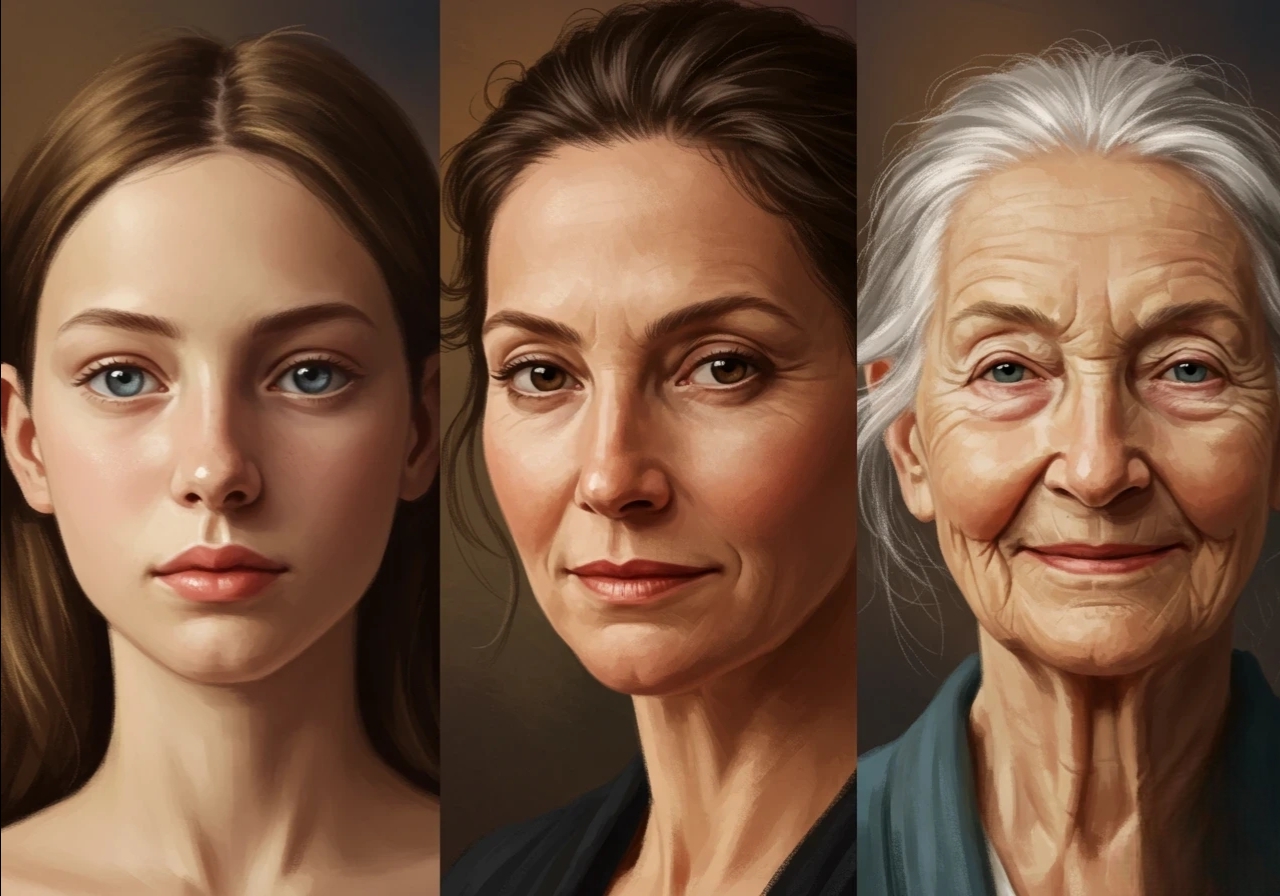
Many Changes Feel Emotional Too
Physical changes after 30 can affect:
Confidence
Motivation
Self-image
Mental health
Social pressure and unrealistic beauty standards often intensify anxiety about aging.
But aging itself is not the enemy.
Rapid decline is often more connected to lifestyle patterns than the number on your birthday cake.
When to Seek Medical Advice

Some Symptoms Should Not Be Ignored
While mild changes are normal, certain symptoms may indicate underlying health issues.
Consult a healthcare professional if you experience:
Severe fatigue
Sudden memory problems
Rapid muscle loss
Significant hair thinning
Hormonal symptoms
Unexplained skin changes
Persistent pain
Early intervention can help identify nutritional deficiencies, hormonal imbalances, or medical conditions.
Conclusion
The changes that happen after age 30 are real, but they are not a sudden collapse of health or vitality. Your body simply begins operating under different biological rules.
Muscle mass becomes harder to maintain. Memory becomes more vulnerable to stress and poor sleep. Skin becomes increasingly affected by inflammation, sun damage, and declining collagen production.
Yet these changes are heavily influenced by lifestyle.
The habits you practice daily — how you eat, move, sleep, recover, and manage stress — can either accelerate aging or slow it dramatically.
Aging well is less about chasing youth and more about protecting the systems that keep the body resilient.
Strength can be preserved. Memory can remain sharp. Skin can stay healthier for longer.
The earlier these habits begin, the greater the long-term benefits become.
Frequently Asked Questions (FAQs)
At what age does muscle loss begin?
Muscle loss can begin gradually in your 30s, especially without regular strength training and adequate protein intake.
Why does skin suddenly change after 30?
Collagen production naturally declines after 30, while cumulative sun damage, stress, and lifestyle habits begin becoming more visible.
Is memory decline normal after 30?
Mild changes in recall and concentration can occur, often linked to stress, sleep quality, and lifestyle factors rather than serious disease.
Can exercise slow aging?
Yes. Regular exercise supports muscle health, brain function, circulation, hormone balance, and skin health.
Does stress really make people age faster?
Chronic stress increases cortisol and inflammation, both of which can negatively affect the brain, muscles, skin, and overall aging.
What is the best anti-aging habit after 30?
Consistent healthy habits matter most:
Strength training
Quality sleep
Whole-food nutrition
Stress management
Sun protection
Regular movement


You must be logged in to post a comment.