
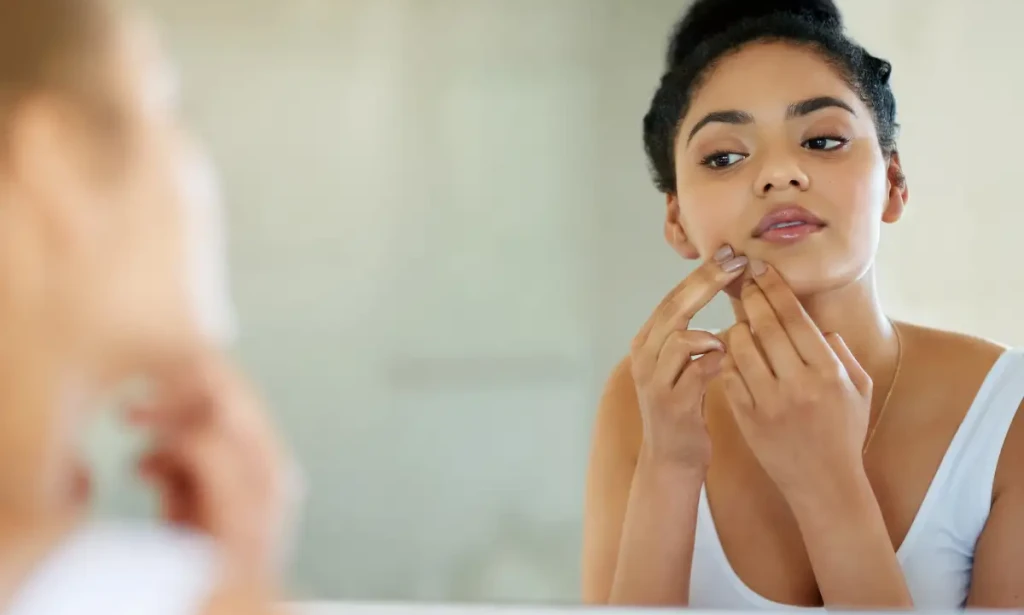
Pimples, also known as acne, are a common skin problem that affects teenagers and adults. They can appear when pores become blocked with excess oil and dead skin cells. While there is no guaranteed overnight cure, simple and natural skin-care habits can help reduce breakouts and prevent pimples from getting worse.
In this article, you will discover the top 10 natural ways to reduce pimples and maintain healthier-looking skin.
1. Wash Your Face Gently Twice a Day
Keeping your skin clean is important, but washing too often can irritate your skin and make acne worse.
Wash your face gently in the morning and before going to bed using lukewarm water and a mild cleanser. Avoid harsh scrubbing, rough sponges, and strong soaps.
2. Do Not Pop or Squeeze Pimples
It can be tempting to squeeze a pimple, but this may push material deeper into the skin. It can increase inflammation and raise the risk of scars or dark spots.
Instead, leave pimples alone and allow appropriate treatment and gentle skin care to work.
3. Keep Your Hands Away From Your Face
Your hands can transfer oil, dirt, and other substances to your face. Try to avoid constantly touching your face, especially when you have active breakouts.
Also, avoid picking at pimples because this can make them take longer to heal.
4. Use Non-Comedogenic Skin Products
Some oily skin-care products, makeup, and sunscreens can contribute to clogged pores.
Look for products labelled:
-
Non-comedogenic
-
Oil-free
-
Won't clog pores
Removing makeup before sleeping is also an important habit for acne-prone skin.
5. Keep Your Hair and Hair Products Away From Your Face
Oil from your hair and some hair products can contribute to breakouts, especially around the forehead.
Wash your hair regularly if it is oily and try to keep it away from your face.
6. Avoid Scrubbing Your Skin
Many people believe they can scrub pimples away. Unfortunately, aggressive scrubbing can irritate the skin and worsen breakouts.
Use your fingertips to gently cleanse your skin and pat it dry with a clean towel.
7. Shower After Heavy Sweating
Sweat can irritate acne-prone skin. After exercising or sweating heavily, shower or gently wash the affected areas as soon as practical.
Avoid rubbing your face roughly with a towel.
8. Avoid Harsh Home Remedies
Some popular home remedies can irritate or damage the skin. For example, toothpaste is not recommended as a pimple treatment because its ingredients can irritate the skin.
Be careful with unproven remedies such as strong lemon juice, harsh alcohol-based products, or aggressive DIY treatments. Evidence is also insufficient to recommend several popular botanical remedies as reliable acne treatments.
9. Be Patient and Consistent
Clearer skin takes time. Constantly changing your routine or trying a new treatment every few days may irritate your skin.
A consistent routine may take 6 to 8 weeks before noticeable improvement, and complete clearing can take longer.
10. Eat a Balanced Diet and Take Care of Your Overall Health
A healthy, balanced diet is good for your overall health. Some people may notice that certain foods seem to trigger their breakouts, but diet does not affect everyone in the same way.
You can pay attention to patterns in your own skin rather than relying on extreme diets. Research on specific diets and acne remains mixed.
A Simple Daily Routine for Pimples
Morning
-
Wash your face gently.
-
Apply a suitable non-comedogenic moisturizer if needed.
-
Use a non-comedogenic sunscreen when going outdoors.
Night
-
Remove makeup completely.
-
Wash your face gently.
-
Use gentle, acne-friendly skin-care products.g
-
Avoid touching or squeezing pimples.
When Should You See a Doctor or Dermatologist?
You should consider getting professional medical advice if your acne is severe, painful, causing scars, or not improving after consistent care. Deep nodules and cysts can have a higher risk of permanent scarring and may require prescription treatment.
A pharmacist or dermatologist can also recommend proven treatments based on the type and severity of your acne.

You must be logged in to post a comment.