
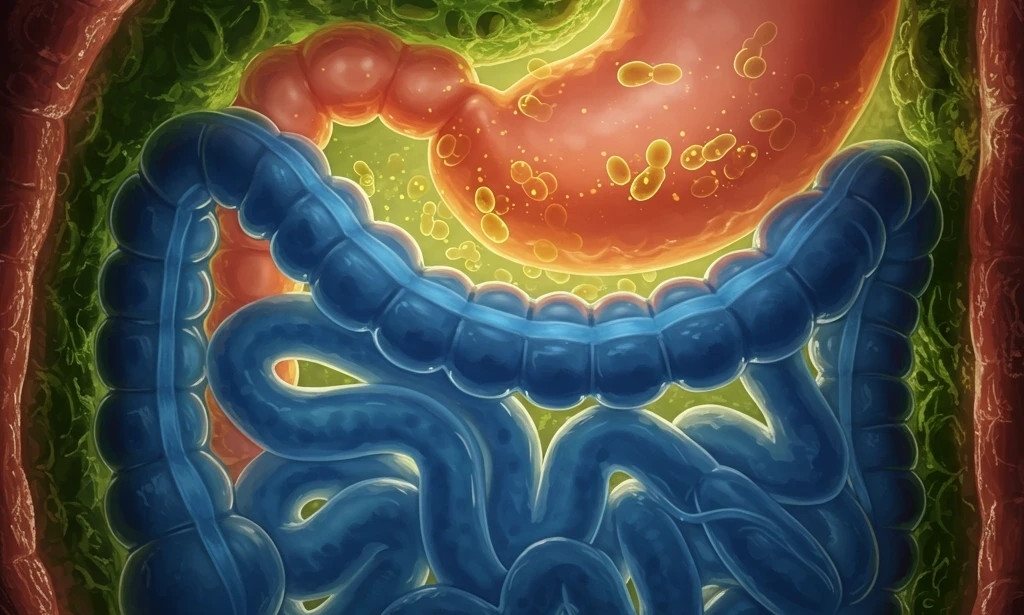
The Silent Stomach Killer: How Can Live Inside You for Years Without Warning

Introduction: A Hidden Threat Living Inside You
Imagine carrying a harmful bacterium in your stomach for years—without pain, without symptoms, without any warning. That’s the reality for millions of people infected with , commonly known as H. pylori.
This spiral-shaped bacterium quietly colonizes the stomach lining, often going unnoticed for decades. While some people remain symptom-free, others slowly develop serious complications like ulcers, chronic inflammation, nutrient deficiencies, and even stomach cancer.
The most alarming part? Many people don’t realize they’re infected until significant damage has already occurred.
What Is H. pylori and How Does It Survive in Your Stomach?
Understanding the Bacterium
H. pylori is a microaerophilic bacterium uniquely adapted to survive in the highly acidic environment of the human stomach. Most bacteria cannot live in such harsh conditions—but H. pylori has evolved special mechanisms to thrive.
How It Outsmarts Your Body
H. pylori survives by:
Producing urease enzyme, which neutralizes stomach acid
Burrowing into the stomach lining for protection
Avoiding immune system detection
Creating a long-term colonization environment
This allows it to live silently in your body for years—sometimes even for life.
How Common Is H. pylori Infection?
H. pylori infection is incredibly widespread:
Affects over 50% of the global population
More common in developing countries
Often acquired during childhood
Can persist without treatment
Many people carry it without ever knowing.
H. pylori Transmission: How Do You Get It?
Common Transmission Routes
H. pylori spreads through:
Contaminated food or water
Poor hygiene practices
Person-to-person contact (saliva, utensils)
Unsanitary living conditions
High-Risk Factors
You may be more likely to get infected if you:
Live in crowded conditions
Lack access to clean water
Share eating utensils frequently
Have close contact with infected individuals
The Silent Damage: What Happens Inside Your Stomach?
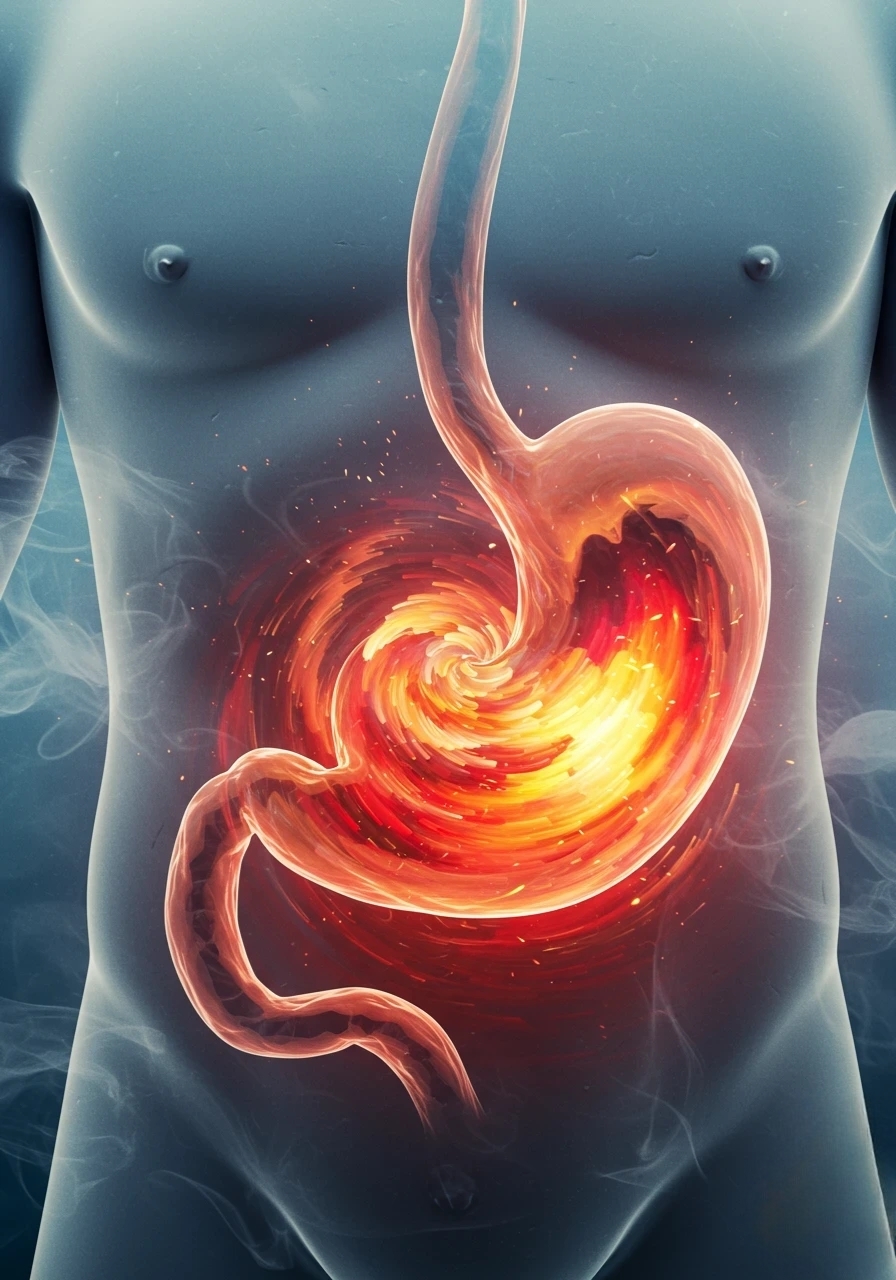
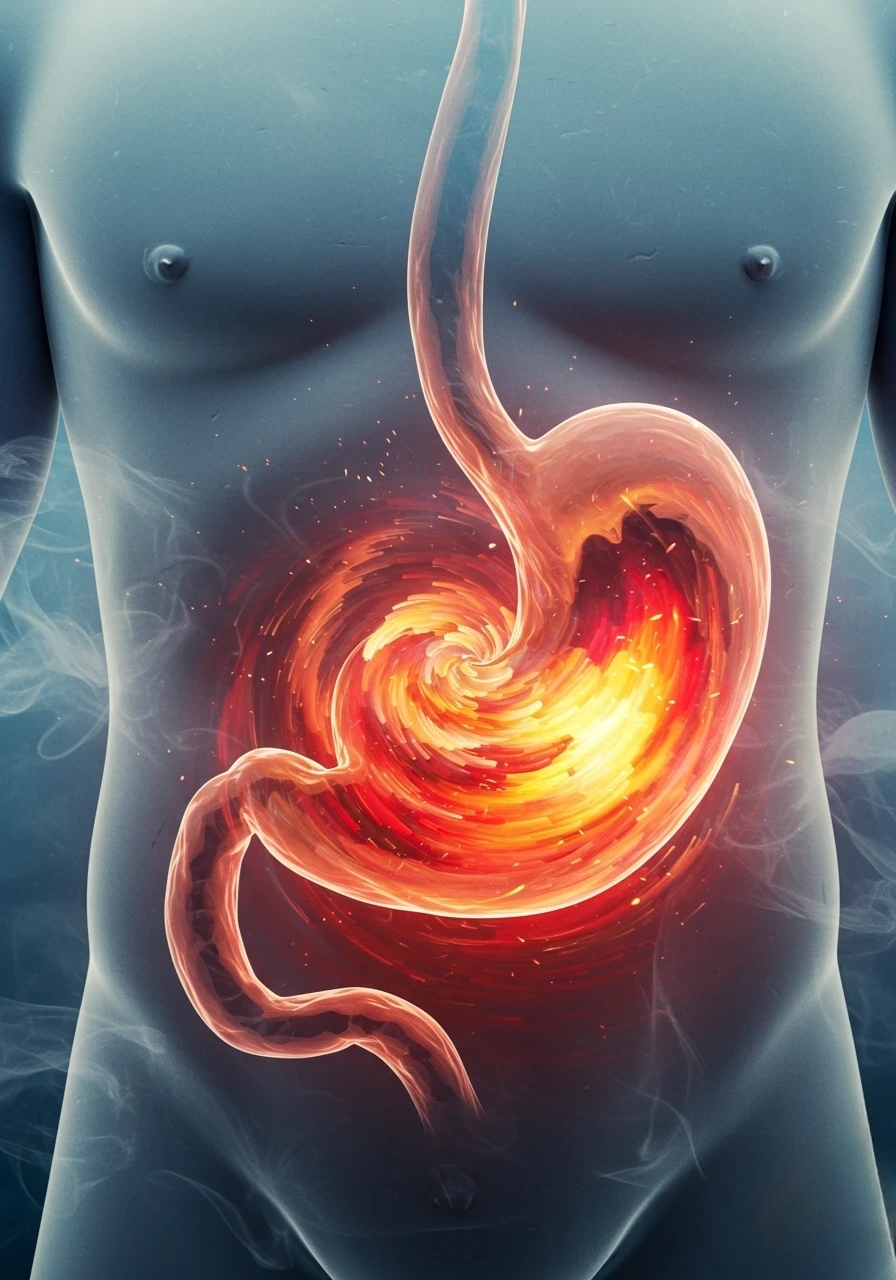
H. pylori doesn’t always cause immediate symptoms—but it continuously irritates your stomach lining.
Chronic Inflammation (Gastritis)
Persistent irritation leads to gastritis
Weakens the stomach’s protective lining
Makes it vulnerable to acid damage
Ulcer Formation
Damaged lining allows acid to create painful sores
Leads to peptic ulcers in stomach or small intestine
Cellular Changes
Over time, chronic infection can cause:
DNA damage
Abnormal cell growth
Increased cancer risk
Symptoms: Why Many People Don’t Notice Anything
One of the most dangerous aspects of H. pylori is its lack of obvious symptoms.
Common (But Often Ignored) Symptoms
Mild stomach discomfort
Bloating
Nausea
Frequent burping
Loss of appetite
Severe Symptoms (Advanced Cases)
Burning stomach pain
Vomiting
Black stools (internal bleeding)
Unexplained weight loss
Many people dismiss early symptoms as “normal digestion issues.”
H. pylori and Ulcers: A Painful Connection
H. pylori is responsible for:
Up to 90% of duodenal ulcers
70–80% of gastric ulcers
How Ulcers Form
Bacteria weaken the stomach lining
Acid penetrates deeper tissues
Open sores develop
Complications of Untreated Ulcers
Internal bleeding
Perforation (holes in the stomach)
Severe infection
Nutrient Deficiency: The Hidden Consequence
Chronic H. pylori infection interferes with your body’s ability to absorb essential nutrients.
Key Deficiencies Linked to H. pylori
Vitamin B12 deficiency
Iron deficiency anemia
Magnesium imbalance
Symptoms of Nutrient Deficiency
Fatigue
Weakness
Memory issues
Pale skin
Hair loss
These symptoms are often misdiagnosed or overlooked.
The Cancer Risk: A Serious Long-Term Threat
H. pylori is classified as a Group 1 carcinogen by the World Health Organization.
How It Leads to Cancer
Chronic inflammation damages cells
Causes genetic mutations
Leads to abnormal tissue growth
Types of Cancer Linked to H. pylori
Gastric (stomach) cancer
MALT lymphoma (a rare immune-related cancer)
Risk Factors That Increase Cancer Development
Long-term untreated infection
Smoking
Poor diet
Family history of stomach cancer
Diagnosis: How Do You Know If You Have It?
Detecting H. pylori is simple and non-invasive.
Common Testing Methods
Breath test (most common)
Stool antigen test
Blood antibody test
Endoscopy (for severe cases)
When Should You Get Tested?
Persistent stomach discomfort
History of ulcers
Family history of stomach cancer
Unexplained nutrient deficiencies
Treatment: Can H. pylori Be Cured?
Yes—H. pylori is treatable and curable.
Standard Treatment Approach
Antibiotics (2 types) to kill bacteria
Proton pump inhibitors (PPIs) to reduce acid
Treatment duration: 10–14 days
Important Considerations
Complete the full course of medication
Avoid skipping doses
Follow up with testing to confirm eradication
Diet and Lifestyle: Supporting Your Recovery
Foods That May Help
Fruits and vegetables rich in antioxidants
Probiotic foods (yogurt, kefir)
Garlic and green tea
Foods to Avoid
Spicy foods
Processed foods
Excess caffeine
Alcohol
Healthy Habits
Wash hands regularly
Drink clean, filtered water
Avoid sharing utensils
Maintain good hygiene
Prevention: How to Protect Yourself
While H. pylori is common, you can reduce your risk.
Key Prevention Tips:
Practice proper handwashing
Eat well-cooked food
Avoid contaminated water
Maintain a strong immune system
Who Is Most at Risk?
Certain groups are more vulnerable:
People living in crowded environments
Individuals with poor sanitation access
Older adults
Those with weakened immunity
Myths vs Facts About H. pylori
Common Myths
“If I have no symptoms, I’m fine”
“It only causes mild stomach issues”
“It goes away on its own”
The Reality
It can silently cause serious damage
Symptoms may appear very late
Medical treatment is required
When Should You See a Doctor?
Seek medical attention if you experience:
Persistent stomach pain
Difficulty eating
Blood in stool or vomit
Chronic fatigue
Early diagnosis can prevent severe complications.
Conclusion: Don’t Ignore the Silent Danger
is one of the most underestimated health threats affecting millions worldwide. Its ability to live silently in the stomach—causing damage over years without warning—makes it particularly dangerous.
From ulcers to nutrient deficiencies and even cancer, the long-term effects can be life-altering. The good news is that early detection and proper treatment can completely eliminate the infection.
Ignoring it, however, allows it to continue its silent destruction.
Frequently Asked Questions (FAQs)
1. Can H. pylori go away on its own?
No, it usually requires antibiotic treatment to be fully eliminated.
2. Is H. pylori contagious?
Yes, it can spread through saliva, contaminated food, and water.
3. Can I have H. pylori without symptoms?
Yes, many people remain symptom-free for years.
4. How long does treatment take?
Typically 10–14 days, followed by a confirmation test.
5. Can H. pylori cause cancer?
Yes, long-term infection increases the risk of stomach cancer.
6. Should everyone get tested?
Not necessarily—testing is recommended if symptoms or risk factors are present.
Final Takeaway
Your stomach might be silently fighting a battle you’re unaware of. Listening to subtle signals, maintaining hygiene, and seeking timely medical advice can make all the difference.
Because sometimes, the most dangerous threats are the ones you don’t feel—until it’s too late.


You must be logged in to post a comment.