

The Rise of Solo Living: Why People Are Choosing Loneliness
Introduction: A Quiet Shift in How We Live
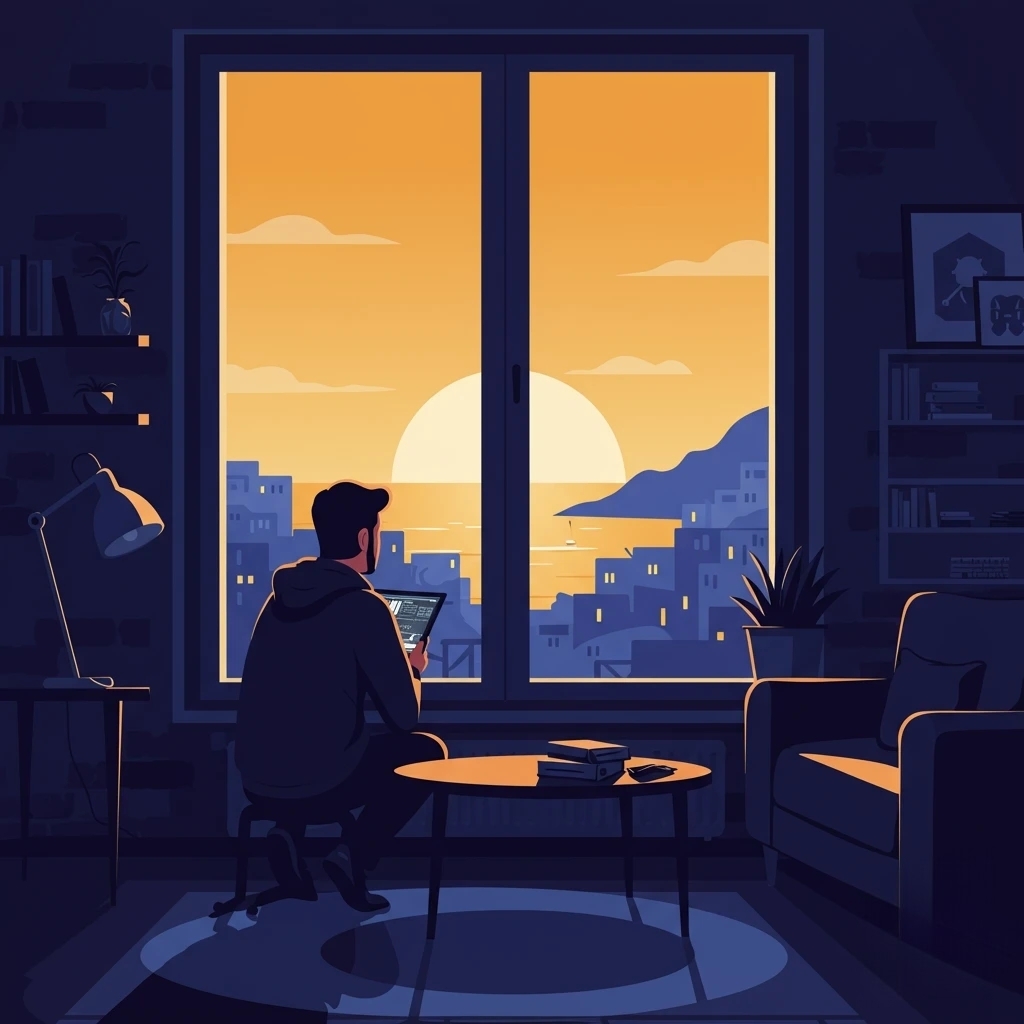
Solo living is no longer a fringe lifestyle. Across the world, more people are choosing to live alone than ever before. From bustling cities like and to smaller urban centers, single-person households are rapidly increasing.
This shift reflects deeper changes in culture, economics, technology, and personal values. While living alone can mean freedom and self-discovery, many worry it also signals rising loneliness and social fragmentation.
This long-form guide explores the rise of solo living, why people are choosing it, what it means for mental health and society, and how to build connection in an increasingly individualistic world.
Understanding Solo Living in the Modern World
What Is Solo Living?
Solo living refers to people choosing to live independently in their own households, without roommates, partners, or family members.
It is not always about isolation. For many, it represents:
Personal freedom
Privacy and autonomy
Control over daily routines
Space for self-growth
How Common Is Solo Living Today?
Single-person households are rising in many developed and developing countries. Urbanization, delayed marriage, and longer life expectancy all contribute to this trend.
Key drivers include:
Later marriage and childbearing
Higher rates of divorce
Migration to cities for work
Increased financial independence
Cultural Shifts Fueling the Rise of Solo Living
Individualism Over Collectivism
Modern societies increasingly celebrate independence. People are encouraged to prioritize personal goals over traditional family structures.
This cultural shift promotes:
Self-reliance
Career-first lifestyles
Personal fulfillment
Non-traditional living arrangements
Changing Relationship Norms
Romantic partnerships are evolving. Many people delay commitment or reject traditional relationship timelines.
Contributing factors include:
Career pressures
Fear of long-term commitment
Desire for personal space
Exposure to alternative lifestyles through media
The Influence of Media and Pop Culture
Films, TV shows, and books often romanticize solo living. Stories centered on independent characters living alone in cities shape expectations of adulthood and success.
Cultural narratives increasingly present living alone as:
Empowering
Stylish
A symbol of success
A phase of self-discovery
Economic and Structural Factors Behind Living Alone
Rising Incomes and Financial Independence
As more people gain financial autonomy, living alone becomes a realistic option.
Economic enablers include:
Dual-income households becoming less necessary
Women’s increased participation in the workforce
Remote work flexibility
Expanding rental markets
Urbanization and Smaller Households
Cities attract individuals seeking careers, education, and lifestyle opportunities.
Urban living supports solo lifestyles by offering:
Smaller apartments
Walkable neighborhoods
Access to services
Social venues outside the home
Housing Markets and Affordability Challenges
Ironically, housing costs also drive solo living in some contexts.
Examples include:
People delaying marriage due to financial uncertainty
Choosing small studios over shared spaces
Preferring privacy despite higher costs
Psychological Motivations: Why People Choose to Live Alone
The Desire for Autonomy
Many people crave full control over their environment and schedule.
Benefits include:
Freedom to design one’s space
No compromises on lifestyle habits
Personal routines without negotiation
Burnout from Social Overload
In hyper-connected societies, constant interaction can be exhausting.
Solo living offers:
Mental space
Quiet and calm
Reduced emotional labor
Time to recharge
Healing After Relationship Trauma
After breakups or family conflict, living alone can feel safer and more stable.
People choose solitude to:
Rebuild confidence
Process emotions
Establish boundaries
Rediscover identity
Loneliness vs. Solitude: Understanding the Difference
Healthy Solitude Can Be Empowering
Solitude is a choice. It can nurture creativity, reflection, and emotional clarity.
Healthy solitude supports:
Self-awareness
Personal growth
Creativity
Emotional regulation
Loneliness Is an Emotional Experience
Loneliness is not about physical isolation. It is about feeling emotionally disconnected.
Signs of loneliness include:
Feeling unseen or unheard
Lack of meaningful connection
Persistent sadness
Low sense of belonging
Why Solo Living Can Increase Loneliness
Living alone does not automatically cause loneliness. However, it can increase the risk when social support is weak.
Risk factors include:
Remote work isolation
Lack of close friendships
Digital-only communication
Limited community engagement
Technology’s Role in the Solo Living Trend
Digital Convenience Replacing Shared Living
Apps and platforms make it easier to live alone.
Examples include:
Food delivery services
Streaming entertainment
Online shopping
Virtual communication
These tools reduce reliance on shared households.
Social Media and the Illusion of Connection
Online interactions can feel like connection but may lack emotional depth.
Potential downsides:
Superficial relationships
Comparison-driven loneliness
Reduced face-to-face interaction
Social fatigue
Remote Work and Isolation
Remote work supports solo living but can also reduce daily human interaction.
This creates a paradox:
More freedom
Fewer spontaneous social moments
Increased risk of emotional isolation
The Mental Health Impact of Living Alone
Potential Benefits for Mental Well-Being
When chosen intentionally, living alone can be healthy.
Positive outcomes include:
Reduced conflict
Increased self-confidence
Better emotional regulation
Improved focus
Risks of Chronic Loneliness
Prolonged loneliness can impact mental and physical health.
Potential effects include:
Anxiety and depression
Sleep disturbances
Weakened immune function
Lower life satisfaction
Vulnerable Groups in Solo Living
Some groups face higher risks of negative outcomes:
Elderly individuals
People new to cities
Remote workers
Recently divorced individuals
Social Consequences of the Solo Living Boom
The Decline of Traditional Community Structures
Neighborhood ties and extended families are weakening in many societies.
This can lead to:
Reduced mutual support
Fewer shared rituals
Increased emotional distance
Weaker social safety nets
New Forms of Community Are Emerging
People are forming alternative communities.
Modern connection spaces include:
Co-working hubs
Fitness studios
Online communities
Interest-based groups
The Rise of Intentional Communities
Some people seek balance by joining co-living spaces or communal living arrangements.
These communities offer:
Shared resources
Built-in social interaction
Privacy with connection
Flexible commitment
Global Perspectives on Solo Living
Urban Centers Leading the Trend
Major cities show the highest rates of solo living due to mobility and career opportunities.
Examples include:
Cultural Differences in Living Alone
In some cultures, solo living is normalized. In others, it carries stigma.
Cultural responses include:
Acceptance in Western urban cultures
Family-oriented expectations in collectivist societies
Generational differences in attitudes
Aging Populations and Solo Seniors
Longer life expectancy means more older adults live alone.
Challenges include:
Social isolation
Mobility issues
Health access
Emotional well-being
The Rise of “Loneliness Economies”
Products and Services Targeting Solo Consumers
Markets are adapting to single-person households.
Examples include:
Single-serve meals
Compact appliances
Micro-apartments
Subscription services
The Wellness Industry and Loneliness
Wellness brands increasingly target emotional well-being.
Services include:
Therapy platforms
Mindfulness apps
Online support groups
Virtual fitness communities
Commercializing Connection
Some businesses sell the promise of connection.
This raises questions about:
Authenticity
Long-term emotional fulfillment
Replacing real community with paid experiences
How to Thrive While Living Alone
Build Intentional Social Connections
Connection requires effort when you live alone.
Practical strategies:
Schedule regular meetups
Join interest-based groups
Volunteer locally
Maintain family ties
Create Daily Rituals of Connection
Small habits can reduce loneliness.
Examples include:
Morning walks in social spaces
Weekly calls with friends
Regular café visits
Community classes
Balance Solitude With Social Energy
Healthy solo living is about balance.
Tips for balance:
Plan social time in advance
Protect quiet time
Avoid long stretches of isolation
Mix online and offline connection
The Future of Solo Living
Will Living Alone Become the Norm?
Trends suggest single-person households will continue to rise.
Contributing factors include:
Urban lifestyles
Flexible work arrangements
Changing family structures
Longevity
Designing Cities for Solo Residents
Urban planning must adapt.
Future cities may prioritize:
Smaller housing units
Shared public spaces
Walkable neighborhoods
Community hubs
Reimagining Community in an Individual Age
Society is redefining what belonging looks like.
New models emphasize:
Flexible communities
Chosen families
Interest-based networks
Hybrid online-offline connection
Addressing the Loneliness Epidemic
Why Loneliness Is a Public Health Issue
Loneliness affects physical health, productivity, and social cohesion.
Public health responses may include:
Community-building programs
Mental health awareness
Urban design for connection
Workplace social initiatives
Policy and Community Solutions
Governments and organizations can help reduce isolation.
Effective approaches include:
Funding community centers
Supporting co-living models
Encouraging neighborhood events
Expanding mental health access
What Individuals Can Do
You can shape your experience of solo living.
Action steps:
Invest in friendships
Seek meaningful routines
Ask for help when needed
Create a life rich in connection
Common Myths About Solo Living
Myth 1: Living Alone Means You Are Lonely
Many people who live alone feel deeply connected to others.
Myth 2: Solo Living Is Selfish
Choosing independence can be healthy and responsible.
Myth 3: Living Alone Is Only for the Young
People of all ages choose solo living for different reasons.
Final Thoughts: Choosing Solitude Without Choosing Loneliness
The rise of solo living reflects a profound shift in how people define freedom, success, and connection. Living alone can be empowering, peaceful, and deeply fulfilling.
Yet, humans are wired for connection. The challenge is not whether to live alone, but how to live well while doing so.
By building intentional relationships, creating meaningful routines, and engaging with community in new ways, it is possible to enjoy solitude without slipping into loneliness.
Solo living is not the end of community. It is an invitation to reimagine connection in a world where independence and belonging must coexist.

You must be logged in to post a comment.