
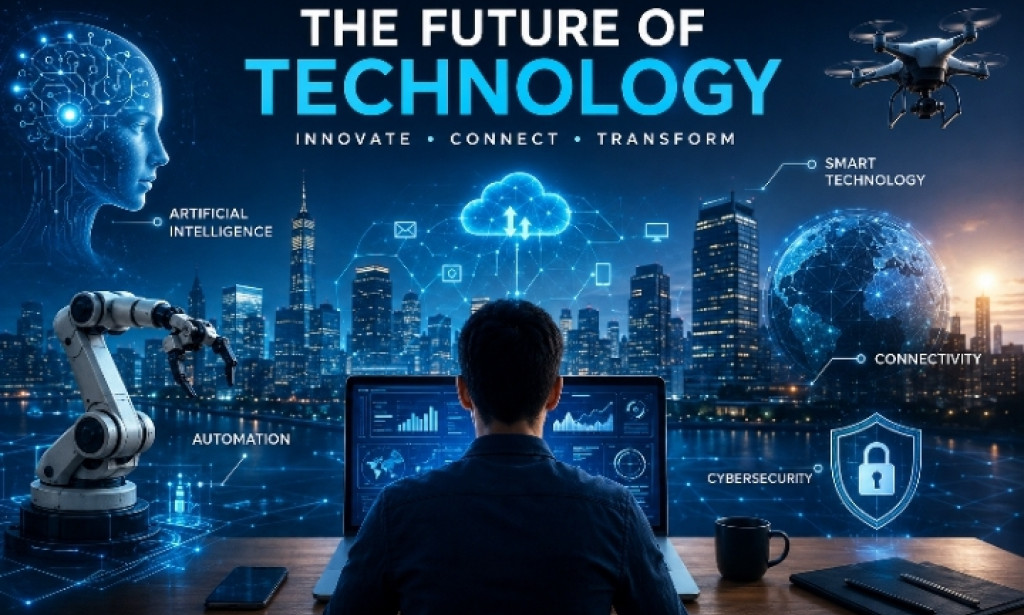
Technology has become one of the most powerful forces shaping the modern world. From the smartphones we use daily to artificial intelligence systems that automate tasks, innovation continues to transform the way people live, work, communicate, and do business.
Over the past decade, technology has grown rapidly across different industries. Businesses now rely heavily on digital tools to improve productivity, customer service, and communication. Small businesses can now reach global audiences through social media, websites, and online marketplaces without needing a physical office.
One of the biggest advancements in technology today is Artificial Intelligence (AI). AI-powered tools are helping businesses automate repetitive tasks, analyze data faster, and improve decision-making. Virtual assistants, chatbots, and smart applications are becoming more common in workplaces, making operations easier and more efficient.
Remote work is another major impact of technology. Many companies now hire employees and virtual assistants from different parts of the world. Communication tools like video conferencing apps, project management platforms, and cloud storage systems have made it easier for teams to collaborate from anywhere.
Cybersecurity has also become increasingly important as more personal and business activities move online. Companies now invest heavily in protecting user data, preventing cyber attacks, and ensuring online safety. Individuals are also encouraged to use strong passwords, secure networks, and digital protection tools to stay safe online.
Technology is also changing education. Students can now access online courses, digital libraries, and virtual classrooms from the comfort of their homes. Learning has become more flexible, giving people opportunities to develop new skills regardless of their location.
In the healthcare industry, modern technology has improved medical treatments, online consultations, patient monitoring, and health data management. Doctors can now diagnose illnesses faster with advanced medical equipment and digital systems.
Despite these benefits, technology also comes with challenges such as digital addiction, privacy concerns, misinformation, and job displacement caused by automation. This is why it is important for people to continuously learn new digital skills and adapt to changing trends.
The future of technology looks promising. Innovations like robotics, blockchain, artificial intelligence, and smart devices are expected to continue shaping the global economy and creating new opportunities for businesses and professionals.
As technology evolves, one thing remains certain: those who embrace innovation and stay updated with digital trends will have a greater advantage in the modern world.
Conclusion
Technology is no longer just a tool; it has become an essential part of everyday life. Whether in business, education, healthcare, or communication, digital innovation continues to open doors to endless possibilities. Staying informed and adaptable is the key to succeeding in this fast-changing technological era.


You must be logged in to post a comment.