
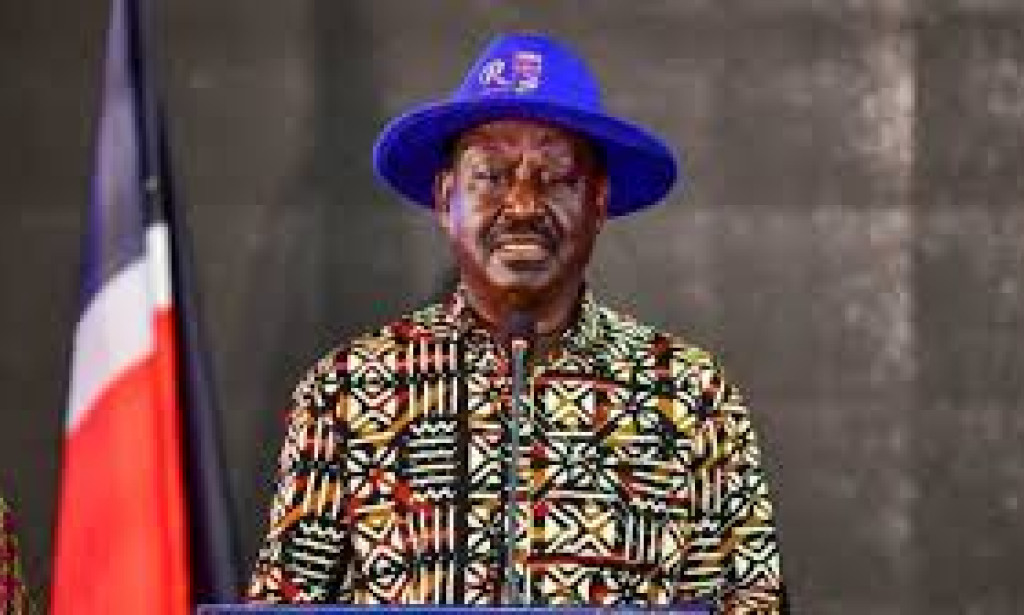
A wave of shocking social posts and sensational headlines has claimed that Raila Odinga, one of Kenya’s most prominent political figures, has died and implicated President William Ruto in a clandestine assassination. Before outrage hardens into conspiracy, responsible inquiry demands rigorous verification, context, and restraint.
Extraordinary claims require extraordinary evidence. In situations like this, the most reliable signals are official confirmations from multiple independent sources: a hospital statement, family or party confirmation, government communiqué, and reporting by established international and local media organizations such as Reuters, BBC, or trusted Kenyan outlets. Absent that, viral posts—even those with dramatic photos or videos—can easily be doctored, repurposed from older events, or the product of coordinated misinformation campaigns.
If credible allegations of foul play surface, they must be handled through proper legal and journalistic channels. Independent law enforcement and forensics should lead criminal inquiries; reputable journalists should corroborate with court records, medical reports, and statements from verified witnesses. Public figures accused of crimes are entitled to due process: accusations should be described as allegations until proven in court, and reporting must avoid asserting guilt as fact.
Misinformation thrives on uncertainty and emotion. Social media rewards quick, headline‑friendly claims, not careful sourcing. To protect public discourse, platforms, media houses, and civic groups should amplify verified facts and flag uncorroborated claims. Citizens can help by pausing before sharing, checking multiple reliable outlets, and consulting official accounts—family, party spokespeople, and national authorities.
If you believe you possess verifiable evidence of a crime, the appropriate step is to present that evidence to competent investigative bodies or accredited journalists, not to circulate accusatory claims on social media. For researchers and reporters, building a case means assembling chain‑of‑custody documentation, corroborated eyewitness testimony, and forensic analyses that withstand legal scrutiny.
Allegations involving senior political leaders strike at the heart of public trust. The right response balances urgency with method: verify, demand independent investigation, and report responsibly. Until independent, credible evidence is publicly produced and scrutinized, claims of assassination should be treated with caution—not because they are unimportant, but because justice depends on facts, not rumor.


You must be logged in to post a comment.