
Healthy but Dangerous? The Dark Side of Drinking Too Much Water
Introduction
Water is life. It fuels every cell, supports digestion, regulates body temperature, and keeps our organs functioning smoothly. Health advice across the world consistently encourages us to drink more water—carry a bottle, stay hydrated, aim for 8 glasses a day.
But what if too much of a good thing becomes harmful?
While dehydration is widely recognized as dangerous, overhydration is often overlooked. Drinking excessive amounts of water can disrupt the body’s delicate balance, leading to serious—even life-threatening—consequences. This condition, known as water intoxication, is rare but real.
In this article, we’ll explore the surprising dangers of drinking too much water, how it affects your body, warning signs to watch for, and how to stay properly hydrated without crossing the line.
What Happens When You Drink Too Much Water?
The Body’s Fluid Balance System
Your body carefully regulates water through a balance of intake and output. The kidneys play a crucial role, filtering excess fluid and maintaining electrolyte levels—especially sodium.
Normal kidney function can process about 0.8 to 1.0 liters of water per hour
Drinking more than this overwhelms the system
Excess water dilutes essential minerals in the blood
The Role of Sodium
Sodium is a critical electrolyte that helps regulate:
Nerve function
Muscle contractions
Fluid balance inside and outside cells
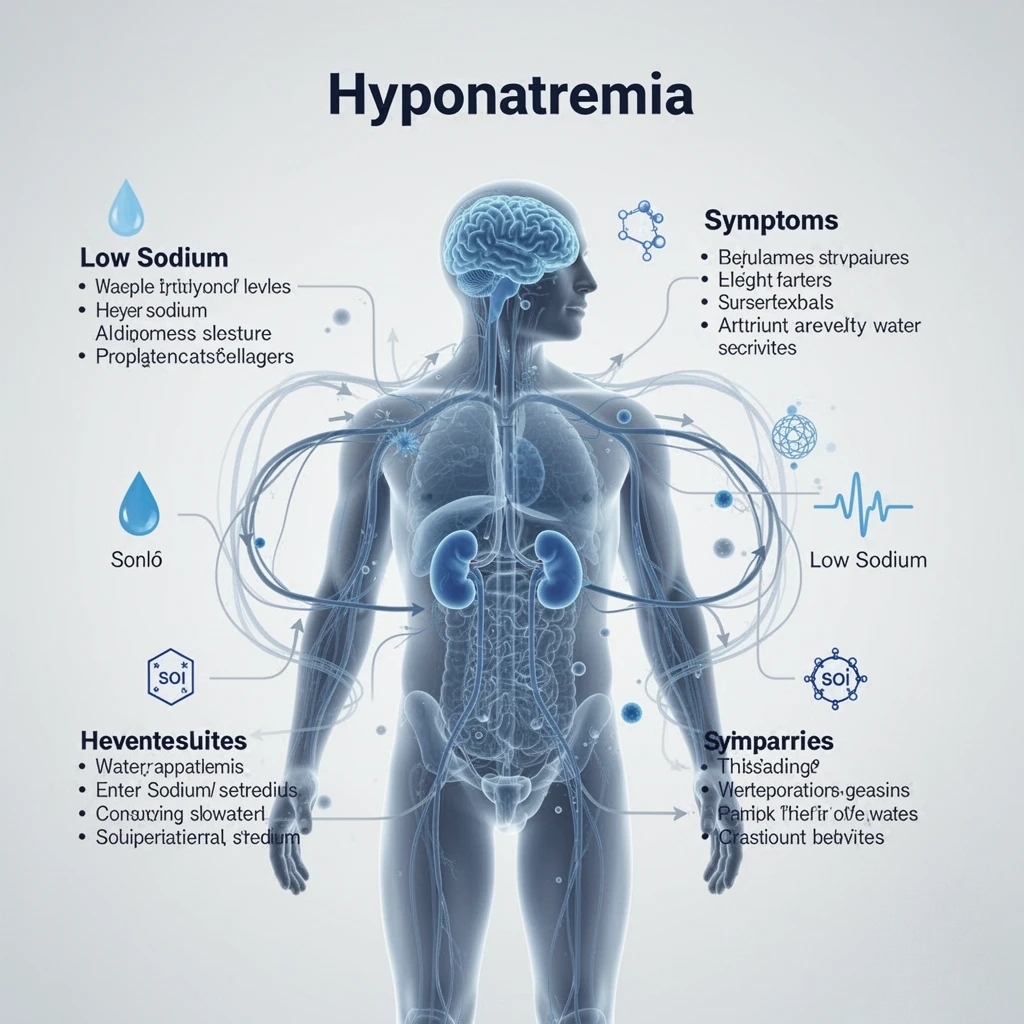
When you drink too much water, sodium levels drop—a condition called hyponatremia.
Understanding Hyponatremia
What Is Hyponatremia?
Hyponatremia occurs when sodium levels in the blood become dangerously low due to dilution. This disrupts the balance of fluids between cells and the bloodstream.
Why It’s Dangerous
Low sodium causes water to move into cells, making them swell. While swelling in other parts of the body may go unnoticed, swelling in the brain is extremely dangerous.
The skull cannot expand
Brain swelling increases pressure
This can lead to confusion, seizures, coma, or death
Early Warning Signs of Overhydration
Recognizing symptoms early can prevent serious complications.
Common Symptoms
Nausea and vomiting
Headaches
Bloating
Frequent urination
Clear or colorless urine
Neurological Symptoms
As the condition worsens:
Confusion or disorientation
Difficulty concentrating
Irritability
Drowsiness
Severe Symptoms
Muscle cramps or weakness
Seizures
Loss of consciousness
Who Is Most at Risk?
While anyone can overdrink water, certain groups are more vulnerable.
Endurance Athletes
Marathon runners and long-distance athletes often drink excessive water during eóqents.
Fear of dehydration leads to overconsumption
Sweating causes sodium loss
Combined effect increases risk of hyponatremia
Fitness Enthusiasts
Overhydration can occur during intense workouts if water intake exceeds sweat loss.
People Following “Water Challenges”
Social media trends encouraging excessive water intake can be dangerous.
Individuals with Certain Medical Understanding
Kidney disorders
Hormonal imbalances (like SIADH)
Mental health conditions causing compulsive water drinking
The Myth of “More Water Is Always Better”
The 8-Glasses-a-Day Rule
This popular guideline is not universally accurate. Hydration needs vary based on:
Body weight
Climate
Activity level
Diet
Overhydration vs. Hydration
Drinking beyond your body’s needs does not provide extra health benefits.
It does not “detox” your body faster
It does not improve skin infinitely
It may strain your kidneys
How Much Water Is Too Much?
General Guidelines
While exact needs vary, a safe range for most adults is:
2 to 3 liters per day (including food and beverages)
Red Flags for Excess Intake
Drinking more than 1 liter per hour
Forcing water intake without thirst
Urine consistently clear all day
The Science Behind Water Intoxication
Cellular Swelling
When sodium levels drop:
Water enters cells through osmosis
Cells expand and become dysfunctional
Brain Edema
In severe cases:
Brain cells swell
Pressure builds inside the skull
Oxygen supply may be compromised
Impact on Organs
Kidneys struggle to filter excess water
Heart function may be affected due to electrolyte imbalance
Real-Life Cases: When Water Turns Deadly
Though rare, several documented cases highlight the risks:
Endurance athletes collapsing during races
Contest participants drinking large volumes rapidly
Individuals following extreme hydration routines
These cases show that even something as harmless as water can become dangerous when consumed irresponsibly.
Hydration Myths That Can Harm You
Myth 1: “Clear Urine Means Perfect Health”
Pale yellow urine is ideal
Completely clear urine may indicate overhydration
Myth 2: “Drink Even If You’re Not Thirsty”
Thirst is a reliable indicator for most people
Forcing water intake can disrupt balance
Myth 3: “More Water Flushes Toxins Faster”
The body already has efficient detox systems (kidneys and liver)
Excess water does not speed up detoxification
Signs You Are Drinking the Right Amount
Healthy Hydration Indicators
Light yellow urine
Stable energy levels
No persistent thirst or bloating
Normal urination frequency (6–8 times/day)
Smart Hydration Strategies
Listen to Your Body
Drink when thirsty
Adjust intake based on activity and weather
Balance Electrolytes
Especially important during exercise:
Include sodium and potassium
Use electrolyte drinks if needed
Avoid Rapid Intake
Sip water gradually
Avoid drinking large volumes at once
Consider Food Sources
Hydration also comes from:
Fruits (watermelon, oranges)
Vegetables (cucumbers, lettuce)
Soups and broths
Special Considerations for Athletes
Hydration During Exercise
Drink according to sweat loss
Avoid overcompensating
Use Electrolyte Solutions
Prevent sodium dilution
Maintain performance
Monitor Body Weight
Sudden weight gain during exercise may indicate overhydration
The Role of Kidneys in Water Regulation
How Kidneys Handle Excess Water
Filter blood continuously
Remove excess fluid through urine
When They Get Overwhelmed
Excess intake exceeds filtration rate
Water accumulates in the body
Electrolyte imbalance occurs
Can Drinking Too Much Water Affect Your Brain?
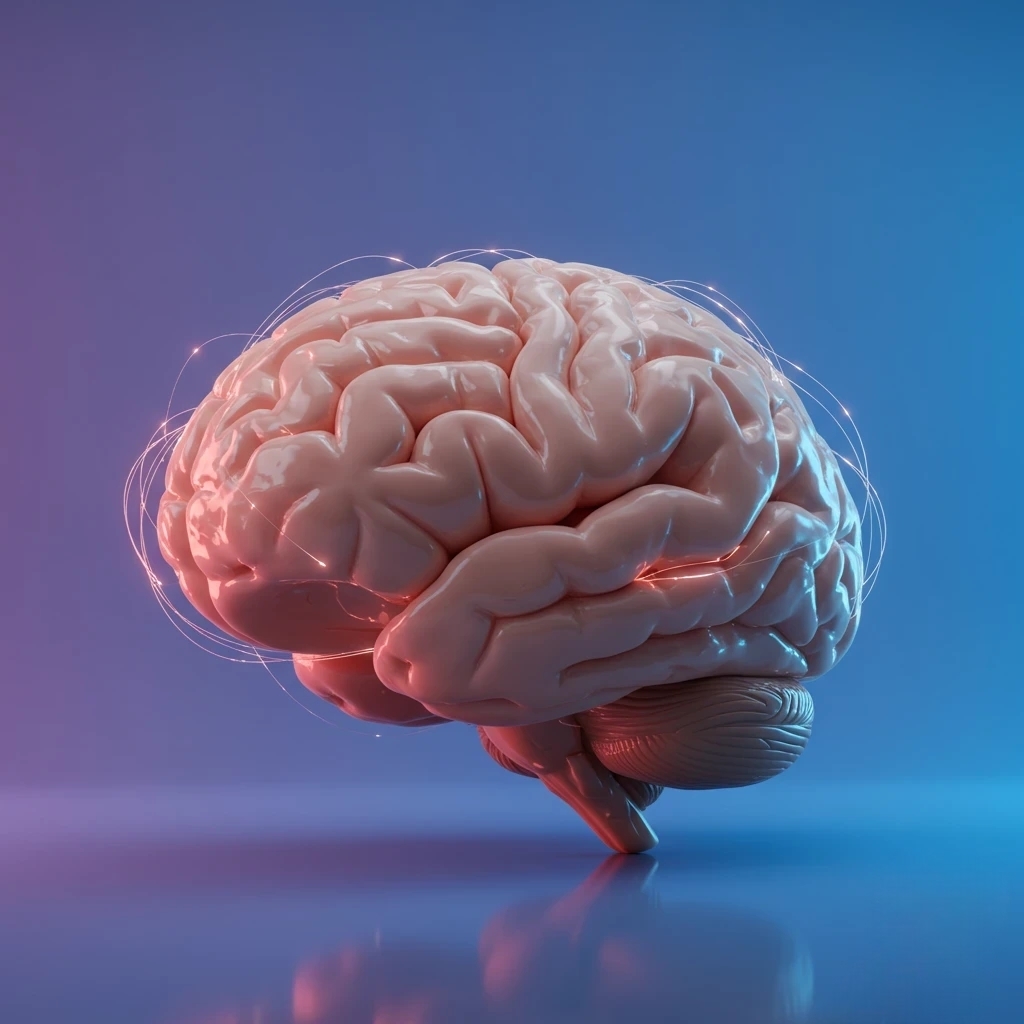
Yes—and this is the most dangerous aspect.
Brain Swelling Effects
Increased intracranial pressure
Reduced oxygen supply
Impaired neural function
Symptoms to Watch
Severe headache
Confusion
Seizures
Immediate medical attention is critical in such cases.
Overhydration vs. Dehydration: Finding Balance
Dehydration Risks
Fatigue
Dizziness
Kidney problems
Overhydration Risks
Hyponatremia
Brain swelling
Organ dysfunction
The Sweet Spot
Balance is key—neither too little nor too much.
Practical Daily Hydration Plan
Morning
1 glass after waking up
Throughout the Day
Sip water regularly
Adjust for activity and heat
During Exercise
Drink based on sweat loss
Include electrolytes if needed
Evening
Avoid excessive intake before bed
When to Seek Medical Help

Seek immediate care if you experience:
Persistent vomiting
Severe headache
Confusion or disorientation
Seizures
These could be signs of severe hyponatremia.
Conclusion
Water is essential—but more is not always better.
In a world obsessed with hydration trends and “drink more water” advice, it’s easy to overlook the risks of excess. Overhydration can silently disrupt your body’s balance, leading to serious consequences if ignored.
The key is balance:
Drink when your body needs it
Avoid extremes
Pay attention to signals like thirst and urine color
Your body is remarkably intelligent—it knows when it needs water. Trust it, support it, and avoid the hidden dangers of going overboard.
Because sometimes, even the healthiest habits can become harmful when taken too far.
Frequently Asked Questions (FAQs)
1. Can drinking too much water really be fatal?
Yes, in extreme cases. Severe overhydration can cause brain swelling, leading to coma or death.
2. How do I know if I’m overhydrated?
Look for symptoms like clear urine all day, bloating, nausea, and frequent urination.
3. Is it possible to drink too much water in one sitting?
Yes. Rapid consumption of large amounts can overwhelm the kidneys and dilute sodium levels quickly.
4. Should I drink water even if I’m not thirsty?
Not necessarily. Thirst is a reliable signal for most healthy individuals.
5. Are athletes more at risk of overhydration?
Yes, especially during endurance events where excessive water intake and sodium loss occur.
6. What’s the safest way to stay hydrated?
Drink according to thirst, monitor urine color, and balance fluids with electrolytes when needed.


You must be logged in to post a comment.