
The Question Everyone Asks: What Counts as "Excessive"?
One of the most frequently asked questions is, "How often is too often?"
There is no universal number that determines whether masturbation is excessive. What matters is not the frequency itself but the impact it has on your life.
A habit may be considered excessive when it:
Interferes with work, school, or personal responsibilities.
Causes physical discomfort or irritation.
Becomes difficult to control despite repeated efforts to reduce it.
Leads to social withdrawal or isolation.
Creates feelings of guilt, distress, or emotional dependence.
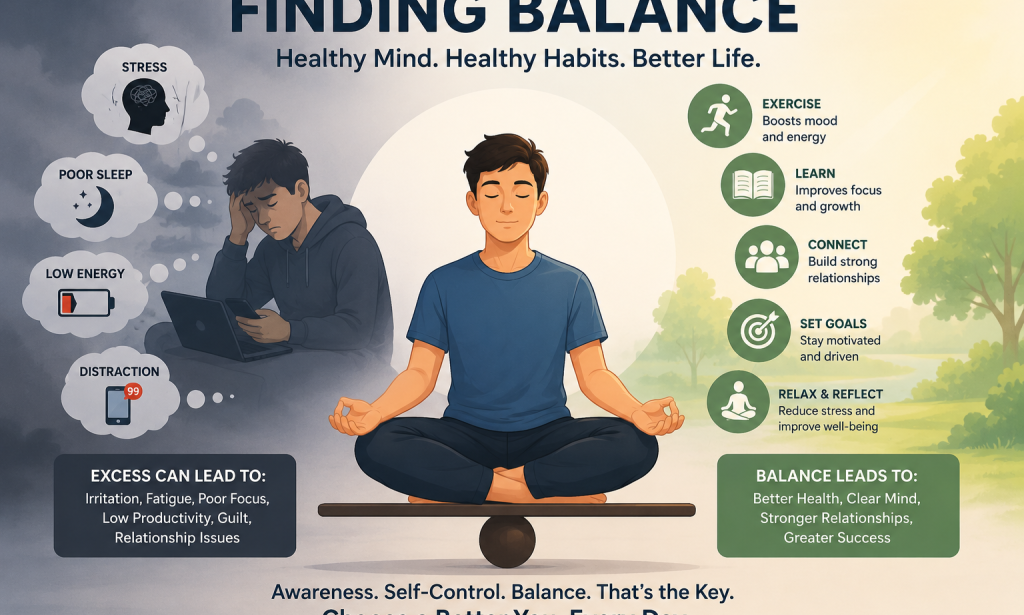
In simple terms, a behavior becomes excessive when it starts controlling you rather than you controlling it.
Potential Physical Drawbacks
Many myths claim that masturbation causes blindness, infertility, weakness, or permanent physical damage. These claims are not supported by scientific evidence.
However, excessive masturbation may contribute to certain physical concerns, including:
Physical Irritation
Frequent or aggressive stimulation can cause:
Skin irritation
Temporary soreness
Sensitivity or discomfort
Minor swelling in some cases
These issues are usually temporary and improve with rest.
Sleep Disruption
Some individuals report staying awake late at night engaging in sexual activities, leading to:
Reduced sleep quality
Daytime fatigue
Difficulty concentrating
When a habit consistently interferes with healthy sleep patterns, it can affect overall well-being.
Reduced Energy for Daily Activities
Although masturbation itself does not permanently drain energy, spending excessive amounts of time on the activity may reduce time available for exercise, hobbies, work, study, or meaningful social interaction.
Mental and Emotional Effects
Another common question is, "Can excessive masturbation affect mental health?"
The answer depends largely on the individual's relationship with the behavior.
Difficulty Concentrating
When sexual thoughts become frequent distractions, productivity may suffer. Some people find themselves repeatedly interrupting tasks to seek temporary pleasure rather than completing important responsibilities.
Feelings of Guilt or Shame
Depending on personal beliefs, cultural values, or religious convictions, some individuals may experience guilt after masturbation. Persistent guilt can create emotional stress and lower self-esteem.
Escapism and Emotional Avoidance
For some people, masturbation can become a coping mechanism for:
Stress
Loneliness
Anxiety
Boredom
Emotional discomfort
While temporary relief may occur, relying on any single behavior to avoid life's challenges can prevent healthy emotional growth.
Impact on Relationships
Many people wonder whether excessive masturbation can affect relationships.
In some situations, it can.
Reduced Interest in Real-Life Connection
If a person becomes heavily focused on solitary sexual gratification, they may invest less effort in building emotional intimacy, communication, and healthy relationships.
Unrealistic Expectations
When masturbation is consistently linked with unrealistic fantasies or excessive consumption of sexual content, expectations about real-life relationships may become distorted.
Healthy relationships thrive on communication, respect, trust, and emotional connection—not simply physical attraction.
Signs That It May Be Time to Reevaluate the Habit
Ask yourself these questions:
Am I neglecting important responsibilities?
Am I withdrawing from family and friends?
Am I losing sleep because of this habit?
Have I repeatedly tried to cut back but failed?
Do I use masturbation as my primary response to stress or boredom?
If several of these questions receive a "yes," it may be worth taking a closer look at your habits.
Practical Strategies for Maintaining Balance
The goal is not necessarily complete avoidance. The goal is balance.
1. Stay Busy with Meaningful Activities
An idle mind often seeks easy sources of stimulation.
Fill your day with:
Exercise
Reading
Learning new skills
Volunteering
Creative hobbies
Social activities
The more fulfilled your schedule becomes, the less likely you are to engage in habits out of boredom.
2. Identify Your Triggers
Pay attention to situations that increase temptation.
Common triggers include:
Stress
Loneliness
Excessive screen time
Certain websites
Late-night boredom
Recognizing triggers allows you to develop healthier responses.
3. Prioritize Physical Activity
Regular exercise can:
Improve mood
Reduce stress
Increase self-discipline
Boost confidence
Even a daily walk can make a significant difference.
4. Improve Your Sleep Routine
Many people struggle most when they stay awake late at night.
Try:
Setting a consistent bedtime
Avoiding screens before sleep
Keeping electronic devices away from the bed
Better sleep often reduces impulsive behaviors.
5. Strengthen Social Connections
Healthy friendships and family relationships provide emotional fulfillment that no solitary habit can replace.
Spend time with people who encourage positive growth and healthy lifestyles.
6. Set Personal Goals
People who are actively pursuing meaningful goals often find it easier to maintain balance.
Focus on:
Education
Career development
Fitness
Spiritual growth
Community involvement
Purpose creates direction.
A Balanced Perspective
The conversation surrounding masturbation often swings between two extremes: complete acceptance without limits or complete condemnation without understanding.
Reality is usually more balanced.
Masturbation itself is not necessarily the problem. The concern arises when any habit becomes excessive enough to interfere with health, productivity, relationships, or personal development.
The healthiest approach is self-awareness. Evaluate how the behavior affects your life, maintain moderation, and focus on building a well-rounded lifestyle that includes meaningful relationships, personal goals, physical health, and emotional well-being.
CONCLUSION
The question is not simply whether masturbation is good or bad. A more useful question is whether it contributes positively to your life or whether it has begun to take more than it gives.
Balance is the key. By understanding your habits, recognizing warning signs, and investing in healthy activities and relationships, you can maintain control, protect your well-being, and continue moving toward your personal goals with confidence.
A healthy life is rarely built on extremes. It is built on moderation, self-discipline, and thoughtful choices made every day.

You must be logged in to post a comment.