
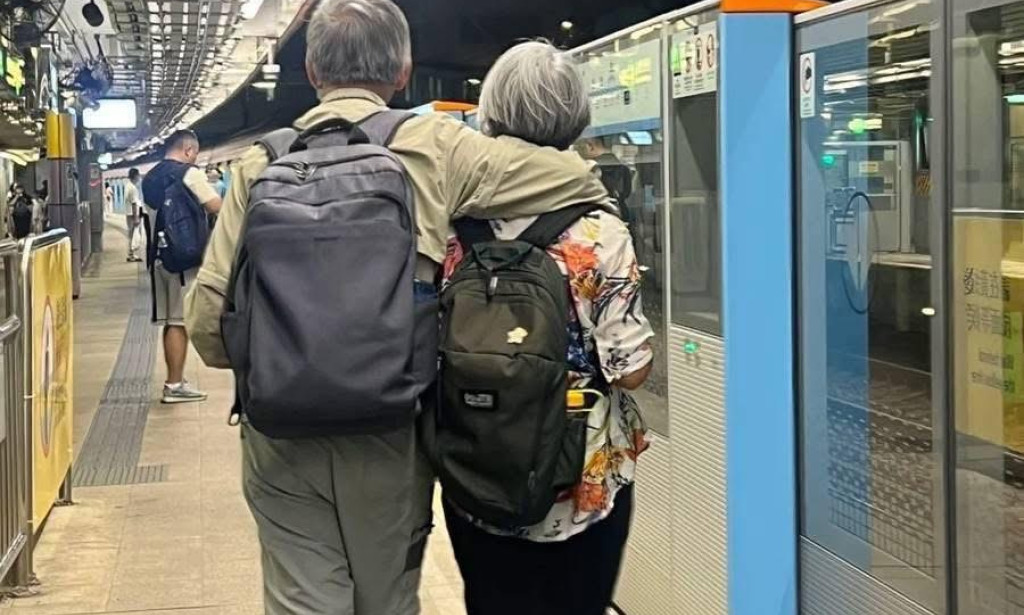
do not just keep saving money without spending money
-----
Have you noticed that many people born in the 1960s and 70s have hundreds of thousands or even millions of Hong Kong dollars in the bank, and they're not without plans for retirement, but they just can't bear to spend it?
Forget about enjoying life; they might not even buy a cup of milk tea or a cold drink.
Their constant refrain is always, "Be frugal," "Save it for later," and "I'll need it someday."
Many younger generations look down on this.
They think this generation is incredibly stingy; they have money, yet they live such a frugal life.
They always say they should treat themselves better, but after hearing that, they turn around and continue as before, unwilling to eat, unwilling to buy, unwilling to enjoy life.
But honestly, if you think about the era they lived through, you'll realize this kind of character isn't innate; it's something the times forced upon them.
That era taught them how to endure; this age reminds them their bodies are no longer what they used to be.
They truly suffered when they were young.
They had little clothing and food, wearing patched shirts and pants—it was commonplace.
If a shirt had a tear in the shoulder, they'd mend it; if the knee wore out, they'd mend it again; patch upon patch, no one found it strange.
If a pair of sandals wore out, they wouldn't throw them away immediately; they'd try to fix them and keep wearing them.
In that era, there weren't so many snacks, drinks, and small joys.
A few melon seeds to eat are enough to make them happy; a few cents or dollars in their bag are enough to keep them calm.
Therefore, their savings today were never acquired overnight.
It wasn't windfall, it wasn't good luck.
It was earned penny by penny, meal by meal, day by day.
They worked hard, saving a little each month, accumulating a little each year; with both husband and wife working together, they managed to save a little more each year.
That's how, ten, twenty, thirty years, slowly building up, slowly saving, until they had what others see as a "seemingly large" sum of money.
But the biggest problem is that outsiders only see their "wealth," they don't see why they are so afraid of "not having money."
Because they've truly witnessed it.
They've seen families crumble when a peer falls ill; they've seen children unable to afford medical bills when parents are in trouble; they've seen those who claim to be doing well suddenly find their homes crushed by reality after an accident.
The concept of "unexpected needs" isn't just a formality for them.
It's not something that "might happen someday," but something that "could come at any time."
As people age, illnesses increase; when family members are in trouble, expenses pile up.
When you actually have to ask for a loan, you'll know how embarrassing it is.
If you lack the ability and connections, even banks might not lend a hand.
So they hold onto their money not out of greed, but out of fear.
Having money on hand brings peace of mind.
For many people born in the 1960s and 70s, that sum in their bank account isn't just a number; it's a source of confidence, a last safety net in their later years.
It's not that they haven't considered spending money, or even indulging in a little luxury.
The problem is, often, by the time they finally have the means, their health isn't up to it.
Want to eat something nice? Afraid of the "heatiness" (a concept in Traditional Chinese Medicine).
Want a cup of milk tea or a cold drink? Their stomach might be upset all day.
Before, when they had no money, they didn't dare even think about it; now that they have a little money, their bodies start to rebel.
This helplessness can't be understood by the younger generation's casual remark, "I've already spent it."
So now, you see them, clearly with savings, clearly with some plans for retirement, yet still living very restrained lives.
It's not that they don't know how to enjoy life.
It's that they know that at this age, the most important thing isn't what to eat, drink, or buy, but staying healthy, avoiding accidents, and ensuring their bodies can handle it.
Living a few more years and suffering a few less years is already a bonus.
To protect their health, they actively refuse many unreasonable, unhealthy, and unworthy expenditures.
Even when relatives or friends invite them to dinner, takeout, or street food, they might not want to go.
It's not that they're pretending to be high-minded; they genuinely feel that such "cheap" things aren't worth the strain on their bodies.
In the end, it's not that they have money but pretend they don't.
It's that they live their entire lives in the shadow of "not having enough money." When they finally reach the age where they can afford anything, their bodies constantly remind them: some things, just because you can afford them doesn't mean you can endure them.
Those born in the 60s and 70s truly had it tough.
They endured the hardest times, coinciding with rapid societal development, and indeed achieved some success through their own hard work.
But they didn't even get to truly enjoy it for many years before they grew old.
A lifetime of frugality, a lifetime of hard work, a lifetime of planning for the future.
In the end, even treating themselves well became a luxury.
So, if you are their child, don't look down on them.
And especially don't constantly encourage them to "spend money as you please," saying it lightly while sounding like you completely misunderstand how they got to where they are today.
You haven't experienced their poverty, haven't felt their fear, haven't felt the pressure of having to shoulder everything alone. You won't understand why they're still like this today.
Having parents like this is truly a blessing.
Because their frugality isn't just about money; it's about having the last bit of security, the last resort in case their children are in trouble.
So, stop laughing at their thriftiness.
Be more understanding.
And say to them again: "Mom and Dad, thank you for everything."


You must be logged in to post a comment.