
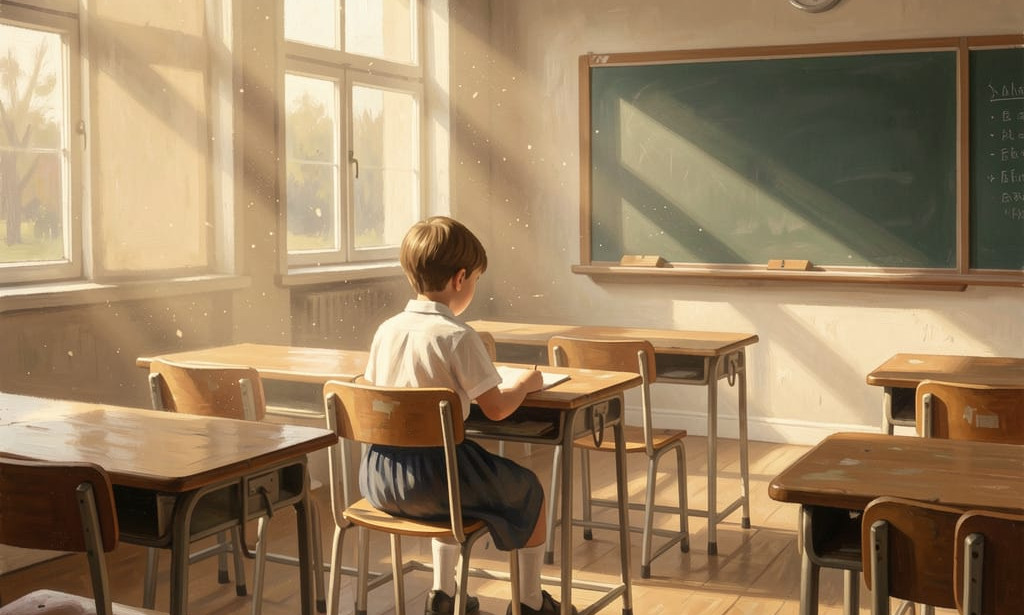
My neighbour's daughter started coming home from school quieter than usual about two months ago. At first her mother thought she was just tired. Children get tired. School is demanding. It happens.
Then the excuses started. Stomach ache on Monday morning. Headache on Tuesday. A sudden interest in staying home that had never existed before. By the time her mother sat her down and asked the right question, the little girl broke down completely.
She had been bullied for six weeks. And for six weeks she said nothing because she was ashamed, she was afraid, and she did not believe that telling anyone would make it stop.
This story is not unusual. It is happening in schools across Nigeria right now quietly, behind classroom doors and in school corridors, while parents go about their day completely unaware. Bullying does not always leave visible marks. Most of the time it leaves invisible ones that parents miss simply because they do not know what to look for.
Here are five signs that your child may be experiencing bullying at school.
1. They Suddenly Do Not Want to Go to School
This is usually the first sign and the one most parents dismiss too quickly. A child who previously had no strong feelings about school and who suddenly develops a pattern of not wanting to go with new physical complaints that conveniently appear every morning is almost certainly dealing with something they have not found the words to tell you yet.
The stomach aches are real. The headaches are real. When a child is anxious and dreading the day ahead, their body responds physically. But the source of that anxiety is usually social, not physical. Before you take them to the doctor, sit down and ask them gently about their day. Ask about their friends. Ask about anyone who bothers them. Listen more than you speak.
2. They Come Home With Missing or Damaged Things
Bullying in Nigerian schools frequently involves the taking or deliberate damaging of a child's belongings. Lunch money that disappears too regularly. A school bag that keeps getting torn. A water bottle that is always missing. Stationery that somehow never lasts.
When you ask your child about it, they give vague answers or change the subject. They say they lost it or that they do not know what happened. Children who are being bullied often hide the evidence because they are afraid of what will happen if they tell afraid the bully will make things worse, afraid of being called a snitch, afraid you will not believe them.
If your child's belongings are disappearing or getting damaged with unusual regularity, do not let it pass as carelessness. Ask more questions.
3. Their Mood and Behaviour Have Changed
A child who used to be happy and talkative who has become withdrawn, irritable, and moody without any obvious explanation is carrying something heavy. Bullying affects a child's mood profoundly because it attacks the very things children need most: safety, belonging, and the sense that they are valued by their peers.
Watch for changes in eating habits. Watch for sleep problems nightmares, difficulty sleeping, or sleeping too much. Watch for a child who seems anxious and jumpy in ways they were not before. Watch for a child who cries easily over small things or who seems to carry a sadness they cannot explain.
These changes do not happen in healthy, happy children without a reason.
4. They Have Stopped Talking About Friends
Children who are not being bullied talk about their friends constantly. They mention names, tell stories, relay conversations. Their social world is alive and active and it spills into everything they say at home.
A child who has gone quiet about their social life who never mentions a friend's name anymore, who is never invited anywhere, who seems to have no social connections they speak about with any joy is a child who may have been isolated by bullying. Social exclusion is one of the most common and most painful forms of bullying, particularly among girls. It does not involve physical contact. It involves being deliberately left out, ignored, and made to feel invisible.
5. They Become Upset After Using Their Phone
This sign is increasingly relevant for older children and teenagers. If your child checks their phone and immediately becomes visibly distressed if they seem anxious after reading messages, if they hide their screen from you, if they become withdrawn and upset after spending time online cyberbullying may be the issue.
Bullying has moved from school corridors onto screens, and for many children today it follows them home. The cruelty does not stop when the school bell rings. It continues through messages, group chats, and social media posts that target, exclude, or humiliate.
What to Do If You Notice These Signs
Do not confront the school in anger before you have the full picture. Start by creating a safe space for your child to talk. Choose a calm, private moment. Ask open questions. Avoid making them feel like they did something wrong by not telling you sooner. Once you have their account, document everything they tell you. Then approach the school calmly, with specific information, and request a clear response and action plan.
Your child needs to know that you believe them, that you are on their side, and that telling you was the right thing to do.
Because the moment a bullied child believes that speaking up is safe that is the moment things begin to change.


You must be logged in to post a comment.