

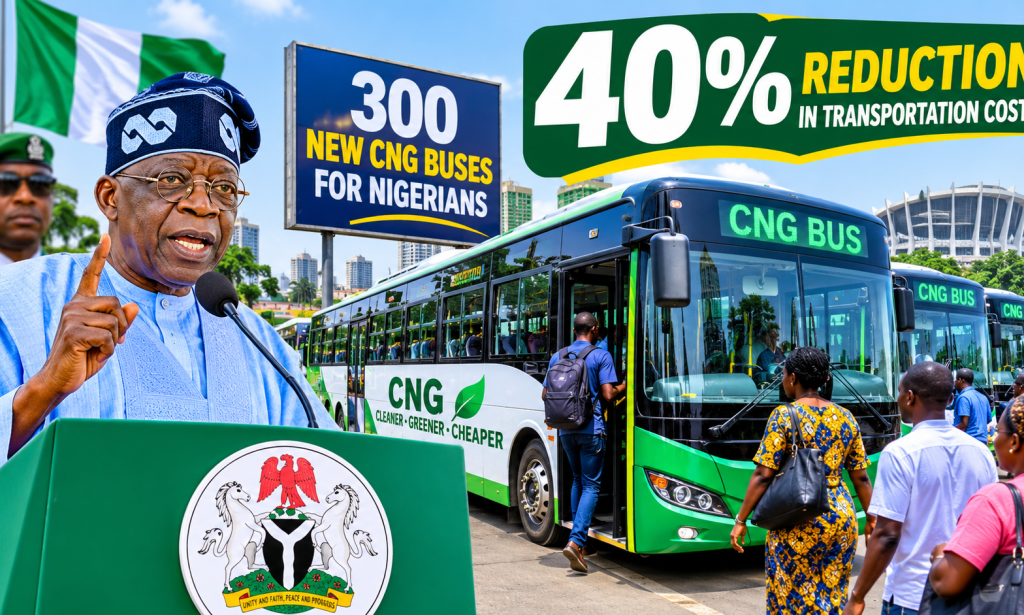
Nigeria Plans 40% Reduction in Transportation Costs With New CNG Buses
Transportation is an important part of everyday life in Nigeria. Millions of Nigerians depend on commercial buses to travel to work, attend school, visit markets and carry out their daily activities. However, the increasing cost of transportation has made life more difficult for many families.
In a move aimed at providing relief, the Federal Government has announced plans to reduce public transportation fares by approximately 40 per cent on participating routes across the country.
The initiative is part of the government's effort to make transportation more affordable and improve the movement of people and goods.
Introduction of 300 New CNG Buses
As part of the programme, the government plans to introduce 300 Compressed Natural Gas (CNG)-powered buses through a partnership with Chinese bus manufacturer Yutong.
The buses are expected to help reduce the cost of operating public transportation. The first 100 buses are expected to arrive in Lagos by the end of December 2026, while the remaining buses will be assembled locally in Ibadan, Oyo State.
This development could also support local manufacturing and create employment opportunities for Nigerians.
How Will This Help Ordinary Nigerians?
The proposed reduction in transportation fares could benefit different groups of people, including workers, students, traders and small business owners.
Many Nigerians spend a large part of their daily income on transportation. When transport fares increase, it becomes more difficult for people to save money and meet other important needs.
If the programme is successfully implemented, passengers using participating routes could spend less money travelling.
For traders and business owners, affordable transportation could also make it easier to move goods from one location to another.
Why Is Nigeria Introducing CNG Buses?
Compressed Natural Gas is an alternative fuel used to power vehicles. It can offer lower operating costs compared with petrol or diesel in suitable vehicles and operating conditions.
By introducing more CNG-powered buses, the government hopes to encourage the use of alternative energy in the transportation sector.
However, adequate refuelling stations and proper maintenance will be important to ensure that the buses operate successfully.
What Should Nigerians Expect?
Although the government has announced a target of reducing transportation costs by approximately 40 per cent, the reduction is expected on participating routes.
Nigerians will be watching to see how quickly the buses are introduced, which routes will benefit and whether passengers will experience the promised savings.
The success of the programme will depend on proper implementation, availability of buses and cooperation between transport operators and the government.
Conclusion
The plan to introduce 300 CNG-powered buses and reduce transportation fares by approximately 40 per cent could become an important development in Nigeria's transportation sector.
For millions of Nigerians who depend on public transportation every day, cheaper bus fares would provide welcome relief.
If properly implemented, the initiative could help reduce travel expenses, support businesses and make daily movement easier for people across the country.










































You must be logged in to post a comment.